Delivery Apps to Direct Orders: A 90-Day Playbook
A practical 90 day playbook for shifting orders from DoorDash, Uber Eats, and Grubhub to your own direct ordering channel, with cited commission math, weekly milestones, and honest tradeoffs.
Updated Apr 28, 2026
Third-Party Apps
Direct Orders
+$36K/year savings
Third-Party Apps
Taking your profits
Switch to direct orders and keep everything
Direct Orders
Keep 100% of profits
+$36K/year
Average savings
TLDR
Marketplace apps charge 15 to 30 percent of every order and keep the customer relationship. You cannot turn them off without warning, but you can shift the ratio. The 90 day playbook: weeks 1 to 4 build the direct ordering rail, ship bag inserts in every marketplace bag, fix Google Business so the order button goes to your site. Weeks 5 to 8 turn on a 10 to 15 percent direct discount, run an SMS reactivation to past direct customers, post QR table tents in the dining room. Weeks 9 to 12 launch a simple loyalty program, retire the bag insert offer, and audit results. Realistic outcome: a restaurant doing 80,000 dollars a month at 60 percent marketplace and 40 percent direct keeps roughly 65,520 dollars after fees today, and around 75,520 dollars at the inverse ratio, a 10,000 dollar a month gross margin swing on the same gross sales.
Most independent restaurants earn between 55 and 70 percent of their off premise volume on DoorDash, Uber Eats, and Grubhub. The marketplaces charge 15 to 30 percent of every order and keep the customer relationship. You cannot turn them off on day one, but you can shift the ratio. This is the 90 day playbook for moving from marketplace dependency to a direct first channel mix.
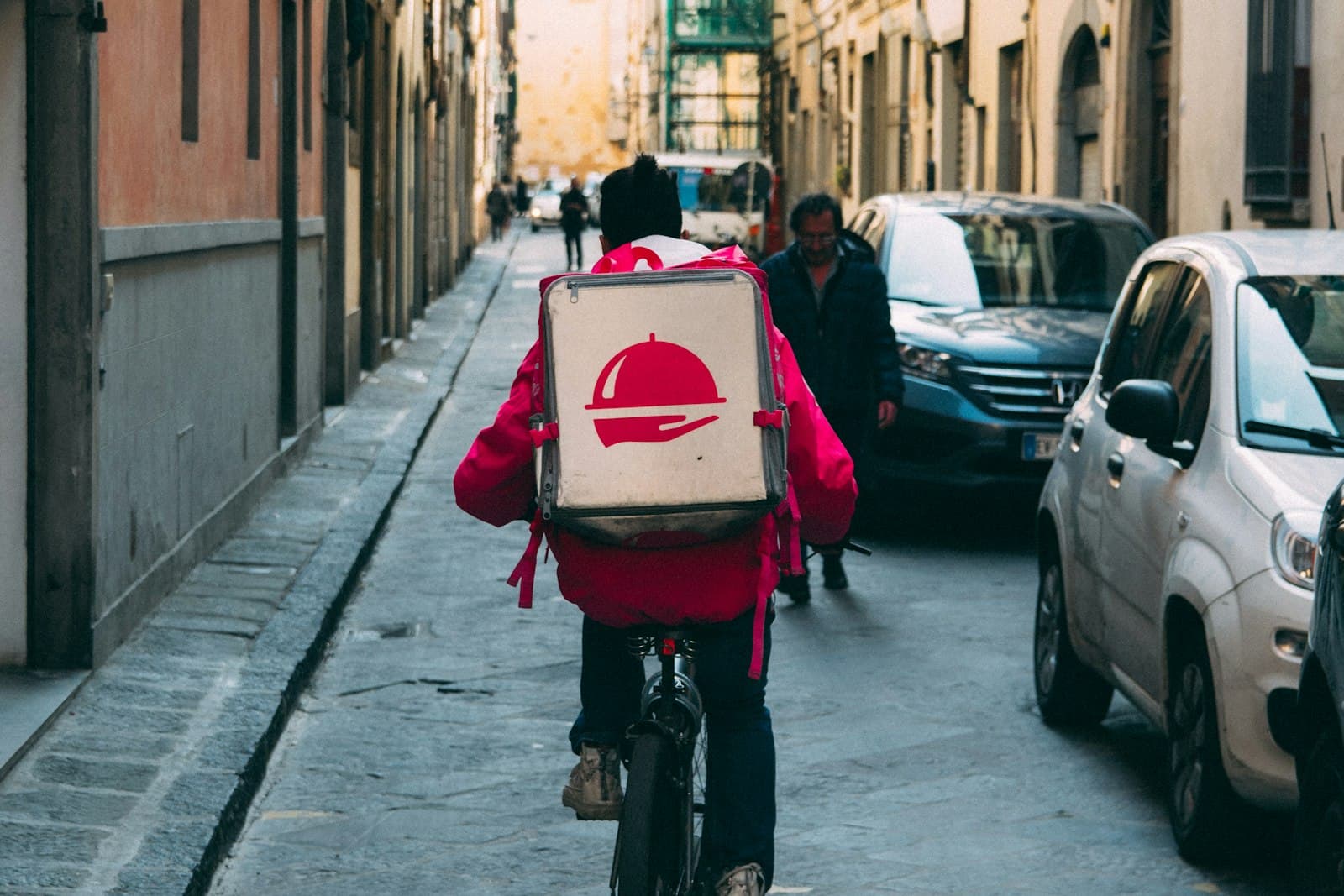
The Marketplace Cost Reality
The three large food delivery marketplaces all publish nearly identical commission structures, with higher tiers buying more in app visibility.
| Marketplace | Lowest tier | Mid tier | Top tier | Source |
|---|---|---|---|---|
| DoorDash Marketplace | Basic 15 percent | Plus 25 percent | Premier 30 percent | [merchants.doordash.com](https://merchants.doordash.com/en-us/learning-center) |
| Uber Eats Marketplace | Lite 15 percent | Plus 25 percent | Premium 30 percent | [merchants.ubereats.com](https://merchants.ubereats.com/us/en/) |
| Grubhub | varies, roughly 15 to 30 percent | varies | varies | [get.grubhub.com](https://get.grubhub.com) |
The 15 percent tier always carries an asterisk: less in app exposure, smaller delivery radius, no preferred placement. Operators we have talked to running a 15 percent tier on Uber Eats or DoorDash see meaningfully lower volume, often 30 to 50 percent below higher tiers. Most restaurants therefore default to 25 or 30 percent and absorb the cost as customer acquisition.
Two structural facts matter beyond the percentage:
1. The customer is theirs, not yours. Marketplaces share the order, item, address, and tip. They redact phone and email by default. You cannot text a DoorDash customer to ask them to order direct next time.
2. The customer experience belongs to them. A driver arrives 40 minutes late with cold food, the diner blames the restaurant on Yelp. You absorb the brand damage even though the marketplace owned the fulfillment.
Neither is a flaw in the model. They are the model. Marketplaces are paid acquisition channels with an expensive lifetime cost. The strategy is to use them deliberately for acquisition, then convert as many of those customers as possible into direct repeat purchasers.
What Direct Ordering Actually Gives You
When an order moves from marketplace to direct, four things change:
- Commission drops from 15 to 30 percent to 0 to 3 percent. The residual covers payment processing (typically 2.9 percent and 30 cents on Stripe) plus your platform's flat monthly fee amortized across orders.
- You collect first party customer data. Phone, email, items, frequency, and lifetime value. That is the input to SMS reactivation, email marketing, and loyalty programs.
- You control the customer experience. Your menu hierarchy, photos, upsell logic, refund decisions, and tipping prompts.
- Payouts move from weekly to faster cycles. See our piece on same day payouts and restaurant cash flow.
The honest tradeoff: direct ordering puts the marketing burden on you. Marketplaces show your menu to a hungry user typing "tacos near me" with zero work from you. Direct ordering only converts people who already know your name. The 90 day playbook below is a structured way to do that pulling.
The 90 Day Playbook in One View
| Phase | Weeks | Focus | Primary tactic | KPI to watch |
|---|---|---|---|---|
| Foundation | 1 to 4 | Build the rail | Direct site live, bag inserts in every marketplace bag, Google Business order link points to your site | Direct order share baseline |
| Acceleration | 5 to 8 | Convert known customers | 10 to 15 percent direct discount, SMS reactivation, QR table tents | Insert redemption rate, SMS opt in count |
| Optimization | 9 to 12 | Make repeat the default | Loyalty program launch, retire bag insert offer, audit results | Repeat purchase rate, direct mix percentage |
The order matters. You cannot run a discount campaign before the site exists, and you cannot launch loyalty before you have a direct customer base.
Weeks 1 to 4: Foundation
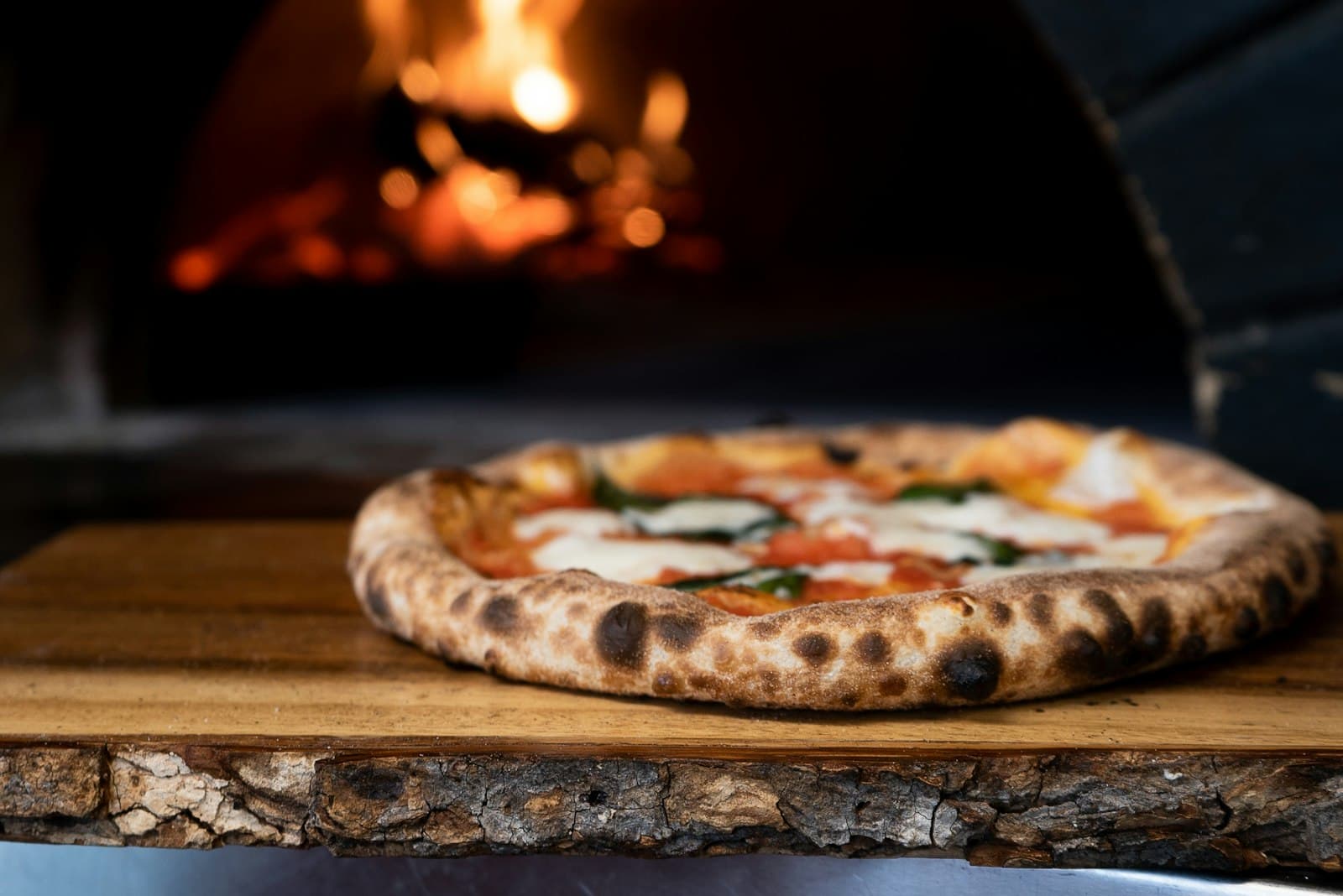
Week 1: Direct ordering rail live
Pick a platform, point your domain at it, and process at least one test order on each device class (desktop, iOS Safari, Android Chrome). Walk in with the direct ordering launch checklist.
Minimum viable rail: mobile responsive ordering page with full menu and modifiers, Stripe or equivalent processor connected, order routing to the kitchen, email and phone capture on every order, and a confirmation email or SMS with a return link.
The "better" rail adds Google Business integration, AI phone ordering for missed calls, same day payouts, and SMS marketing. See our piece on how to evaluate restaurant online ordering platforms.
Week 2: Bag inserts in every marketplace bag
This is the highest ROI tactic in the playbook. Every marketplace order leaves your kitchen in a bag. That bag is a direct mail vehicle paid for by the customer's commission.
Print a 4 by 6 inch card on cardstock at a local printer for 4 to 8 cents in bulk. Content:
Order direct, save 15 percent.
Same food, same prep, fewer fees.
Scan the code or visit yourrestaurant.com
Use code DIRECT15 at checkout
[QR code that links to your direct ordering page]
The QR code matters. Most diners will not type a URL but will scan with the camera. Track the discount code's redemption rate weekly to attribute revenue back to the insert. Operators we have spoken to report a 10 to 25 percent first conversion rate over 90 days, treated as illustrative until you measure your own.
Week 3: Google Business profile points to your site
When a diner searches "your restaurant name" or "italian near me" on Google, the right hand panel shows an "Order Online" button. By default it often points to a marketplace, which means Google is selling your direct intent traffic to DoorDash for free.
Steps:
1. Sign into your Google Business profile
2. Open "Menu and ordering"
3. Replace any DoorDash, Uber Eats, or Grubhub links with your direct URL
4. Set your direct site as the preferred provider
5. Add your direct site as the primary website link
Marketplaces sometimes auto enroll their links into your profile after you sign up, so revisit this setting if you toggle marketplaces back on. For a structured walkthrough, see the restaurant SEO guide.
Week 4: Receipt opt in and baseline metrics
Add SMS opt in to every direct receipt: "Get first dibs on weekly specials. Text DINE to..." This starts an SMS list that compounds through the next 60 days.
Document four baseline numbers before phase 2: current direct order percentage, bag insert redemption volume, SMS opt in count, and Google Business order link clicks. The acceleration phase will only show progress if you measured the start.
Weeks 5 to 8: Acceleration
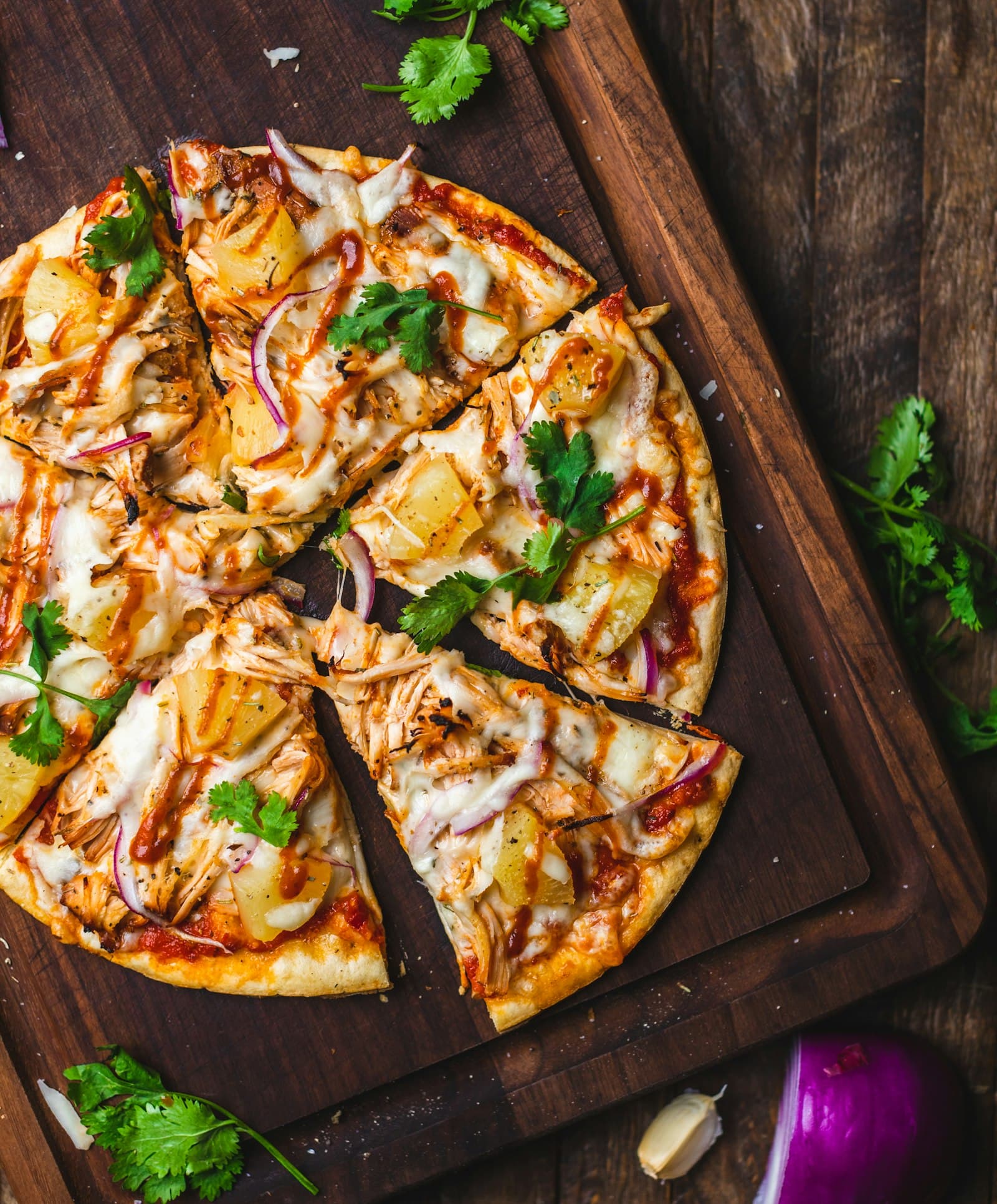
Weeks 5 and 6: Direct discount, SMS reactivation, QR table tents
Three campaigns running in parallel.
Direct discount. Run a 10 to 15 percent off code on direct ordering for 30 days. Promote it on bag inserts, receipts, social, and the homepage. Most marketplace contracts have parity language prohibiting a lower listed price, but coupon code discounts are typically permitted because menu prices stay identical. Have your operating attorney read your specific agreement before promoting publicly.
The math, on an 80,000 dollar a month restaurant at 60 percent marketplace and 40 percent direct: marketplace 48,000 dollars at 27 percent leaves 35,040 dollars; direct 32,000 dollars at 3 percent processing leaves about 31,040 dollars; total kept about 65,520 dollars.
Inverse mix at 60 percent direct with a 12 percent discount: marketplace 32,000 dollars at 27 percent leaves 23,360 dollars; direct 48,000 dollars at 12 percent discount and 3 percent processing leaves about 41,160 dollars; total kept about 64,520 dollars. Roughly the same income immediately, but with customer ownership and the ability to retire the discount once habits form. Removing the 12 percent discount lifts kept revenue to about 75,520 dollars, a 10,000 dollar a month margin swing. Run the commission calculator and the DoorDash fee calculator on your actual mix.
SMS reactivation. Push a single short SMS to every direct customer who has not ordered in 30 to 60 days. "Hey it's [Restaurant], we miss you. Use SAVE15 for 15 percent off direct this week. Reply STOP to opt out." TCPA requires explicit opt in, so only send to customers who texted DINE or checked the box at checkout. SMS open rates for restaurants typically run above 90 percent. See SMS marketing for restaurants.
QR table tents. Print 5 by 7 inch tents with a single QR code at every dine in table. Scanning lands the diner on your direct page with a takeout discount banner. Two reasons it works: it associates your direct domain with the in person experience, and it preempts the diner's instinct to search Google later (where a marketplace listing might capture them).
Weeks 7 and 8: Marketplace to direct redirect signals
- Branded thank you card in the bag. "We do not list our full menu on apps. See it all at yourrestaurant.com."
- Social direct only specials. Post weekend specials available only on direct.
- Phone redirect script. Train staff to mention "We have a 10 percent off code if you order direct next time" on menu calls.
- Email opt in at direct checkout. "Get a 5 dollar off coupon for your next order" builds an email list with one optional field.
By end of week 8, direct mix should have moved 8 to 15 percentage points if foundation was clean and acceleration ran on time.
Weeks 9 to 12: Optimization
Weeks 9 and 10: Loyalty program launch
The structure that works for independents: 1 point per dollar spent on direct, 100 points equals 10 dollars off, 25 point bonus for first direct order after sign up, 50 point birthday gift. Marketplaces almost never offer this, so it becomes a sticky reason to keep ordering direct. Onboarding moment: every direct receipt ends with "Sign up for points. Earn 25 free for joining."
By month 6, repeat purchase rate among direct customers typically rises 15 to 30 percent versus a non loyalty baseline. See our restaurant loyalty programs guide for design tradeoffs.
Week 11: Retire the bag insert offer, keep the bag insert
Once direct mix is at 50 to 60 percent, the discount on the bag insert has done its job. Print a new insert promoting loyalty enrollment instead: "Order direct, earn rewards on every order." This often improves direct order margin by 4 to 8 percentage points without changing volume.
Week 12: Audit and decide on month 4
Three numbers to pull at end of week 12: direct mix percentage versus week 1 baseline (target 10 to 20 points up), customer database size (target 3x to 10x growth), and net margin per order blended.
If numbers look right, repeat the playbook with new tactics: catering buildout, family meal bundles, app installation push, dine in to takeout loyalty referrals. If numbers do not move, the most common cause is the rail itself: slow load, broken mobile flow, or a confusing menu. Fix the rail before adding more tactics.
Tactic ROI Matrix
ROI is a 1 to 5 scale based on revenue lift relative to time and dollar cost. Illustrative ratings drawn from operator interviews, not measured benchmarks.
| Tactic | Time to set up | Cost to run | ROI rating | When to use |
|---|---|---|---|---|
| Bag inserts in marketplace orders | 1 day to design and print | 4 to 8 cents per insert | 5 of 5 | Week 2, run forever |
| Google Business order link fix | 1 hour | 0 dollars | 5 of 5 | Week 3, one time |
| Direct discount code on receipt | 30 minutes | 10 to 15 percent of direct revenue | 4 of 5 | Weeks 5 to 8, retire after habit forms |
| QR table tents | 2 hours | 1 dollar per tent | 4 of 5 | Week 5, replace quarterly |
| SMS reactivation campaign | 4 hours including compliance | 1 to 2 cents per text | 4 of 5 | Week 5, then monthly |
| Loyalty program | 1 to 2 weeks of setup | Platform dependent, often included | 4 of 5 | Week 9, run forever |
| Email marketing weekly cadence | 2 hours per send | 0 to 50 dollars per send | 3 of 5 | Week 4 onward |
| Phone redirect script training | 1 hour | 0 dollars | 3 of 5 | Week 7 |
| Social direct only specials | 30 minutes per post | 0 dollars | 3 of 5 | Week 6 onward |
Keep Marketplaces On at First, Because
Three reasons not to fully shut off DoorDash, Uber Eats, or Grubhub during the playbook:
1. Marketplaces are cheaper acquisition than paid social. A 25 percent commission on a 30 dollar order is 7.50 dollars of CAC. Meta and Google paid acquisition for restaurants typically runs 15 to 50 dollars on a first conversion.
2. Going dark damages dining room visibility. Diners who use DoorDash for discovery notice when you disappear. Some assume you closed.
3. Volume floor matters during slow weeks. A marketplace order at 30 percent commission still pays the line cook's hour on a slow Tuesday.
The right model: marketplaces as paid acquisition, direct as the loyalty channel. The playbook does not eliminate marketplaces; it rebalances them to roughly 30 percent of total volume.
Industry Benchmarks Worth Reading
None measure tactic level lift from a 90 day push, but all corroborate the trend toward higher off premise mix:
- Toast Restaurant Trends Report (pos.toasttab.com)
- Square Future of Restaurants Report (squareup.com)
- National Restaurant Association State of the Restaurant Industry (restaurant.org)
How to Measure the Shift
Three metrics to track weekly: channel mix percentage (direct as a percentage of total off premise), repeat purchase rate by channel (direct only, since marketplace identity is redacted), and average ticket by channel (direct often runs 5 to 15 percent higher).
Honest Tradeoffs
- Marketing burden moves to you. When marketplaces did the marketing, you did not have to think about it. Direct ordering means you are the marketing department now: email, SMS, loyalty, social.
- Discount math is a tax during transition. A 15 percent direct discount is not free. For 4 to 8 weeks operating margin compresses. Retire it once habits form.
- You will lose some marketplace customers permanently. Some will not switch. The customers who do are higher LTV and worth the cost of losing the holdouts.
Your Week 1 Checklist
- [ ] Calculate current direct versus marketplace order percentage
- [ ] Choose and activate a direct ordering platform
- [ ] Process a test order on every device class
- [ ] Design and order 1,000 bag inserts (4 by 6 inches, with QR and discount code)
- [ ] Update Google Business profile order link to your direct site
- [ ] Add SMS opt in checkbox to direct checkout
- [ ] Document baseline metrics: direct mix, SMS list, email list, GBP clicks
The Bottom Line
The marketplace economy charges 15 to 30 percent of every order and keeps the customer relationship. You cannot quit on day one without losing volume and visibility, but you can shift the ratio over 90 days. Build the rail in month 1, run conversion campaigns in month 2, harden retention in month 3. The 10,000 dollar a month margin swing on an 80,000 dollar a month restaurant is real, and it compounds month after month after the discount tax retires.
The restaurants that win in 2026 are not the ones that quit DoorDash. They are the ones that turned DoorDash into a paid acquisition channel and built a direct first relationship with the customers they acquired.
Ready to start? Book a DirectOrders demo and we will map a 90 day plan to your actual order volume. Or run your own numbers in the commission calculator.
Frequently Asked Questions
All three publish commission ranges of roughly 15 to 30 percent on marketplace delivery orders. DoorDash advertises three Marketplace tiers: Basic at 15 percent, Plus at 25 percent, and Premier at 30 percent (https://merchants.doordash.com/en-us/learning-center). Uber Eats publishes a similar three tier structure of 15 percent, 25 percent, and 30 percent (https://merchants.ubereats.com/us/en/). Grubhub commissions vary by plan and city but sit in the same 15 to 30 percent band on its merchant marketing page (https://get.grubhub.com). The lower tier always means less marketing exposure, so most restaurants land in the 25 to 30 percent range in practice.
Related resources
Related Articles
Repeat orders
100% kept
Restaurant Marketing Automation: 5 Flows That Pay
Five trigger-based flows set once that drive repeat direct orders on autopilot: welcome, winback, birthday, abandoned cart, and review requests.
Pankaj Avhad
How to Take Online Orders for Your Restaurant (2026 Guide)
The complete guide to restaurant online ordering: 5 methods compared, real costs, step-by-step setup, and how to keep 100% of your revenue instead of paying 15-30% to delivery apps.
Pankaj Avhad
15% OFF
How to Get More Direct Orders and Stop Losing Money to Third-Party Apps
A step-by-step playbook for restaurant owners to migrate customers from DoorDash, Uber Eats, and Grubhub to their own branded ordering site and keep them coming back.
Pankaj Avhad