How to Optimize Your Restaurant Delivery Times
Under 30 minutes is the gold standard. Here is how to hit it consistently -from prep to packaging to dispatch to the customer's door.
Updated Jul 11, 2026
TLDR
Under 30 minutes from order to door is the gold standard that maximizes repeat rates and customer satisfaction. Kitchen prep is the biggest bottleneck, not driver transit. Pre-prepping high-volume components during slow hours, creating dedicated delivery prep stations, and batching similar orders during peak times can cut prep time by 30-40%. Most independent restaurants should limit their delivery radius to 3-4 miles to maintain consistent quality.
The 30-Minute Standard
Customers have been trained to expect fast delivery. Every minute beyond their expectation erodes satisfaction, reduces the chance of a repeat order, and increases the chance of a complaint or bad review.
Here are the benchmarks that matter:
- Under 30 minutes: Excellent. Customers are impressed. Food arrives hot. Repeat rate is highest.
- 30-45 minutes: Acceptable. Meets expectations but does not exceed them. No complaints, but no "wow" factor.
- 45-60 minutes: Risky. Customers start checking their phone, wondering where the order is. Food quality degrades. Complaint probability increases.
- Over 60 minutes: Damaging. Customer is frustrated before the food arrives. Negative review is likely. Repeat order is unlikely.
Your goal is to consistently deliver under 30 minutes within your delivery zone. Here is how to get there.
Prep Time Optimization
Prep time is where most delivery delays originate. The kitchen is the bottleneck, not the driver.
Pre-Prep During Slow Hours
Identify your top 10 delivery items. What components can be pre-prepared? Sauces portioned, vegetables chopped, proteins marinated, bases assembled. Every minute of prep done before the rush is a minute saved when orders flood in.
A pizza shop that pre-portions toppings and pre-stretches dough during the 2-4 PM lull can assemble and fire a pizza in 4 minutes during the dinner rush instead of 10.
Dedicated Delivery Prep Stations
If your kitchen is handling dine-in and delivery from the same stations, delivery orders compete with table orders. During peak hours, this creates a bottleneck that delays everything.
Even in a small kitchen, designating one area as the delivery assembly station -where orders are plated, checked, and packaged -speeds up the handoff to drivers. It does not need to be elaborate. A dedicated counter and a ticket rail are enough.
Batch Delivery Orders
During peak times, batch similar orders together. Three orders that all need grilled chicken can be prepped simultaneously rather than sequentially. This is how high-volume restaurants hit consistent times even when orders spike.
Your ordering system should display delivery orders grouped by estimated completion time, making batching intuitive for your kitchen team.
Packaging That Keeps Food Hot (and Intact)
The best prep time in the world means nothing if the food arrives cold or mangled.
Insulated containers are non-negotiable for hot items. The cost difference between cheap Styrofoam and quality insulated packaging is $0.15-0.30 per order. That investment pays back in fewer refunds and better reviews.
Vent holes in hot food containers prevent steam from making items soggy. Fries, fried chicken, and anything crispy need ventilation. Sealed containers trap moisture and ruin texture in transit.
Separate compartments for hot and cold items. A salad next to a hot entree in the same bag results in a wilted salad and a lukewarm entree. Use separate bags or insulated dividers.
Tamper-evident seals give customers confidence that their order was not opened during delivery. Stickers, sealed bags, or stapled closures all work. This is a trust signal that costs pennies.
Flat-bottom bags prevent spills and tipping. Round containers in a flat bag shift during transport. Pack orders so they sit stable and upright.
Driver Dispatch Timing
The second biggest source of delay (after kitchen prep) is the gap between food being ready and a driver picking it up.
Dispatch on Kitchen Entry, Not Completion
If you wait until food is ready to call a driver, you add the driver's travel time to your delivery window. If the driver is 12 minutes away, that is 12 minutes of food sitting on a counter.
Instead, dispatch the driver when the order enters the kitchen. The driver arrives as the food finishes. This overlap is where you recover 10-15 minutes.
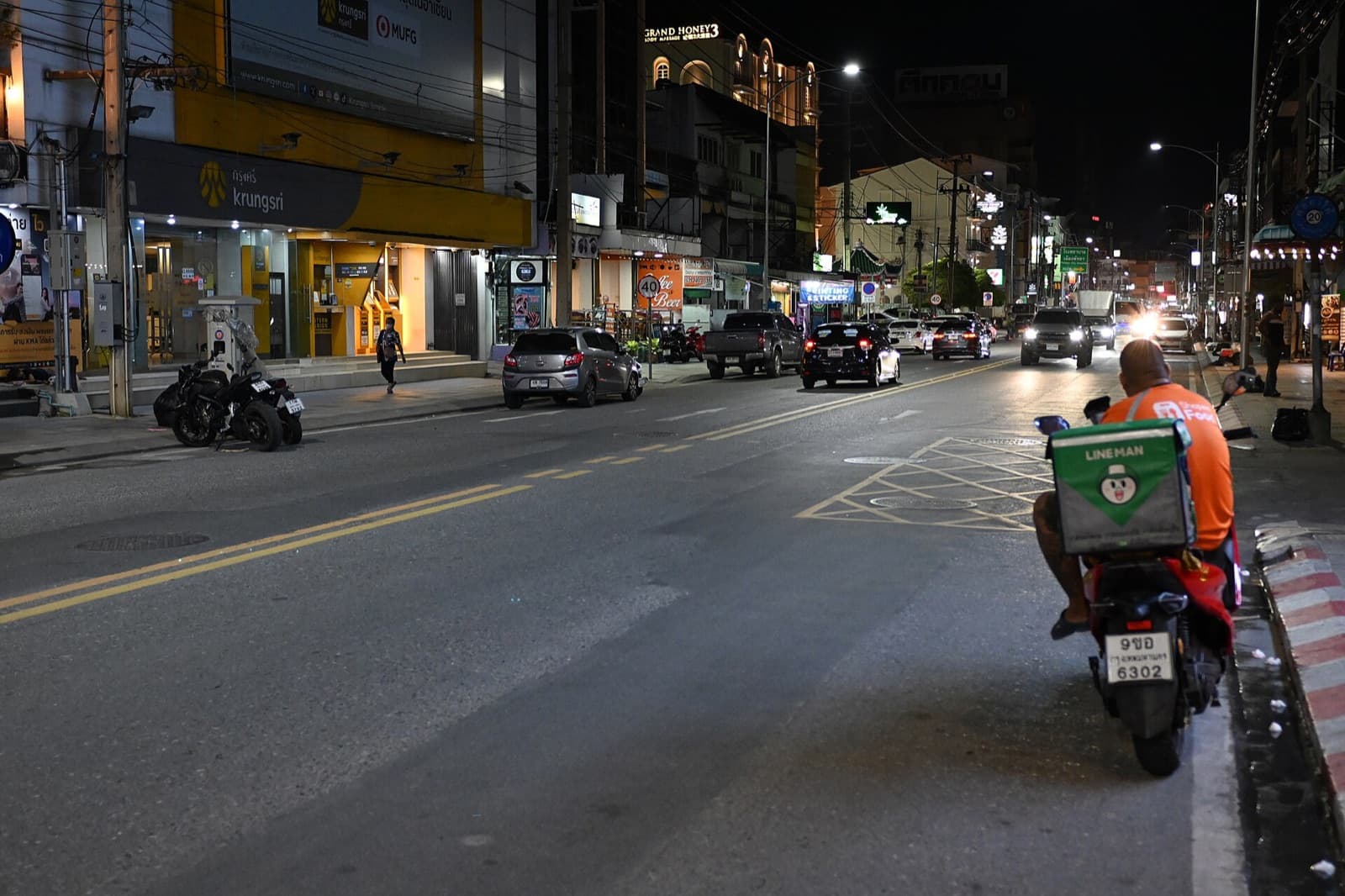
DirectOrders delivery management supports automatic dispatch timing that triggers based on estimated prep time, so drivers arrive when the food is ready.
Driver Staging
During peak hours, have drivers wait near your restaurant rather than dispatching from wherever they are. If you use your own drivers, set a staging location. If you use third-party drivers, learn when demand peaks and pre-request drivers for those windows.
Zone-Based Delivery Radius
A common mistake: setting a wide delivery radius to maximize potential customers. The result is delivery times over 45 minutes for far-flung orders, cold food, and unhappy customers.
Start tight. A 3-mile radius is a good starting point for most restaurants. At average traffic speeds, a 3-mile delivery takes 8-12 minutes of drive time. Add 15-18 minutes of prep and you are under 30 minutes total.
Expand gradually. Once you are consistently hitting under 30 minutes within 3 miles, expand to 4 miles. Monitor delivery times at the new boundary. If they creep above 35 minutes, shrink back.
Use zones, not circles. Traffic patterns matter more than straight-line distance. A location 2 miles away across a highway interchange might take longer than one 4 miles away on a clear road. Set your zones based on actual drive times, not just distance.
Consider dynamic zones. Some restaurants shrink their delivery radius during peak hours to maintain quality. A 4-mile zone during the slow afternoon becomes a 2.5-mile zone during the Friday dinner rush. Customers in the outer zone see a message like "Delivery available after 8 PM" rather than getting a 55-minute estimate.
Handling Peak Hours
Peak hours are where delivery times break down. Volume spikes, kitchen gets behind, drivers stack up, and every order runs late.
Extend Quoted Times Honestly
It is better to quote 40 minutes and deliver in 35 than to quote 25 and deliver in 40. Customers handle longer quoted times well. They do not handle broken promises.
During peak periods, add 10-15 minutes to your standard quote. Customers who accept a 40-minute estimate and get their food in 35 are pleasantly surprised. Customers who accept a 25-minute estimate and wait 40 are furious.
Throttle Order Volume
If your kitchen can handle 15 delivery orders per hour at quality, do not accept 25. Use your ordering platform to set maximum order capacity per time slot. When a slot fills up, the next available time shifts forward.
This feels counterintuitive -you are turning away orders. But the orders you do fulfill arrive on time, hot, and correct. Those customers come back. The ones who got cold food 50 minutes late do not.
Stagger Prep
Not every order has to start immediately. If you receive 8 orders in a 5-minute window, stagger them based on prep time and driver availability. Start the shortest-prep orders first so drivers can leave sooner, then move to longer-prep items.
Customer Communication During Delays
Despite your best efforts, delays will happen. Kitchen equipment breaks. Drivers get stuck in traffic. An unexpected rush overwhelms capacity.
How you communicate during a delay determines whether the customer orders again.
Proactive notification beats reactive response. Do not wait for the customer to contact you. Send a message as soon as you know the order will be late: "Your order is running about 10 minutes behind our estimate. We apologize and appreciate your patience."
Offer something. A small gesture turns a frustration into a positive memory. "Your next delivery is on us" or "We added a free dessert to your order for the wait." The cost is $3-5. The value in retention is hundreds of dollars.
Update in real time. If your platform supports order tracking, make sure it reflects reality. A tracking screen that says "out for delivery" while the food is still being prepared destroys trust.
For more on solving delivery problems from the customer's perspective, read customer pain points in restaurant delivery.
Technology That Helps
You do not need to do all of this manually. The right technology stack automates the parts that humans are worst at: timing, routing, and communication.
Automated dispatch calculates prep time and driver distance, then dispatches at the optimal moment. No human judgment required.
Real-time tracking gives customers visibility without them calling your restaurant. This alone can reduce "where is my order?" calls by 60-70%.
Dynamic time estimates adjust quoted delivery times based on current kitchen load, driver availability, and traffic conditions. Instead of a static "30-45 minutes," customers see a realistic estimate that updates as conditions change.
Delivery zone management lets you adjust your radius based on time of day, day of week, or current capacity. Tight during rush, wider during slow periods.
See how DirectOrders delivery features handle dispatch, tracking, and zone management in one system.
For a broader look at delivery operations, read how to streamline restaurant delivery operations.
Your Delivery Time Optimization Checklist
Use this to identify where your biggest opportunities are:
- Are you pre-prepping top delivery items during slow hours?
- Do you have a dedicated delivery assembly area?
- Are you dispatching drivers before food is ready (overlap model)?
- Is your packaging insulated and vented for hot items?
- Is your delivery radius based on actual drive times, not just distance?
- Do you extend quoted times during peak hours rather than overpromising?
- Do you set maximum order capacity per time slot?
- Do you communicate proactively when delays happen?
- Are you tracking average delivery time weekly?
Every "no" on this list is a concrete opportunity to speed up your delivery and improve your customer experience.
The Bottom Line
Fast delivery is not about rushing. It is about removing waste from the process. Pre-prep eliminates kitchen lag. Smart dispatch eliminates driver wait time. Right-sized zones eliminate impossible delivery windows. Honest communication eliminates customer frustration.
Measure your current average delivery time this week. Pick the biggest bottleneck from this list. Fix it. Measure again next week. Repeat until you are consistently under 30 minutes. Your customers -and your repeat rate -will thank you.
Frequently Asked Questions
Under 30 minutes from order to door is considered excellent and puts you ahead of most competitors. Under 45 minutes is acceptable for most customers. Over 45 minutes and you start losing repeat business. Track your actual average delivery time weekly and work to bring it down incrementally.
Related resources
Related Articles
How to Streamline Restaurant Delivery Operations
Practical delivery workflow fixes -from order batching and prep timing to driver communication and peak-hour strategies -that reduce late orders and protect your margins.
Pankaj Avhad
Restaurant Delivery Driver Management: Best Practices
Everything restaurant owners need to know about managing delivery drivers -from own vs third-party decisions and hiring to route optimization, compensation models, and performance tracking.
Pankaj Avhad
#1042
PICKUP
no onion
+ bacon
read back
#1042
REPRINT
1 Burger
+ bacon
do not cook
#1043
DELIVERY
Bag 2 of 2
4 items
all checked
Kitchen Order Tickets (KOT) in 2026: Stop Lost, Wrong, and Duplicate Orders
Run kitchen order tickets (KOT) so nothing gets lost, remade twice, or cooked with a missed change: routing, KDS vs printer, fire times, outage drill, 9 launch tests.
Pankaj Avhad