City File 16, Tulare County
Restaurant online ordering in Visalia, the gateway to the Sequoias
In the Central Valley city that sits closer to the General Sherman tree than any other major town, Visalia restaurants run on three currents: agriculture, gateway tourism, and a post-Fox downtown that revived itself one wood-fired pizza at a time. DirectOrders replaces marketplace commissions with a branded ordering channel, voice AI in English, Spanish, and Hmong, and POS-integrated delivery.
- Population
- 141,384
- Restaurants
- 400+
- To Sequoia
- 30 mi
- Tax stack
- 8.50%
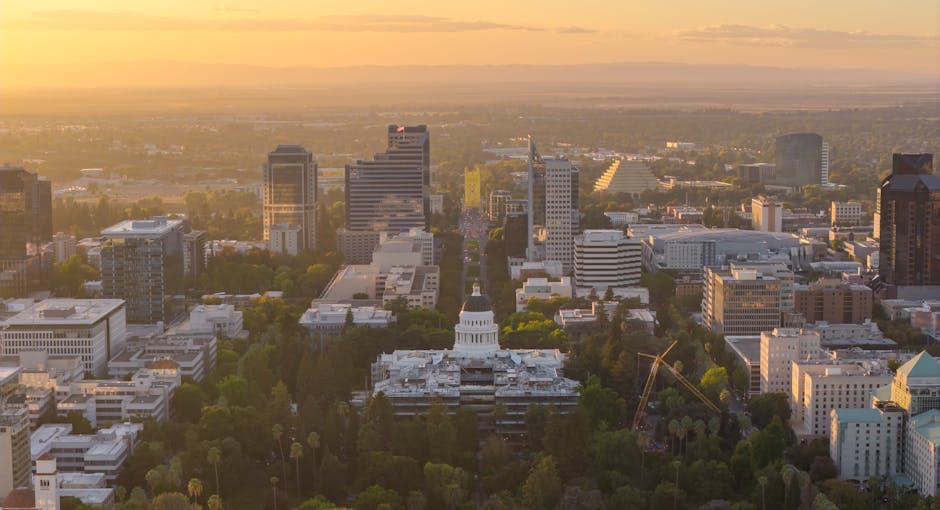
I. The lede
An espresso pull at Tazzaria, 8:42 a.m., late October
The fog has not lifted from Mooney Boulevard. A line of camp-coffee thermoses moves through the Tazzaria door on Main Street while, twenty-eight miles to the east on California State Route 198, a procession of rented sedans crawls toward Ash Mountain and the Foothills Visitor Center. The sedans started in Los Angeles last night. Their drivers will eat lunch back here in Visalia after the General Sherman selfie, and they will eat dinner here too if the line at the lodge restaurant in Three Rivers tells them, as it usually does, to come down the hill.
Tazzaria is one of seven downtown openings that followed the Fox Theatre restoration. Brewbakers Brewing in 2012, The Planing Mill in 2016, Bistro Bardot in 2022. The post-Fox downtown is the easy story to tell. The harder one runs through the southwestern neighborhoods where the farm-worker families who pick the citrus and table grapes that move through the Visalia Cooperative own a different set of restaurants. Casa Grande on Court Street. Henry Salazar's on Main. Augie's Tortas at midnight.
And then there is the Hmong-American story, smaller but vivid, the result of refugee resettlement in the 1980s and 90s that put central Tulare County on the cultural map. Sue Sa's Club House serves four generations of Visalia families. The Hmong New Year market each November fills Plaza Park. There are 400 plus restaurants in this city. Most of them lose 15 to 30 percent of every off-premise order to a third-party marketplace. That is the problem this page is here to solve.
II. Gateway economy
The closest big town to the largest tree on earth
The General Sherman tree contains 52,500 cubic feet of trunk. It is the largest single organism by volume on the planet. To get there from anywhere south of San Jose, a visitor drives through Visalia. CA-198 is the artery: 30 miles from downtown Main Street to the Ash Mountain Entrance, another forty-five minutes of switchbacks to the Giant Forest. Roughly 1.2 to 1.5 million people pass through this gateway each year, plus the Kings Canyon traffic that uses the same corridor.
Visalia is the meal stop. The lunch sit-down at Vintage Press on Main, the dinner before the drive back to Bakersfield or LA, the breakfast burrito grabbed at Henry Salazar's on the way up. Gateway orders cluster in two windows: 11:00 a.m. to 1:00 p.m. for the on-the-way-up crowd, and 5:30 p.m. to 7:30 p.m. for the on-the-way-back crowd. Saturdays are peak. October through January (Sequoia in snow) and May through September (full season) are the heavy months.
III. The harvest year
Tulare County: dairy first, citrus second, stone fruit third
Tulare County alternates with Fresno County for the title of largest agricultural producing county in the United States. The crop list is led by dairy (the cow population exceeds the human population), then citrus (mandarins, navels, lemons), table grapes, walnuts, pistachios, almonds, stone fruit, silage corn, alfalfa. Farm-worker households number in the tens of thousands. Their restaurant economy looks nothing like the downtown one: Spanish-speaking, family-pickup, cash and EBT mixed, evening volume that peaks around 6:30 p.m. after the row crew dismissal.
Restaurants on Goshen Avenue, on Mooney Boulevard between Cameron and Houston, on Roosevelt Street, on Stevenson Avenue. These are the southwestern and western corridors where the farm-worker dollar moves. The harvest year sets the calendar. June through October is the high-spend period (paychecks coincide with stone fruit and table grape work). January and February are the lean months when the citrus crews are working but the season is slowing.
IV. Downtown revival
From the Fox restoration to the Main Street pedestrian plan
The Fox Theatre opened in 1929 with a 1,400-seat house, a Wurlitzer organ, and a single screen that ran movies through the talkies, the war years, the suburbanization that hollowed out Main, and the boarded windows of the 1980s. The Fox's restoration broke ground in 1999 and finished in 2006. Brewbakers came in 2012. The Planing Mill came in 2016. Tazzaria in 2019. Bistro Bardot in 2022.
The pattern is small, dense, walkable. Main Street from Encina to West Street is six blocks long. The City of Visalia's 2024 downtown master plan proposes pedestrian-priority improvements along three of those blocks. Whether that builds or not, the dining economy is real. Reservations on Friday and Saturday have to be made days in advance. The pickup window at Brewbakers, Tazzaria, and The Planing Mill is busy enough to justify a dedicated curbside spot.
V. Cuisine corridors
Four Visalias on one city map
Downtown is the farm-to-table, craft beer, and white-tablecloth zone. Southwest Visalia is the Mexican and Salvadoran farm-worker family corridor, the rice-and-beans-and-carne-asada economy. Northwest Visalia is the Hmong-American cluster, smaller in headcount but culturally vivid, with the Hmong New Year market each November at Plaza Park as the anchor event. East Visalia is the newer residential growth zone, chains and family-pickup volume around the Marketplace at Riggin and along Demaree Street.
Each corridor wants different things from a phone line. Downtown wants reservations and large-party catering. Southwest wants Spanish-first ordering with combo specials and family-pack pickup. Northwest wants Hmong vocabulary for laab, larb, sausage names, and rice noodle dishes. East wants chain-equivalent app experience with name-on-the-bag pickup. A single platform that handles all four is the argument.
VI. The Hmong-American corridor
From the Mekong to the Central Valley
The Hmong arrived in the Central Valley after the fall of Laos in 1975 and again through the 1980s and 1990s as the refugee program processed waves of resettlement. Fresno took the largest share. Visalia, Merced, and Sacramento each absorbed substantial communities. The Hmong New Year market each November fills Plaza Park: produce, embroidered story-cloths, traditional games, and the food vendors selling laab Hmong, larb, papaya salad, sausage, sticky rice.
Most Hmong-owned restaurants in Visalia operate as small family kitchens. They take phone orders, they handle cash, they have not been on third-party marketplaces because the marketplace fees do not pencil for a $9 papaya salad ticket. A direct-ordering channel with Hmong-language Voice AI is the kind of tool that opens off-premise for them for the first time.
VII. The tax stack
Visalia combines a 8.50 percent tax on a $42 ticket
| Line | Rate | Amount |
|---|---|---|
| Subtotal (one family combo, two entrees, two drinks) | - | $42.00 |
| California state sales tax | 6.000% | $2.52 |
| Bradley-Burns local | 1.250% | $0.53 |
| Tulare County district add-on | 1.250% | $0.53 |
| Combined tax (Visalia) | 8.500% | $3.57 |
| Customer pays | - | $45.57 |
| Marketplace commission, baseline (~28%) | - | -$11.76 |
| Card processing (~3.0% blended) | - | -$1.37 |
| Net to restaurant via marketplace | - | $28.87 |
| Net to restaurant via DirectOrders (flat $249/mo, 0% commission) | - | $40.63 |
| Delta per $42 ticket | - | +$11.76 |
Sources: California CDTFA City Rate Tables (Tulare County, Visalia); platform commission rates per AB 1228 disclosures.
VIII. Voice AI
English, Spanish, and Hmong on one number
Visalia restaurants need three languages on the phone line. English for the downtown reservation calls and the Sequoia tourist asking if you do gluten-free. Spanish for the farm-worker family calling at 6:30 p.m. on their drive home from the field. Hmong for the smaller cluster of operators on the northwest side and the families who order in Hmong because the menu names are Hmong.
English
"Good evening, this is The Vintage Press. Are you calling for a reservation or for pickup?"
Espanol
"Buenas tardes, Casa Grande. Es para llevar o para comer aqui?"
Hmong (Lus Hmoob)
"Nyob zoo, Sue Sa's Club House. Koj xav yuav dab tsi?"
IX. The notable list
Ten Visalia kitchens
The Vintage Press
The flagship downtown white-tablecloth restaurant since 1966; Continental fare with a deep wine list.
Tazzaria
Italian downtown spot opened during the post-Fox revival; pastas, pizzas, and a tight bar.
Pita Kabob
Mediterranean street food on Main; meze plates and gyros draw a daytime business crowd.
Bistro Bardot
French-Mediterranean downtown; tasting menus and weekend brunch.
Brewbakers Brewing
Craft brewery and gastropub anchoring Main Street since 2012.
The Planing Mill Artisan Pizzeria
Wood-fired pies in a converted lumber mill; a downtown after-five gathering point.
Sue Sa's Club House
Chinese-American institution serving four generations of Visalia families.
Henry Salazar's Restaurante
Sit-down Mexican on Main; the place for graduation dinners, anniversaries, and Sunday family lunch.
Casa Grande Restaurant
Southside Mexican spot serving the farm-worker community since the 1970s.
Augie's Tortas
Stuffed Mexican sandwiches in a counter spot; a Tulare County late-shift staple.
X. Operator types
Five Visalia operators served
1. Downtown chef-owner
Main Street, 60 to 100 covers a night
Needs reservations, gift cards, large-party catering. DirectOrders handles all three with a single page.
2. Mexican family restaurant
Goshen, Mooney, Roosevelt corridors
Spanish-first phone line, family-combo SKUs, cash plus card. Voice AI in Spanish handles the dinner rush calls.
3. Hmong-American kitchen
Northwest Visalia cluster
Small ticket sizes, family-pack pickup, Hmong vocabulary. First-time off-premise channel that does not cost 28 percent.
4. Sequoia gateway lunch
Highway 198 corridor, downtown
Tourist-facing menu in English with allergen detail. Captures email at checkout for return visits.
5. East Visalia family pickup
Marketplace at Riggin, Demaree Street
Chain-equivalent app experience, curbside, kids-menu defaults. Builds the customer list the chains keep for themselves.
6. Hmong New Year vendor
Plaza Park, November
Event-week phone surge handled by Voice AI; same number, same kitchen, no missed calls.
XI. Build your direct channel
Visalia restaurants own their gateway
Sequoia tourists, farm-worker families, downtown diners, and Hmong New Year crowds order through one number, one website, one platform. Flat $249 a month. Zero commission.
XII. References and sources
Reporting and data
01
Visalia Times-Delta
Local newsroom, downtown revival, agricultural beat
02
The Fresno Bee
Regional newsroom covering Tulare County
03
City of Visalia
Economic Development, downtown master plan
04
Tulare County Health and Human Services
Restaurant inspections, public health
05
National Park Service: Sequoia and Kings Canyon
Visitor counts, gateway-economy data
06
US Census Bureau ACS 2024: Visalia
Demographics, language data, household income
07
California Department of Food and Agriculture
Tulare County agricultural ranking
08
US Department of Agriculture NASS
Dairy, citrus, stone fruit, table grape production
09
California CDTFA
Sales tax tables and district rates
10
California DIR: AB 1228
Fast Food Council and minimum wage
11
California AG: SB 478
Junk fee transparency guidance
12
Hmong American Heritage Group
Central Valley resettlement history
City File 16, Visalia. The Almanac of Direct Ordering, DirectOrders.com. Sources verified against public records at time of writing. Visalia tax rates may change; consult the California CDTFA for current figures.