North County,
Inland
Crossroads.
Escondido is the largest inland city in North San Diego County. Population is roughly 151,000 (US Census ACS). The city runs a Hispanic and Latino majority of more than 50 percent. Grand Avenue, the historic 1880s main street, is in the middle of a fifteen-year revival. Stone Brewing's flagship World Bistro & Gardens sits on Citrus Avenue. The San Diego Zoo Safari Park brings more than 1.5 million visitors a year through the San Pasqual Valley just east of town. The California Center for the Arts anchors the civic-arts calendar. Cruisin' Grand runs every Friday night through the summer. This is a long-read on how an online ordering platform fits a city that is both farm valley and arts town at once.
- Population
- ~151K
- US Census ACS
- Hispanic share
- ~52%
- US Census ACS
- Sales tax
- 7.75%
- CDTFA combined rate
- Safari Park visitors
- ~1.5M+
- SD Zoo Wildlife Alliance
5:42 PM on Grand Avenue.
A '57 Bel Air rolling past brick storefronts. The Stone bistro patio. A Safari Park van rolling out toward the city. The Center Theater curtain time. The city working through one hour at once.
The 5:42 PM hour on Grand Avenue in downtown Escondido is the kind of operating sequence you cannot fake. A 1957 Chevy Bel Air rolls past the Reidy Creek Building, where the brick is original and the awning is new. Friday in summer in Escondido means Cruisin' Grand. A classic car show has been staging in the parking lots since 4 PM. The streets close to vehicle traffic at 5:30 PM, except for the pre-1976 American steel that has been waiting all week for this hour. By 6 PM, the corridor is two miles of polished chrome, families on the sidewalk, food trucks parked on side streets, and the smell of carne asada drifting east toward the Center for the Arts.
Six blocks east, on Citrus Avenue, the Stone World Bistro & Gardens patio is at full capacity. A four-top orders smoked carnitas paired with an Arrogant Bastard on cask. The host stand quotes 90 minutes to a Friday couple. In the kitchen, the line is firing a 12-plate to-go order from the bistro's direct ordering page. The bill on that one ticket clears $410. The marketplace fee on it would have been $103. The bistro keeps every dollar.
Eight miles east, in the San Pasqual Valley, a van rolls out of the San Diego Zoo Safari Park parking lot toward Highway 78. The family of five has been there since 9 AM. They are tired, hungry, and twenty minutes from town. The dad pulls up the direct ordering page for a Grand Avenue Mexican restaurant on his phone, places two combo platters, a kids' quesadilla, and two carne asada burritos. Curbside pickup at 7:00 PM. The receipt confirms before the van clears the park gate.
Two blocks south of Grand, the California Center for the Arts is staging a Center Theater touring show. Curtain at 7:30 PM. A patron walks west on Grand toward a wine bar she has been to before. She places a pre-paid pickup order for two glasses of cab and a charcuterie board. Pickup window is set to 6:45. She will be back in her seat by curtain. This is what the corridor's economic recovery looks like at a five-minute granularity. Four customer realities, four operating models, four ordering surfaces, one city.
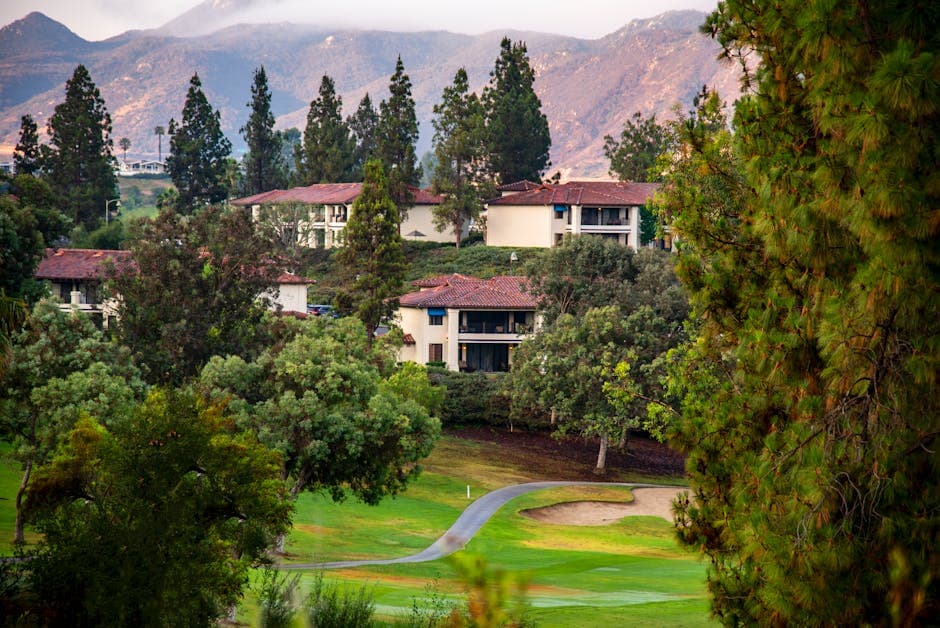
Escondido is the largest inland city in North San Diego County. It is a working-valley town with a Hispanic-majority population, a historic 1880s main street that is in the middle of a fifteen-year revival, a flagship craft brewery, a major wildlife park, a regional arts center, and a Friday-night car show that draws ten thousand people downtown. The ordering platform that fits this city has to handle each of those realities natively. This is what that looks like.
A '57 Chevy Bel Air rolls past the historic Reidy Creek Building. Cruisin' Grand is two hours from peak. A taqueria on the corner of Grand and Broadway turns its sidewalk into a queue. The cooks behind the line know Friday by smell.
A four-top on the patio orders the smoked carnitas plate paired with an Arrogant Bastard cask. The host runs a 90-minute waitlist. The line cook fires a 12-plate to-go order from the bistro's direct ordering page. No marketplace fee on a $410 ticket.
A van rolls out of the Safari Park parking lot toward Highway 78. The family of five opens a direct ordering page for a Grand Avenue Mexican restaurant. Two combo platters, a kids' quesadilla, two carne asada burritos. Curbside pickup at 7:00 PM.
Curtain at 7:30 PM for a Center Theater touring show. A patron walks two blocks west on Grand to grab a pre-show dinner from a wine bar. Pre-paid via the restaurant's direct ordering page. Pickup window is set to 6:45.
Grand Avenue, brick by brick.
The single most important fact about the Escondido restaurant scene is the Grand Avenue revival. Grand is the historic 1880s main street, running east to west through the valley floor for roughly fourteen blocks of downtown. The brick storefronts on Grand were built between the late 1880s and the 1920s. The corridor lost foot traffic through the 1980s and 1990s as retail migrated to the highway corridors. The revival started in earnest in the early 2010s with a small cluster of craft beer bars, full-service restaurants, and cafes. Today the corridor is one of the densest concentrations of independent restaurants per block in North County.
The Grand Avenue Business Association coordinates downtown programming. The Cruisin' Grand classic car show runs Friday nights from April through September. The Grand Avenue Festival draws regional crowds in spring. The California Center for the Arts season produces consistent pre-show dinner demand. The cluster effect has compounded over fifteen years. Operators who opened on Grand in 2010 are now anchors. Operators who open on Grand in 2025 inherit a programmed downtown calendar that did not exist when the early anchors signed leases.
The implication for an ordering platform is that the corridor is a programmed, predictable, surge-driven business district. Friday-night Cruisin' Grand crowds, Friday and Saturday Center for the Arts curtain times, Saturday Grand Avenue Festival weekends, weekday lunch trade for civic-center workers and downtown offices: every one of those is a known demand pattern. A direct ordering page tuned to the city's programmed calendar outperforms a marketplace listing that prices like every Friday is the same.
Escondido is platted as a Land and Town Company plan in the 1880s. Grand Avenue, running east to west through the valley floor, becomes the commercial spine of the town. The historic brick storefronts that line Grand today date from the late 1880s and early 1900s.
Through the 1980s and 1990s, retail tenants migrate to the highway corridors along Auto Parkway and along Interstate 15. Grand Avenue retains its bones but loses foot traffic. The buildings remain. The customers thin out.
An early-wave craft beer bar opens on East Grand Avenue, helping to anchor a slow revival of downtown nightlife. The Grand Avenue Business Association begins coordinating a programming calendar around the downtown core.
Multiple full-service restaurants take down long-term leases on Grand. Vincent's on Grand becomes the canonical white-tablecloth spot in the city. 150 Grand Cafe anchors the breakfast and lunch trade. Vintana Wine + Dine, on Auto Park Way at the edge of downtown, runs a date-night ticket.
Stone's downtown influence ripples outward. Smaller breweries, taprooms, and tasting rooms open within a five-block radius of Grand Avenue. The Cruisin' Grand classic-car program drives summer Friday volume back into the corridor.
The Hispanic majority population, which has been the underlying demographic story of the city since the 1990s, becomes the dominant operator class on the Grand Avenue blocks. Taquerias, mariscos shops, panaderias, and family-style Mexican restaurants take long-term leases. The corridor reflects the city.
Mixed-use residential infill near Grand begins to deliver. The Grand Avenue Festival, Cruisin' Grand summer nights, and the Center for the Arts season all overlap in a programmed downtown calendar that has not existed at this scale in fifty years.
Stone Brewing, and the pairing kitchen economy.
Escondido's place on the national craft beer map starts with one fact. In 2006, Stone Brewing opened the Stone World Bistro & Gardens on Citrus Avenue. A 55,000-plus-square-foot brewery, restaurant, and beer garden. The bistro was not the brewery's first taproom; it was the brewery's flagship public experience. Within a year, it was on every national craft beer travel list. Within five years, it was one of the most well-known brewery restaurants in the country. The Escondido campus is what put the city on the craft beer map. The downstream effect on the local restaurant scene has compounded for almost twenty years.
Stone was founded in San Marcos in 1996. The Escondido bistro opened in 2006. The company reached national distribution scale by the mid-2010s and was acquired by Sapporo USA in 2022. The Escondido bistro continues to operate under the Stone brand. What made the bistro novel was the explicit pairing of brewery-program output with a full-service kitchen designed for beer pairing. The menu was built around the beer list, not the other way around. That inverted the conventional pairing relationship and trained a generation of San Diego County operators to treat beer programs as menu-strategy inputs, not afterthoughts.
Around the Stone anchor, a beer-pairing kitchen competency developed across the city. Plan 9 Alehouse on East Grand Avenue. Burger Bench on South Maple. A half-dozen taprooms with shared kitchens or rotating food-truck programming. Brewer's dinners, cask nights, rotating-tap menu calendars: all of it became normal operating practice. For an ordering platform, the implication is direct. Brewer's-dinner pre-paid pickup, cask-night ticketed pairings, and brewery-collab limited-release menus are direct-channel products. The marketplaces cannot price them, route them, or describe them correctly. The direct ordering surface is the only one that fits.
Stone Brewing is founded by Greg Koch and Steve Wagner in San Marcos, California. The company quickly becomes a defining brand of the West Coast craft beer movement. Arrogant Bastard Ale and Stone IPA build a national following.
Stone opens a 55,000-plus-square-foot brewery, restaurant, and beer garden on Citrus Avenue in Escondido. The World Bistro & Gardens becomes one of the most famous brewery restaurants in the country, anchoring a beer-pairing kitchen that draws national press from the start. The campus puts Escondido on the craft beer travel circuit.
By the mid-2010s, Stone is one of the largest craft brewers in the United States by volume. The Escondido headquarters scales operations, retail merchandise, and a second restaurant location. The Escondido campus continues to be the flagship public-facing experience.
Stone Brewing is acquired by Sapporo USA in 2022, becoming part of the Sapporo family while continuing to operate the Escondido World Bistro and the broader Stone brand. The Escondido production facility and bistro continue under the Stone name.
Around Stone's anchor, the city's restaurant scene develops a clear beer-pairing competency. Operators run cask nights, brewer's dinners, and rotating tap menus. The pattern shows up at Plan 9, Burger Bench, and a half-dozen Grand Avenue spots that now treat draft programs as a core part of menu strategy.
Cruisin' Grand, and the Friday spike.
Cruisin' Grand is Escondido's signature downtown event. A Friday-night classic car show along Grand Avenue, organized by a nonprofit, running roughly April through September each year. The vehicles arrive starting in mid-afternoon. The streets close to vehicle traffic at 5:30 PM except for pre-1976 American steel and select foreign classics. By 6 PM, the corridor is packed with chrome, families on the sidewalk, food trucks on side streets, and the smell of taco-stand grills working in the background. The Cruisin' Grand Escondido organization estimates more than ten thousand people on the corridor on a peak summer Friday.
For a Grand Avenue restaurant operator, Cruisin' Grand is the most predictable demand surge of the year. The 5 PM to 9 PM window on a Cruisin' Grand Friday delivers a cover lift of 30 to 60 percent over a non-event Friday in the same season. The waitlist runs longer. The takeout window runs hotter. Marketplaces respond to this surge poorly because they cannot natively distinguish a Cruisin' Grand Friday from a regular Friday in their pricing or routing logic. They run the same prices, the same delivery radius, the same surge multipliers as a non-event night.
The right operator move is to publish a Cruisin' Grand specific menu, a Cruisin' Grand specific pickup window, and a Cruisin' Grand specific landing page that ranks for car-show queries in the weeks leading up to each Friday. A direct ordering page handles all three cleanly. The marketplace listings cannot match any of them. A restaurant that runs a Cruisin' Grand specific menu, with limited-edition pairing dishes and pre-paid pickup at 5:30 PM, captures the curated end of the demand curve and operates at higher ticket margins.
The same logic extends to the Grand Avenue Festival in spring and the Grape Day Festival in September. Both are programmed downtown events with predictable demand surges. Both reward operators with direct ordering surfaces. Both produce zero useful surge response from marketplace listings.
Friday-night classic car show on Grand Avenue, organized by the Cruisin' Grand Escondido nonprofit, running roughly April through September each year.
Pre-1976 American and select foreign classics. Reserved parking on Grand from East 2nd Avenue to Maple Plaza.
Estimated foot traffic on a peak summer Friday from spectators, families, and downtown patrons (Cruisin' Grand Escondido organizational estimate).
Downtown restaurants regularly see a 30 to 60 percent cover lift on Cruisin' Grand Fridays compared to a non-event Friday in the same season.
Safari Park visitors, and the post-park meal.
Eight miles east of Grand Avenue, in the San Pasqual Valley, sits the San Diego Zoo Safari Park. An 1,800-acre wildlife preserve managed by San Diego Zoo Wildlife Alliance. Annual visitation runs north of 1.5 million people. Peak season is June through August, with secondary peaks at Thanksgiving, the December holidays, and spring break. The park's location is rural by design; there are no full-service restaurants within walking distance of the gate. Every Safari Park family with a meal plan after a day at the park drives somewhere. For most, that somewhere is Escondido.
For Escondido restaurant operators, the Safari Park visitor flow is one of the most reliable late-afternoon and early-evening demand patterns in the city. The park closes between 5 PM and 7 PM depending on the season. Families exit hungry, tired, and twenty minutes away from a meal. They sort their dinner choice on the drive back into town. The restaurants that win this flow are the ones that show up on a Google Maps search from inside a moving vehicle, that have a clear curbside pickup option, and that load fast on a phone with three percent battery left.
Marketplaces capture some of this flow, but they lose more of it than they capture. A family that just spent six hours in the heat does not want to pay a 25 percent service fee on dinner. A family with three kids does not want to wait 45 minutes for delivery. The clean play for an Escondido restaurant is a direct ordering page with curbside pickup, a 15-minute lead time, and a clear post-Safari-Park family-pack option. Restaurants that build for this customer pattern outperform the marketplaces on margin and on customer satisfaction at the same time.
The Safari Park orbit also drives a meaningful catering channel. The park hosts conferences, special events, and corporate buyouts. Caterers who can deliver to the park's gated event spaces, with clean insurance certificates and Stripe invoicing, win recurring B2B revenue that the marketplaces cannot touch. The direct B2B catering form is the right tool for that channel.
San Diego Zoo Wildlife Alliance annual visitor estimates
San Diego Zoo Safari Park public facility data
Driving distance via Highway 78 and San Pasqual Valley Road
Summer school break peak visitation
North County avocado country.
San Diego County is historically one of the top avocado-producing counties in California, and North County (Escondido, Fallbrook, Valley Center) sits at the center of the regional growing footprint. Multi-generational family avocado groves operate in the hills surrounding Escondido, particularly in the western and northern parts of the city and across adjacent unincorporated North County. The California Avocado Commission and the San Diego County Farm Bureau both publish industry profiles that locate the growing heritage squarely in this corridor.
The agricultural proximity matters at the menu level. Many Escondido and Fallbrook restaurants source avocados directly from county growers. Guacamole tableside service, avocado-toast menus, and chef-grower relationships are real, not marketing copy. The Fallbrook Avocado Festival, fifteen miles north, is one of the largest agriculture-anchored festivals in California. Escondido restaurants build seasonal menus around the harvest cycle that the festival celebrates each spring.
For an operator, the avocado heritage is also a local SEO and content asset. A North County restaurant that publishes a Restaurant schema, a Menu schema with the avocado-forward dish marked up, and a short content page on its grower relationships will rank in the top tier of AI search and Google AI Overview results for North County avocado queries. The marketplaces will never reflect that depth of provenance content because the marketplaces are not built to surface it.
San Diego County has historically been one of the top avocado-producing counties in California, with North County (Escondido, Fallbrook, Valley Center) at the center of the growing region (California Avocado Commission, San Diego County Farm Bureau).
Multi-generational family avocado groves operate in the hills surrounding Escondido, particularly in the western and northern parts of the city, in Valley Center to the east, and in adjacent unincorporated North County areas.
The proximity to growers shows up on local menus. Avocado-forward menu items, guacamole tableside service, and chef relationships with growers are real, not marketing copy. Many Escondido restaurants source avocados directly from county growers.
The nearby Fallbrook Avocado Festival, fifteen miles north, is one of the largest agriculture-anchored festivals in California. Escondido restaurants build seasonal menus around the harvest cycle that the festival celebrates.
A 52 percent Hispanic city. Taquerias, mariscos, panaderias.
Escondido is more than 50 percent Hispanic and Latino per US Census Bureau ACS estimates. Roughly 38 percent of households speak Spanish at home. The North County zip clusters that center on Escondido (92025, 92026, 92027, 92029) all run a Hispanic-majority customer base across most restaurant categories. The taqueria, mariscos, panaderia, and family-style Mexican restaurant density on East Valley Parkway, Centre City Parkway, and Mission Avenue reflects that demographic reality at the menu level.
A Escondido restaurant phone line that picks up English-only at 11 AM is leaking volume on the lunch rush. The Spanish-language phone-ordering pattern is a daily, economic reality. Voice AI on the line that defaults to bilingual mode, with no phone tree, captures the order the way the customer expects it to be captured. The pronunciation has to be tuned to Northern Mexican Spanish, with the menu vocabulary that matters: carne asada, al pastor, carnitas, birria, chilaquiles, camarones a la diabla, aguachile.
The Spanish-language ordering page matters too. A customer landing on a translated English page that reads literally in Spanish bounces. The menu copy, allergen language, payment flow, and confirmation screens have to read native. Native Spanish-language UI is a different design pattern than the English UI, not just a translation layer on top of an English template.
The marketplaces have no equivalent. DoorDash, Uber Eats, and Grubhub default to English UI, English callback, and English customer support. A restaurant's direct phone line and direct ordering page, on the other hand, can simply default to bilingual. That is one of the most consistent direct-channel wins in the city.
The California Center for the Arts season.
Two blocks south of Grand, the California Center for the Arts, Escondido anchors the civic-arts calendar across all of North County inland. The Center includes a Center Theater of roughly 1,500 seats, a Concert Hall of roughly 400 seats, a museum and gallery program focused on Mexican and Latin American visual art, and a conference and event venue. The season runs heavily October through May, with summer programming for families and youth. Friday and Saturday evening shows are the highest-leverage demand window for the Grand Avenue restaurant corridor.
The pre-show dinner pattern is the most predictable demand stream the Center produces. Patrons arrive on the corridor between 5:30 and 7:00 PM, depending on curtain time. Most are not willing to wait 45 minutes for a table on a curtain night. The clean operator move is a pre-show prix-fixe menu, a 6:00 PM scheduled-pickup window, and a direct ordering page that ranks for "pre-theater dinner Escondido" queries in the weeks leading up to each program. Restaurants that lean into this pattern produce a Friday-and-Saturday-night ticket lift that compounds across the season.
The Center also produces a meaningful B2B catering channel. Conference and event bookings, ballroom weddings, civic functions, and gala receptions all require catering. The Center has in-house and preferred catering partners, but the spillover and small-event channel is open to direct-bid operators. A clean direct B2B catering form, with Stripe invoicing and a clear allergen and dietary handling spec, is the right tool for that channel.
The main theater hosts Broadway-style touring shows, concerts, and dance. Friday and Saturday evenings drive the highest pre-show dinner demand on the Grand Avenue corridor.
Mid-size hall for chamber music, jazz, family programming, and visiting artists. Generates steady Tuesday and Wednesday evening pre-show traffic.
Rotating exhibitions and a permanent collection focused on Mexican and Latin American visual art. Free admission days draw weekend foot traffic from across North County.
Conference and event venues host weddings, business events, and civic functions. Catering bids for these events are a meaningful direct B2B channel for Grand Avenue full-service operators.
California rules, San Diego County tax, Escondido city.
California has the most prescriptive restaurant operating environment in the United States. Three of those rules matter most for an Escondido restaurant. AB 1228, the FAST Act minimum wage that sets a $20-an-hour floor for covered fast-food workers at chains with 60 or more national locations. SB 478, the junk-fee ban that requires advertised prices to be the price the customer pays before tax and tip. And the combined sales tax of 7.75 percent in Escondido, the lowest combined rate in San Diego County's incorporated cities.
The AB 1228 wage floor reset the labor market for covered fast-food operations along Centre City Parkway, El Norte Parkway, and Auto Parkway. Independent operators on Grand Avenue, and the smaller family-owned operators across the city, are not directly covered. They still felt the gravitational effect on the local labor pool. SB 478 hit every operator, covered and independent alike, on July 1, 2024. The advertised price has to be the price the customer pays.
The 7.75 percent combined sales tax in Escondido is one of the lowest in the county, tied with the City of San Diego. Chula Vista, National City, and Imperial Beach all run at 8.75 percent because of voter-approved city add-ons. Escondido has not enacted a similar add-on. For an operator, the lower combined rate is a small but real customer-math advantage on every ticket compared to South Bay cities.
Sets a $20-an-hour minimum wage for covered fast-food employees. Escondido has multiple covered fast-food locations along El Norte Parkway, Centre City Parkway, and Auto Parkway. Independent operators on Grand Avenue are not covered. The wage floor still reset the regional labor market.
Bans mandatory undisclosed fees in advertised prices. The price on the menu has to be the price the customer pays before tax and tip. Marketplace partners pass this through inconsistently. Direct ordering pages are easier to make SB 478 compliant by design.
State portion is 7.25 percent. Add San Diego County district tax of 0.5 percent. Escondido does not currently have a city-level transactions and use tax add-on, which keeps the combined sales tax at 7.75 percent (per California Department of Tax and Fee Administration). That is the same rate as the City of San Diego and a quarter point lower than Chula Vista and National City.
San Diego County HHSA Department of Environmental Health and Quality enforces the food facility permit program, including the Fats, Oils, and Grease (FOG) interceptor inspection program. Inspection and pumping schedules are part of permit renewal across the city.
The combined Escondido sales tax, line by line.
California sales tax is layered. The state portion is 7.25 percent, which itself includes the 1 percent Bradley-Burns local allocation that flows back to counties and cities. San Diego County adds a 0.5 percent district tax that funds regional transportation through TransNet. The City of Escondido does not currently have a city-level transactions and use tax add-on. Stacked together, the combined sales tax in Escondido is 7.75 percent (per California Department of Tax and Fee Administration), tied with the City of San Diego for the lowest combined rate among the county's incorporated cities. Chula Vista, National City, and Imperial Beach all run a full point higher at 8.75 percent.
For an operator, the 7.75 percent rate is a small customer-math advantage on every ticket. A $14 carnitas plate in Escondido lands at $15.09 all-in for pickup, compared to $15.23 in Chula Vista. The difference is small per ticket but compounds across a year of operating volume. The bigger lever, on either side of the rate, is the price-disclosure discipline that SB 478 now requires. Direct ordering pages, where the operator controls the entire price-disclosure flow, pass SB 478 cleanly. Marketplaces continue to struggle with consistent passthrough.
| Layer | Rate | Collected by |
|---|---|---|
| California state sales tax | 7.25% | California Department of Tax and Fee Administration (state portion plus Bradley-Burns 1% local) |
| San Diego County district tax | 0.50% | San Diego County Regional Transportation Commission (TransNet, county-wide voter-approved) |
| City of Escondido add-on | 0.00% | No city-level transactions and use tax add-on currently in effect |
| Combined Escondido total | 7.75% | Combined collection through CDTFA, with distribution to state, county, and city |
Escondido voters have not approved a city-level transactions and use tax add-on, which keeps the combined sales tax at 7.75 percent. That gives the city a small customer-facing advantage on every ticket compared to South Bay cities at 8.75 percent. The marketing copy on a direct ordering page can simply show the all-in price clearly. The customer math is plainly better on the direct channel.
English and Spanish on the phone line.
Escondido's customer base is bilingual by composition. The Voice AI on a restaurant phone line in this city has to pick up in either English or Spanish, on the first ring, without a phone tree, and run the entire order in whichever language the customer started in. The pronunciation has to be tuned to Northern Mexican Spanish, with the menu vocabulary that actually matters in this city: carne asada, al pastor, carnitas, birria, chilaquiles, camarones a la diabla, aguachile, tortas, sopes, gorditas, menudo, pozole.
The English mode handles the Safari Park visitor flow, the California Center for the Arts pre-show crowd, the Stone World Bistro tourists, and the suburban commuter customer. The Spanish mode handles the lunch rush at the taquerias, the family-pack dinner at the carnitas joints, and the Friday-night Cruisin' Grand foot-traffic spike at the Mexican restaurants along Grand.
The Voice AI also handles modifiers (no cilantro, salsa on the side, extra avocado), allergen questions (gluten free corn tortillas, dairy free option), payment collection (card on file, walk-in pay), and the "can I add guacamole" upsell. It hands off to a human staffer for anything that does not match a menu item or pricing rule. It does not say "press one for English." A Escondido customer should not have to fight a phone tree to order carne asada in Spanish.
Marketplaces have no equivalent to bilingual default voice handling. DoorDash callbacks happen in English. Uber Eats customer support is English-default. A restaurant's direct phone line, on the other hand, can simply default to bilingual and pick up the way the customer expects.
Ten restaurants that define the city.
Across Grand Avenue, the Stone campus on Citrus Avenue, the family-style Mexican corridor on Mission Avenue and East Valley Parkway, and the regional anchors near the California Center for the Arts, ten restaurants reflect the operating diversity of Escondido. This is a selective list, not an exhaustive one. The pattern is: brewery-anchored chef kitchens, white-tablecloth dinner houses, daytime cafes, gastropubs, family-style Mexican, and modern California shared-plates kitchens, all running on the same direct-ordering platform.
Stone Brewing's flagship World Bistro and Gardens. One of the most famous brewery restaurants in the country. Beer-pairing menus, large patio, brewery tours next door. Catering tickets land for groups of 10 to 200 across the bistro and event spaces.
Date-night fine dining at the edge of downtown. Strong wine program, contemporary California menu, large covered patio with sunset views. Pre-theater dinner pickup for California Center for the Arts patrons is a recurring direct channel.
The canonical Grand Avenue white-tablecloth dinner spot. Anniversary, business-dinner, and prix-fixe occasions. A flagship of the Grand Avenue revival narrative. Pre-show direct pickup for Center for the Arts and Cruisin' Grand spillover.
Daytime anchor on Grand Avenue. Breakfast and lunch trade for downtown office workers, civic-center foot traffic, and Saturday brunch. The kind of operator where mobile-order-ahead during the 7 to 9 AM rush wins on minutes saved.
Early anchor of the Grand Avenue craft beer revival. Rotating taps from across San Diego County, full kitchen with pub fare and shared plates. A reliable Cruisin' Grand Friday night cover spike between 5 and 9 PM.
Chef-driven burger program with a serious craft beer list. The kind of menu where modifiers matter. Customer flow leans toward pickup and curbside, which makes a direct ordering page outperform marketplace listings on ticket size.
Long-running family-style Mexican spot. Carne asada plates, combination platters, family-pack take-home dinners. Bilingual customer base. Direct ordering on a Spanish-default page outperforms English-only marketplace listings on the lunch rush.
Family-friendly charbroiled chicken concept. Mesquite-grilled, served with tortillas, rice, beans, and salsa bar. A recurring weeknight family pickup ticket. Loyalty programs and reorder buttons on a direct ordering page win the repeat customer.
A North County bakery cafe that fills the morning pastry and lunch sandwich slot. Catering trays for office meetings, conference room breakfasts, and California Center for the Arts events are a recurring B2B direct channel.
Modern California shared-plates kitchen with a strong cocktail and wine program. Sit-down dinner trade plus a meaningful curbside-pickup channel for the surrounding mixed-use residential infill. Direct B2B catering for arts-center receptions.
Restaurant listings are reflective of the city's operating diversity, not endorsements. Operating details, addresses, hours, and ownership change frequently; verify current information directly with the restaurant. Restaurant inclusion is for editorial illustration and does not imply that the restaurant is a DirectOrders customer.
Who DirectOrders is built for in Escondido.
Four operator types capture most of the Escondido independent restaurant scene. Each has a different operating cadence, customer pattern, and direct-channel playbook. The platform fits all four because the underlying ordering, payment, dispatch, and Voice AI primitives compose differently for each operator type.
A direct ordering page tuned to Cruisin' Grand Fridays, California Center for the Arts curtain times, and Grand Avenue Festival weekends captures a meaningful share of the downtown demand cycle that marketplace apps cannot price correctly.
Beer-pairing menus, brewer's-dinner ticketing, and cask-night pre-orders all map cleanly onto a direct ordering and event-ticketing surface. Marketplaces have no equivalent to a brewer's-dinner pre-paid pickup window.
Spanish-default ordering page, bilingual Voice AI, family-pack pre-orders, and same-day Stripe payouts on a 52 percent Hispanic customer base. Marketplaces leak volume on every English-only IVR.
Mobile order-ahead during the 7 to 9 AM rush, scheduled-pickup catering trays for arts-center meetings and conference-room breakfasts, and direct B2B invoices for civic events. The marketplace economics on a $4 latte are negative; direct is the only sane channel.
How DirectOrders fits Escondido.
An ordering platform for Escondido has to handle five distinct customer realities on a customer base that is 52 percent Hispanic, inside a city with a historic 1880s main street in revival, a flagship craft brewery, a major wildlife park drawing 1.5 million visitors a year, and a regional arts center. The stack: flat $249 a month, no per-order commission, branded bilingual ordering site, English and Spanish Voice AI, Uber Direct flat dispatch, same-day Stripe payouts, and a California SB 478 compliant checkout flow. Below is the argument for why those six pieces, in that order, are the only sane configuration for this city.
Flat $249 a month, zero commission
On a $45,000 monthly marketplace at 25 percent commission, an Escondido restaurant pays $11,250 a month, $135,000 a year, to DoorDash or Uber Eats. That is roughly the all-in cost of a kitchen manager. DirectOrders takes that line off the P&L.
Bilingual ordering on your domain
Spanish UI by default for the 52 percent Hispanic customer base. English UI for Safari Park visitors and tourists. Your URL, your Google rankings, your AI search visibility. Marketplaces will never give you a native-feel Spanish ordering page.
Bilingual Voice AI on your phone line
English plus Spanish. No phone tree. Northern Mexican Spanish pronunciation tuned for menu items (carne asada, al pastor, carnitas, birria, aguachile). Picks up at 11:34 PM the way no human staffer would.
Uber Direct dispatch at flat cost
Inland North County routing, single-drop dispatch when the dish needs it. A 15-minute pickup window for post-Safari-Park families. A radius cap inside the Escondido city limits to keep dispatch costs predictable.
Same-day Stripe payouts
Saturday brunch revenue lands in your Stripe account before Saturday closing. Cruisin' Grand Friday catering revenue lands in time to make Monday's prep order. Marketplace payouts wait seven to fourteen days.
SB 478 compliant by design
The menu price is the price. The delivery cost is itemized clearly up front. No surge multipliers hide in the checkout flow. The direct channel passes California's junk-fee rule cleanly because the operator controls the price disclosure.
The plain version of the thesis is this. Escondido is five restaurants at once. It is a Grand Avenue full-service dinner house on a Cruisin' Grand Friday night. It is a Stone World Bistro patio with a brewer's dinner. It is a family-style Mexican taqueria handling a 7:00 PM curbside pickup for a Safari Park family that just got back into town. It is a daytime cafe handling the breakfast and lunch trade for civic-center workers and Center for the Arts patrons. It is a brewery taproom running a cask-night pre-paid ticketed pairing.
Marketplace apps cannot do all five because their pricing logic, routing logic, and language logic are built for a city that operates on one mode. Escondido operates on five. A direct ordering platform that gives the operator control of the channel, the price, the language, the pickup window, and the customer data is the only stack that fits this city. That is what DirectOrders is.
The carne asada plate at 8 PM still belongs to the restaurant that made it.
The last hour of the rush on a Cruisin' Grand Friday in downtown Escondido. A '57 Bel Air idles at a stoplight on Grand. The taqueria on the corner has a queue out the door. The Stone bistro is at 90 minutes on the host stand. The arts center curtain just came up.
Every order placed on the corridor in the next 60 minutes carries the same physical objects: carne asada, carnitas, a stack of warm flour tortillas, a craft beer or a glass of wine. The food is the same. What is different is who knows the customer's name. Who has the email address. Who can text the customer about next Friday's pairing menu, in Spanish, with the pronunciation tuned to Northern Mexico. Who owns the relationship.
On marketplace platforms the answer is: not the restaurant. On a direct ordering platform built for the way this city actually operates, the answer is: the restaurant. That is the entire argument. The rest is execution.
Sources and citations.
Stats on this page are drawn from the following public sources. Where a figure is approximate, it is noted with a tilde. Where a number is rounded, the source carries the full precision.
- US Census Bureau ACS (City of Escondido)
Population (~151,000), Hispanic and Latino share (~52%), Spanish-at-home share, median age, household composition.
- California CDTFA Sales and Use Tax Rates
Combined sales tax rate (7.75% in Escondido), state portion, county district tax breakdown.
- California Legislative Information AB 1228
AB 1228 (FAST Act minimum wage) statute, scope, and effective dates.
- California Legislative Information SB 478
SB 478 (Junk Fee Ban) statute, scope, and effective date (July 1, 2024).
- City of Escondido
City demographics, Grand Avenue revitalization, downtown business district programming, civic services.
- Stone Brewing
Stone World Bistro & Gardens history, Escondido campus scope, brewery tour and beer-pairing menu.
- San Diego Zoo Safari Park
Safari Park visitor scale (~1.5M+ annual), 1,800-acre facility scope, location in San Pasqual Valley.
- California Center for the Arts, Escondido
Center Theater (~1,500 seats), Concert Hall, museum and galleries, conference and event programming.
- Visit Escondido
Destination programming, downtown event calendar, Grand Avenue Festival, Cruisin' Grand season dates.
- Cruisin' Grand Escondido
Friday night classic car show, season dates (Apr to Sep), vehicle and spectator counts, downtown impact.
- California Avocado Commission
California avocado growing regions, San Diego County and North County share of state production, Escondido growing heritage.
- San Diego County Farm Bureau
San Diego County agriculture profile, North County avocado growing heritage, Escondido grower context.
- San Diego County HHSA Department of Environmental Health and Quality
Food facility permit program, FOG (Fats, Oils, Grease) interceptor inspection enforcement.
- San Diego Union-Tribune North County
Local reporting on Grand Avenue revival, Stone Brewing news, Safari Park and Center for the Arts coverage.
- North Coast Current
Hyper-local North County news organization covering Escondido, Carlsbad, Encinitas, Vista, and Oceanside.
- Grand Avenue Business Association
Downtown Escondido programming, Grand Avenue Festival, Cruisin' Grand coordination, business district maintenance.