South Bay,
Bayfront,
Border-Adjacent.
Chula Vista is the second-largest city in San Diego County. Roughly 280,000 residents sit between downtown San Diego twelve miles north and the Tijuana border ten miles south. The city is roughly 60 percent Hispanic and Latino (US Census ACS 2024). The Bayfront waterfront is in its largest redevelopment in fifty years. Sleep Train Amphitheatre is the biggest outdoor concert venue in the county. The former US Olympic Training Site is still here, just renamed. This is a long-read on how an online ordering platform fits a city that operates on its own grammar.
- Population
- ~280K
- US Census ACS 2024
- Hispanic share
- ~60%
- US Census ACS 2024
- Sales tax
- 8.75%
- CDTFA combined rate
- Border distance
- 10 mi
- Tijuana, BC via I-5
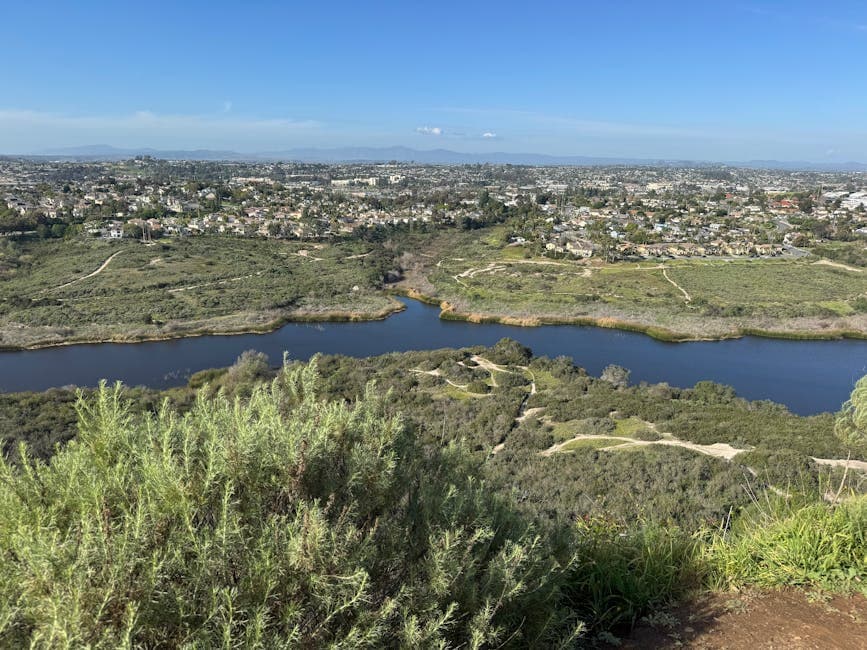
11:00 on Third Avenue.
A mariscos griddle. An Otay Ranch curbside pickup. A Bayfront job-site invoice. The city working through one hour at once.
The 11 AM rush in Third Avenue Village in downtown Chula Vista is the kind of operating sequence you cannot fake. Twenty minutes by car from the San Ysidro port of entry. Eighteen minutes from downtown San Diego in light traffic, almost double that at rush hour. A mariscos griddle in the back pushes shrimp aguachile to the line. The cook on second station ladles birria consome into foam cups for takeout. A flour tortilla, twelve inches across, hits the comal.
In Otay Ranch ten miles east, a family in a third-row SUV pulls into a curbside pickup spot at the Town Center perimeter. They opened the restaurant's direct ordering page in Spanish on the way over. Three combo platters, two birria orders, one aguachile. Pre-paid. No service fee. The same-day Stripe payout will hit the restaurant's account by close of business.
Two miles west, on the Bayfront construction-staging zone, a site foreman places a 12-plate catering order to a job-site address. One invoice. The PO clears the restaurant's ledger before the lunch rush even ends. Half a mile north, on the access road to Sleep Train Amphitheatre, a tour-bus production manager places a 50-plate corporate catering order for tonight's load-in crew. He sends the invoice to a Live Nation accounts-payable email and gets confirmation in under three minutes.
This is a city of margins, and a city of two languages. The combined sales tax is 8.75 percent (California Department of Tax and Fee Administration), one full point above the City of San Diego's 7.75 percent. Hispanic and Latino residents make up roughly 60 percent of the population (US Census Bureau ACS 2024). Roughly 45 percent of households speak Spanish at home. The Tijuana border is ten miles south. The Bayfront waterfront redevelopment, the largest single public-private investment in city history, is in active construction. Most Chula Vista restaurants serve a customer base where bilingual is not a courtesy. It is the operating language.
Chula Vista is not downtown San Diego, not Tijuana, although it is closer to Tijuana than it is to most of San Diego County. It runs on its own grammar. This is what that grammar looks like, and what an ordering stack that respects it has to do.
A mariscos griddle pushes shrimp aguachile to the line. A flour tortilla, twelve inches across, hits the comal. The cook on second station ladles birria consomé into a foam cup for a takeaway order.
A family in a third-row SUV pulls into a curbside pickup spot. They opened the restaurant's direct ordering page in Spanish. Three combo platters, two birria orders, one aguachile. Pre-paid. No service fee. Same Stripe payout day.
A construction crew on the Bayfront redevelopment site orders a stack of catering boxes to a job-site address. Twelve plates, one invoice. The PO clears the restaurant's account before lunch ends.
A tour-bus production manager places a 50-plate corporate catering order for tonight's load-in crew. He clicks a French-named taco shop's direct ordering page, picks the bilingual menu, sends the invoice to a Live Nation accounts-payable email.
South Bay, ten miles north of Mexico.
The most useful frame for understanding Chula Vista is geography. The city center sits at roughly 32.64 degrees north, 117.08 degrees west. The Tijuana border is ten miles south. The San Ysidro port of entry is seven miles south. Otay Mesa, the commercial truck corridor, is nine miles southeast. Downtown San Diego is twelve miles north. The Coronado Bridge sits ten miles northwest. Most residents have family, dentists, doctors, or restaurants they visit south of the line. Most commute north for work. Both of those flows happen daily. Bilingual is the working operating language across the South Bay because the customer is bilingual.
The customer-flow reality of the South Bay is unlike anything in San Diego County north of National City. San Ysidro and Otay Mesa together process roughly 32 million border crossings annually (US Bureau of Transportation Statistics). Most of those crossings are not tourists. They are workers, family members, students, patients. They are people whose lives are stitched across the border at a daily cadence. A Chula Vista restaurant is, by geography, one of the first stops north and one of the last stops south. The ordering surface either reflects that or it leaks volume.
Cross-border delivery is not viable through standard couriers. Uber Direct and DoorDash Drive both stop their delivery zones at the US side of the line. But cross-border pickup is daily reality. A customer crosses at San Ysidro, picks up dinner at a Chula Vista restaurant, drives the seven miles south, sits at home. The pickup window is the unit of commerce that crosses the border. A Spanish-language ordering interface and a same-day-Stripe payment flow on the Chula Vista side captures lunch and dinner orders that English-default IVR or English-only marketplace flows lose.
The north-side flow matters too. Most Chula Vista residents work in downtown San Diego, in the Mission Valley office corridor, at Sharp Memorial or Scripps Mercy, on Coronado at the naval installations, or in the Sorrento Valley biotech belt. The morning commute is a thirty-minute decision about where to grab coffee and lunch. The evening commute is a thirty-minute decision about where to grab dinner on the way home. Restaurants in Bonita, Eastlake, Otay Ranch, and Third Avenue Village all sit on that decision tree. A restaurant's direct ordering page, with pre-order-for-pickup at 5:45 PM scheduling, is the highest-leverage acquisition asset in that window.
The cultural geography is denser than the highway geography. Tijuana is where most Chula Vista families have roots. Most Chula Vista mariscos shops and birria spots use family recipes that originated in northern Baja, Sinaloa, or Sonora and were perfected on Mexican grills before being scaled in San Diego County. The South Bay food map is a satellite of the Baja food map. Chefs cross. Suppliers cross. Customers cross. The ordering platform that respects that does not treat the border as an outer ring of the metro. It treats it as the cultural center.
For an operator, the practical implication is this. A direct ordering page that defaults to bilingual UI, with menu Spanish-language descriptions written by someone who can spell aguachile and pronounce camarones a la diabla, will outperform a English-default marketplace listing on a 60-percent-Hispanic customer base by a margin that compounds across the year. A single curbside pickup spot signed in Spanish converts more than a marketing campaign that is not. The phone line that picks up in Spanish without a phone tree captures lunch orders that the English-only line never sees.
That is the South Bay thesis in one paragraph. The five points below are the atlas.
The cultural neighbor. Most Chula Vista residents have family, doctors, dentists, or restaurants they visit south of the line. Bilingual is the working operating language.
World's busiest land border crossing. Combined with Otay Mesa, the system processes roughly 32 million crossings annually (US Bureau of Transportation Statistics).
Commercial truck corridor. Cross-border manufacturing supply chain. Tijuana maquiladora workers commute through here every weekday.
Gaslamp, Petco Park, Convention Center, Little Italy. The county anchor. Chula Vista residents commute north for work, but eat south for family.
Naval Air Station North Island and Naval Amphibious Base Coronado sit across the bay. Coronado dinner traffic flows into and out of Chula Vista.
The Olympic Training Center that was, and is.
For 22 years, from 1995 to 2017, Chula Vista was home to the ARCO Olympic Training Center, the third year-round US Olympic Training Site after Colorado Springs and Lake Placid. 155 acres on the eastern edge of the city, adjacent to the Lower Otay Reservoir. Track and field, archery, cycling, BMX, rowing, sailing, and field hockey. National team training camps. Pre-Olympic year residencies. The facility hosted Paralympic competitions and youth-development clinics across the entire training year. For most of that period, US Olympic and Paralympic Committee operations ran the site.
In 2017, the USOPC consolidated its primary training operations to Colorado Springs. The Chula Vista facility was not closed. It was transitioned. The site became the Chula Vista Elite Athlete Training Center, operated in partnership with the City of Chula Vista, retaining its core disciplines and continuing to host national team camps, Paralympic events, and youth clinics. The Olympic rings came off the formal signage; the role in the elite athlete pipeline did not.
For an operator running a restaurant in eastern Chula Vista or in Eastlake, the heritage is not a marketing prop. It is a recurring booking driver. The Elite Athlete Training Center publishes a multi-week event calendar (per the cveatc.com facility page). Track and field competitions bring out-of-town family members, coaches, and team-staff members into Chula Vista for two- to four-day stays. Archery championships do the same. Annual youth clinics fill the Eastlake hotels every summer.
The catering opportunity around these events is consistent. Coaching staff lunches. Team meal planning around training schedules. Family-of-athlete dinners. None of these are walk-in. All of them are pre-booked, pre-paid, and benefit from a clean direct invoice. The marketplace economics of a three-day team-stay catering arrangement do not work. The direct channel does.
The cultural footprint matters too. Chula Vista is one of two cities in the US that has continuously hosted a US Olympic and Paralympic training facility for thirty years (the other is Colorado Springs). That history sits inside how local high schools talk about athletics, how the city budgets for sports infrastructure, and how families in Eastlake and Otay Ranch think about their kids' weekend programming. The Olympic site is part of the city's civic identity. A restaurant operator who runs a Saturday-morning team breakfast program or a regional tournament catering vertical is plugging into the city's most resilient demand stream.
The Chula Vista facility opened as the third year-round US Olympic Training Site after Colorado Springs and Lake Placid. ARCO Petroleum was the founding sponsor. The site sits on roughly 155 acres adjacent to the Lower Otay Reservoir.
The US Olympic and Paralympic Committee consolidated primary training operations to Colorado Springs. The Chula Vista site continued operating with a transitional partnership model with the City of Chula Vista.
The facility became the Chula Vista Elite Athlete Training Center, operated in partnership with the city. Track and field, archery, cycling, BMX, and rowing remained core disciplines.
Still hosts US national team training camps, Paralympic competitions, and youth-development clinics. The facility's annual events bring out-of-town families and team-staff dinner traffic into Chula Vista restaurants.
Sleep Train Amphitheatre: the county's biggest outdoor stage.
The amphitheatre on Chula Vista's eastern edge, currently named North Island Credit Union Amphitheatre but still known locally by its earlier Sleep Train branding, is the largest outdoor concert venue in San Diego County (per Live Nation venue listings). Capacity is roughly 20,500 across reserved seats and lawn. Concert season runs from May to October. In a normal year, roughly 25 to 35 shows fill the calendar. The venue has cycled through four naming-rights partners since opening in 1998 as Coors Amphitheatre.
For an operator, the amphitheatre is not a walk-in customer driver. It is a B2B catering driver. Tour-bus production crews load in starting around 11 AM on concert days. That crew lunch is a recurring 30- to 60-plate order with a single invoice and a clean accounts-payable email. VIP suite catering, before the headliner, is a separate channel with higher ticket size and tighter quality requirements. Both are direct-bid arrangements. Marketplaces have no presence in either channel because the marketplaces cannot issue a clean PO and cannot collect a Live Nation or tour-production accounts-payable signature.
The post-show pattern matters too. Concerts let out between 10 PM and 11 PM. Eastern Chula Vista restaurants that stay open until midnight catch a meaningful post-show dinner and late-night walk-up customer base on Saturday concert nights. Pre-orders placed during the concert, scheduled for 10:45 PM pickup, are the cleanest version of this play. A restaurant with a direct ordering page that supports scheduled pickup wins the after-concert customer in a way the marketplaces do not because the marketplaces optimize for delivery routing, not for scheduled pickup-in-the-parking-lot.
For city-wide planning purposes, the amphitheatre is a known surge calendar. The annual concert schedule publishes by spring. Operators who plan staffing, inventory, and ad spend against the published calendar capture the recurring revenue. Operators who do not, do not.
Most San Diego County residents associate the venue with its earlier names. Coors Amphitheatre from 1998 to 2007. Cricket Wireless Amphitheatre from 2008 to 2014. Sleep Train Amphitheatre from 2015 to 2018. The current North Island Credit Union naming-rights agreement runs through the late 2020s. The local SEO play is to include the canonical address and the heritage names because customer search queries still surface all four.
Reserved seats plus lawn, the largest outdoor concert venue in San Diego County (per Live Nation venue listings).
Outdoor concert season aligns with Southern California dry weather. Roughly 25 to 35 shows annually.
Tour-bus crew lunches at 11 AM load-in. VIP suite catering before headliner. Both are direct-bid B2B channels.
Coors Amphitheatre (1998 to 2007), Cricket Wireless Amphitheatre, Sleep Train, North Island Credit Union (current). The venue has had four naming-rights partners.
The Bayfront in active construction.
The Chula Vista Bayfront is the largest single redevelopment project in city history (per the chulavistabayfront.com master-plan page and Port of San Diego project summaries). 535 acres along the city's western shoreline. The anchor parcel is the Gaylord Pacific Resort and Convention Center, a roughly 1,600-room hotel with roughly 275,000 square feet of convention space currently in construction. When the resort opens, it will bring convention-volume B2B catering demand to South Bay restaurants for the first time. The marketing copy on the Bayfront has been promised for fifteen years; the construction equipment on site is finally answering it.
The development is phased. Sweetwater Park, a 9-acre waterfront public park, opens in phased segments. The Harbor District master plan, approved by the City Council and the Port of San Diego, includes marina-side retail, dining, and residential parcels along the Marina Parkway. A planned RV resort with roughly 200 RV pads and a second hotel sit in the longer-term phase. Each parcel has its own ground-lease and development partner.
For an existing Chula Vista restaurant, the operator question is not whether the Bayfront will eventually drive customer flow. It is whether the operator is ready to plug into the construction-phase, mid-phase, and post-opening demand. Construction-phase catering, today, is real and recurring. Site-foreman lunch orders, crew dinner runs, and project-meeting catering at Port of San Diego and developer offices all clear through clean invoices. A restaurant with a direct B2B ordering form and a Stripe-invoice flow can win this channel on a six-month basis without needing any other infrastructure.
Mid-phase, when Gaylord Pacific opens, the convention catering channel changes the South Bay restaurant ecosystem. Today, every convention catering booking in San Diego County flows through the Convention Center downtown, Hilton San Diego Bayfront, Marriott Marquis, and the Manchester Grand Hyatt. The Bayfront opening adds a second major convention catering corridor in the county. That is a multi-hundred-million-dollar food and beverage shift over a decade. Chula Vista restaurants with a direct ordering page and a clean catering vertical will be the first to capture spillover demand. The marketplaces are not structurally positioned for convention catering because convention catering is invoice-billed, pre-scheduled, and quality-controlled in ways that marketplace routing does not handle.
Anchor hotel of the Bayfront. The largest single private investment in Chula Vista history. Brings convention-volume B2B catering demand to South Bay restaurants for the first time.
Public park along Sweetwater Channel. Picnic, family, and event programming. Restaurant pickup customers walking from park to nearby restaurants.
Waterfront restaurant rows planned along the Marina Parkway. The mid-density retail mix the Bayfront has lacked since the rail yards closed.
Caravan-style waterfront RV park. Family travel, sports tournaments, regional rowing regattas. Long-stay food spend that does not show up in marketplace daily numbers.
Otay Ranch, Eastlake, and the eastern half of the city.
East of the I-805 freeway, Chula Vista is a master-planned city. The first wave of development started in Eastlake in the mid-1980s. Rancho del Rey followed in the late 1980s and 1990s. The largest project, the Otay Ranch master plan, has been built out in villages from the late 1990s to the present. The Otay Ranch Town Center, an open-air lifestyle center anchored by Macy's, AMC Theatres, REI, and a curated tenant mix, sits at the geographic center of the eastern half. Adjacent to the Town Center are the village retail anchors that serve household density that the historic western half does not have.
The catering and pickup pattern in the master-planned communities is different from Third Avenue Village downtown. Out east, the customer is in a third-row SUV, the household has three to five members, and the food purchase is for family consumption on a Friday night or Saturday afternoon. Pickup is the dominant fulfillment mode. Delivery works for a narrow band of Friday-night pizza and Asian takeout, but for everything else, the customer prefers to drive up, grab the bags, and go home. A direct ordering page with a clearly signed curbside pickup spot, three-minute order-status updates, and a one-click reorder button outperforms a marketplace listing in this customer pattern by a wide margin.
The school-district overlay is the other important context. The Chula Vista Elementary School District is one of the largest elementary districts in California by enrollment. The Sweetwater Union High School District covers the upper grades. Both districts feed sports-tournament-day catering and graduation-party catering verticals that compound across the year. A restaurant with a school-friendly party-pack menu and a pre-paid pickup form for team meals can sustain a meaningful share of weekend revenue against these district calendars.
The historic half of the city, Third Avenue Village and the surrounding 91910 and 91911 zips, runs on a different model. Independent ownership. Older buildings. Tortillerias, panaderias, mariscos counters, and family-owned full-service restaurants. The Third Avenue Village Association maintains the downtown business district. The walk-up density here is the closest thing in the city to the urban pattern of National City or Barrio Logan. The direct-ordering play in the western half is shorter-radius delivery, walk-up pickup, and bilingual-default UI. The same platform serves both halves, but the operator playbook in each is different.
Family-density catering. Birthday parties, soccer tournaments, school events. Pre-paid weekend ordering with curbside pickup is the dominant pattern. Average ticket is closer to a Eastlake-Otay Ranch household party than a downtown dinner cover.
Older master-planned community. Higher home values. Saturday-night family dining demand. The Olympic Training Center sits at the Eastern edge of the Eastlake footprint.
Middle Chula Vista. Family-density catering and weekday-evening pickup. Sweetwater Union High School District campuses sit across the corridor.
Unincorporated county, adjacent to Chula Vista. Equestrian and family-density. The Sweetwater Reservoir watershed runs through the community. Direct catering for school athletics and family events.
The historic city center. Independent-owner restaurants, tortillerias, panaderias, mariscos counters. Walk-up density that the Eastlake master-planned communities will never replicate. The Third Avenue Village Association maintains the downtown business district.
A roughly 60 percent Hispanic city. Spanish-first phone line.
Chula Vista is roughly 60 percent Hispanic and Latino per US Census Bureau ACS 2024. Roughly 45 percent of households speak Spanish at home. The South Bay zip clusters (91910, 91911, 91913, 91914, 91915) all run majority Hispanic. Across the eastern master-planned communities and the historic western half, the customer base of most restaurants is majority bilingual. For the food sectors where the customer skews more Hispanic-heritage, the share is closer to 80 percent.
A restaurant's phone line in Chula Vista that picks up in English-only mode at 11 AM is leaking volume on the lunch rush. The Spanish-language phone-ordering pattern is real, daily, and economically meaningful. Voice AI on a Chula Vista restaurant's line, tuned to bilingual mode by default (no "press 1 for English" phone tree), picks up the order the way the customer expects it to be picked up. The pronunciation has to be tuned to Northern Mexican and Baja Spanish. Carne asada, al pastor, aguachile, chilaquiles, birria, camarones a la diabla all have to be pronounced correctly by the AI. The voice model from a national restaurant-tech vendor that defaults to Castilian or Caribbean Spanish loses customer trust on the first interaction.
The visual design of the direct ordering page matters too. A Chula Vista customer landing on a Spanish-language ordering page does not want a translated English page that reads "literal" in Spanish. The menu copy, allergen language, payment-flow copy, and confirmation screens have to read native. The Spanish-language UI is a different design than the English-language UI, not just a translation layer.
Marketplaces have no equivalent to this. DoorDash and Uber Eats both default to English UI, callback in English, and customer support in English. A restaurant's direct phone line and direct ordering page, on the other hand, can simply default to bilingual and pick up the way the customer expects.
Sweetwater Reservoir and the outdoor day.
The Sweetwater Reservoir, managed by Sweetwater Authority, frames the watershed corridor that runs through the eastern half of Chula Vista and into Bonita. Public access is limited because the reservoir serves as a drinking-water source. The Lower Otay Reservoir, adjacent to the Elite Athlete Training Center, has more public-facing recreation (fishing, boating, hiking trails). The Bayshore Bikeway loops 24 miles around San Diego Bay with a Chula Vista Bayfront segment. The Living Coast Discovery Center on the Sweetwater Marsh wildlife refuge near the Bayfront draws elementary-school field-trip and family-weekend traffic.
Outdoor recreation drives a specific food channel. Saturday-morning bikeway cyclist breakfast. Sunday-afternoon trail-day family lunch. Field-trip catering on weekday mornings during the school year. None of these are marketplace customers. They are direct-order, pre-paid, scheduled-pickup customers. A restaurant's direct ordering page that supports scheduled pickup, with bike-rack-accessible curbside parking and a family-friendly party-pack menu, is the right product for this channel.
Drinking-water reservoir managed by Sweetwater Authority. Limited public access. The watershed corridor frames a meaningful chunk of eastern Chula Vista. Driving water-quality and seasonal-recreation considerations across the master-planned communities.
Adjacent to the Elite Athlete Training Center. Public fishing, boating, and trail access. Brings weekend day-tripper food spend into Otay Ranch and Eastlake retail anchors.
24-mile loop around San Diego Bay, with a Chula Vista Bayfront segment. Cyclist day-trippers, weekend family rides. Direct ordering with bike-rack pickup parking matters more than marketplace listings here.
On the Sweetwater Marsh wildlife refuge near the Bayfront. Family-day-trip destination. Curated for elementary school field trip catering and family weekend lunch pickup.
California AB 1228, SB 478, and the rules of the kitchen.
California has the most prescriptive restaurant operating environment in the United States. Three of those rules matter most for a Chula Vista restaurant. AB 1228, the FAST Act minimum wage that sets a $20-an-hour floor for covered fast-food workers at chains with 60 or more national locations. SB 478, the junk-fee ban that requires advertised prices to be the price the customer pays before tax and tip. And the combined sales tax, 8.75 percent in Chula Vista, the highest of any major South Bay city.
The AB 1228 wage floor moved the labor-cost line for covered fast-food operations in Chula Vista overnight. Otay Ranch Town Center, Eastlake Marketplace, Third Avenue Village, and the cluster of fast-food anchors along Bonita Road and Telegraph Canyon Road all have covered locations. Independent restaurants are not covered. But the wage floor reset the regional labor market in ways that affect everyone, including independents. SB 478 hit every operator, covered and independent alike, on July 1, 2024. The advertised price has to be the price the customer pays.
SB 478 is the rule that exposes the marketplace economics most clearly. A marketplace listing that shows a $14 California burrito but charges the customer $32 after service fees, small-order fees, delivery fees, and surge pricing is not SB 478 compliant. The marketplaces have built complex passthrough disclosure flows to try to comply, but the customer-facing experience is messy and inconsistent. A restaurant's direct ordering page, by contrast, is easy to make SB 478 compliant by design: the menu price is the price, the delivery cost is itemized clearly up front, no surge multipliers hide in the checkout flow.
The fourth rule, the San Diego County FOG (Fats, Oils, and Grease) interceptor inspection program, is the operating one. Every Chula Vista restaurant with grease output runs on a county-set inspection and pumping cadence. Recordkeeping is part of permit renewal. The same restaurant-admin workflow that handles ordering-platform reporting, inventory, and labor scheduling fits the FOG documentation cleanly.
Sets a $20-an-hour minimum wage for covered fast-food employees. Chula Vista has more covered fast-food locations than most California cities because of the Otay Ranch retail anchors. Independent operators are not covered. The labor-cost line moved across the South Bay overnight.
Bans mandatory undisclosed fees in advertised prices. The price on the menu has to be the price the customer pays before tax and tip. Restaurant operators have a narrow service-fee carve-out, but it has to be disclosed up-front. Marketplace partners pass this through inconsistently. Direct ordering pages are easier to make SB 478 compliant by design.
State portion is 7.25 percent. Add San Diego County district tax of 0.5 percent and a Chula Vista city add-on of 1 percent. Combined sales tax in Chula Vista is 8.75 percent (per California Department of Tax and Fee Administration), higher than the City of San Diego's 7.75 percent. The 1 percent city add-on funds public-safety and infrastructure investments.
San Diego County Department of Environmental Health and Quality enforces the Fats, Oils, and Grease (FOG) interceptor inspection program. Inspection and pumping schedules are part of permit renewal. The recordkeeping fits naturally into the same restaurant-admin workflow as ordering-platform reporting.
The combined Chula Vista sales tax, line by line.
California sales tax is layered. The state portion is 7.25 percent, which itself includes the 1 percent Bradley-Burns local allocation that flows back to counties and cities. San Diego County adds a 0.5 percent district tax that funds regional transportation through TransNet. The City of Chula Vista has its own voter-approved 1 percent local sales tax add-on that funds public safety and infrastructure investments. Stacked together, the combined sales tax in Chula Vista is 8.75 percent (per California Department of Tax and Fee Administration), one full point higher than the City of San Diego's 7.75 percent. Most South Bay cities have a similar combined rate; Chula Vista, National City, and Imperial Beach all run at 8.75 percent.
For an operator, the 8.75 percent rate is not a marketing problem; it is a customer-expectation problem. A $14 California burrito ordered through a marketplace becomes $14.00 plus 8.75 percent tax plus a service fee, a delivery fee, a small-order fee, and a tip. SB 478 has narrowed the marketplaces' ability to hide some of those fees, but the customer experience still feels expensive. The same burrito ordered direct, with the price stated up front and tax disclosed cleanly at checkout, lands at roughly $15.23 all-in for pickup. The customer math is plainly better on the direct channel. Operators who clearly show the all-in price on their direct ordering page convert higher than operators who do not.
| Layer | Rate | Collected by |
|---|---|---|
| California state sales tax | 7.25% | California Department of Tax and Fee Administration (state portion + Bradley-Burns 1% local) |
| San Diego County district tax | 0.50% | San Diego County Regional Transportation Commission (TransNet, county-wide voter-approved) |
| Chula Vista city add-on | 1.00% | City of Chula Vista (voter-approved local sales tax measure, public safety + infrastructure) |
| Combined Chula Vista total | 8.75% | Combined collection through CDTFA, with distribution to state, county, and city |
The voter-approved 1 percent city add-on dates to the early 2010s when Chula Vista voters approved Measure P and later supporting measures to fund public-safety equipment, fire-station construction, and street and infrastructure repairs. The revenue from the 1 percent city sales tax is meaningful to the city budget. For an operator, the rate is the rate. The operating implication is that the all-in customer math, especially on a delivery ticket where the marketplace stacks additional fees, is consistently higher than in adjacent counties. The direct channel, where the operator controls the price disclosure, is the cleanest answer.
How DirectOrders fits Chula Vista.
An ordering platform for Chula Vista has to handle six different customer realities at once, on a customer base that is roughly 60 percent Hispanic, ten miles north of an international border, and split between an Eastlake / Otay Ranch master-planned half and a Third Avenue Village historic half. The stack: flat $249 a month, no per-order commission, branded bilingual ordering site, English-and-Spanish Voice AI, Uber Direct flat dispatch, same-day Stripe payouts, and a California SB 478 compliant checkout flow. Below is the argument for why those six pieces, in that order, are the only sane configuration for this city.
Flat $249 a month, zero commission
On a $50,000 monthly marketplace at 25 percent commission, a Chula Vista restaurant pays $12,500 a month, $150,000 a year, to DoorDash or Uber Eats. That is roughly the all-in cost of a kitchen manager. DirectOrders takes that line off the P&L.
Bilingual ordering on your domain
Spanish UI by default in the South Bay. English UI for cross-county catering. Your URL. Your Google rankings. Marketplaces will never give you a native-feel Spanish ordering page.
Bilingual Voice AI on your phone line
English plus Spanish. No phone tree. Northern Mexican and Baja Spanish pronunciation tuned for menu items (aguachile, birria, camarones a la diabla, al pastor). Picks up at 11:34 PM the way no human staffer would.
Uber Direct dispatch at flat cost
South Bay routing, single-drop dispatch for items that need it (mariscos, birria, anything with consome). A fifteen-minute pickup window for amphitheatre post-show traffic. A radius cap at the San Ysidro and Otay Mesa ports so the dispatch never crosses the line.
Same-day Stripe payouts
Saturday lunch revenue lands in your Stripe account before Saturday closing. Concert-night Sleep Train catering revenue lands in time to make Monday's prep order. Marketplace payouts wait seven to fourteen days.
SB 478 compliant by design
The menu price is the price. The delivery cost is itemized clearly up front. No surge multipliers hide in the checkout flow. The direct channel passes California's junk-fee rule cleanly because the operator controls the price disclosure.
The plain version of the thesis is this. Chula Vista is six restaurants at once. It is a Third Avenue Village mariscos shop at 11 AM Saturday. It is an Otay Ranch curbside family pickup at 6:30 PM Friday. It is a Bayfront construction-crew lunch invoice. It is a Sleep Train Amphitheatre tour-bus catering booking. It is a youth-clinic team breakfast at the Elite Athlete Training Center. It is a Bonita Road school-tournament family lunch order.
Marketplace apps cannot do all six because their pricing logic, routing logic, and language logic are built for a city that operates on one mode. Chula Vista operates on six. A direct ordering platform that gives the operator control of the channel, the price, the language, the pickup window, and the customer data is the only stack that fits this city. That is what DirectOrders is.
The mariscos plate at 11 PM still belongs to the restaurant that made it.
The last hour of service at a busy mariscos restaurant on Broadway in Chula Vista. A family in a third-row SUV comes in for late dinner. A construction crew picks up a stack of foiled plates and walks out to a truck with a DirectOrders pickup placard on the dash. A tour-bus production manager picks up the load-in crew dinner for the next morning's amphitheatre set-up.
Every one of those orders carries the same physical object: shrimp aguachile, birria consome, carne asada, a stack of flour tortillas. The food is the same. What is different is who knows the customer's name. Who has the email address. Who can text the customer about tomorrow's lunch special, in Spanish, with menu pronunciation tuned to Sinaloa and Baja. Who owns the relationship.
On marketplace platforms the answer to those questions is: not the restaurant. On a direct ordering platform built for the way this city actually operates, the answer is: the restaurant. That is the entire argument. The rest is execution.
Sources and citations.
Stats on this page are drawn from the following public sources. Where a figure is approximate, it is noted with a tilde. Where a number is rounded, the source carries the full precision.
- US Census Bureau ACS 2024 (City of Chula Vista)
Population, Hispanic and Latino share (~60%), Spanish-at-home share, household composition.
- California CDTFA
Combined sales tax rate (8.75% in Chula Vista), city and district breakdown.
- California Legislative Information
AB 1228 (FAST Act minimum wage) statute and effective dates.
- California Legislative Information SB 478
SB 478 (Junk Fee Ban) statute, scope, and effective date (July 1, 2024).
- City of Chula Vista Bayfront
Bayfront Master Plan, Gaylord Pacific Resort, Sweetwater Park, Harbor District phases.
- Port of San Diego
Bayfront redevelopment project overview, parcel-by-parcel summaries, public-investment ledger.
- Chula Vista Elite Athlete Training Center
Facility scope (155 acres), disciplines (track and field, archery, cycling, BMX, rowing), city-partnership model.
- US Olympic and Paralympic Committee
USOPC primary-training-site consolidation history (Colorado Springs, Lake Placid, formerly Chula Vista).
- Live Nation North Island Credit Union Amphitheatre
Capacity (~20,500), naming history (Coors, Cricket, Sleep Train, North Island), concert calendar.
- Otay Ranch Town Center
Lifestyle center tenant mix, anchor retailers, regional draw radius.
- Sweetwater Authority
Sweetwater Reservoir watershed, drinking-water management, public-access policy.
- San Diego County HHSA Department of Environmental Health and Quality
Food facility permit program, FOG (Fats, Oils, Grease) interceptor inspection enforcement.
- US Bureau of Transportation Statistics
San Ysidro and Otay Mesa border crossing volumes (combined ~32M annually).
- San Diego Union-Tribune South County
Local reporting on Bayfront development, Sleep Train Amphitheatre events, Otay Ranch, Eastlake.
- Star News Chula Vista
Long-running South Bay community newspaper covering Chula Vista, National City, Imperial Beach.
- Eater San Diego
Restaurant openings, South Bay coverage, mariscos and birria reporting.