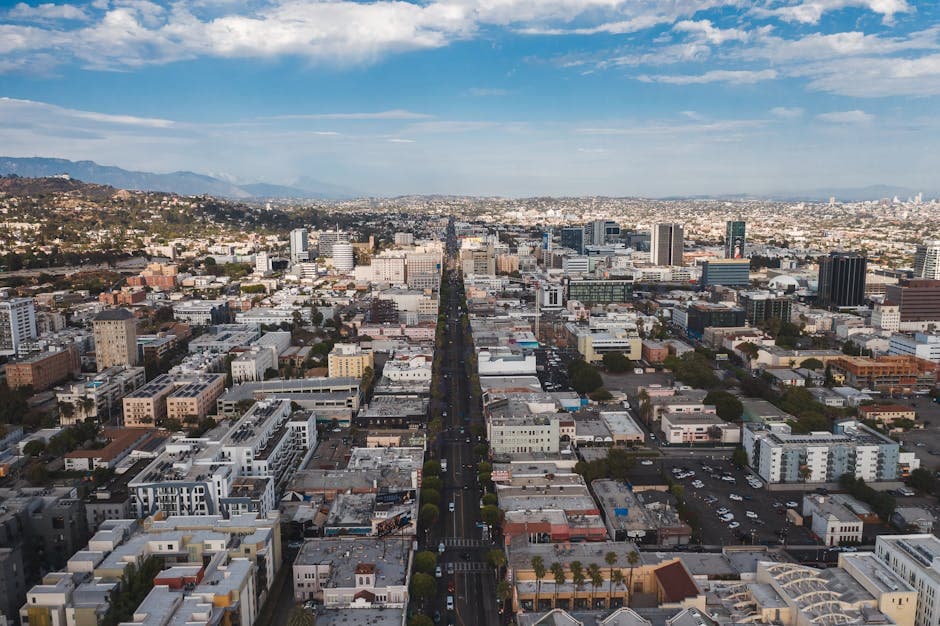
State Farm Stadium and the Westgate Entertainment District in Glendale, Arizona, against a Sonoran sunset sky.
A Glendale, Arizona Field Guide

State Farm Stadium and the Super Bowl economy.

Glendale, Arizona is the West Valley sports anchor. A city of roughly 250,000 (US Census ACS) that has hosted four Super Bowls in nineteen years (XLII in 2008, XLIX in 2015, LVII in 2023, and LXI in February 2027). It hosts the Cardinals, hosted the Coyotes, and hosts the Dodgers and White Sox each spring at Camelback Ranch. It hosts the largest entertainment district in metro Phoenix and the largest US fighter pilot training base at Luke AFB. For its restaurants, that combination produces an event economy that runs sixty weekends a year.

~250K
Glendale residents (US Census ACS)
4
Super Bowls hosted at State Farm Stadium
1.6M sq ft
Westgate Entertainment District retail footprint
~17K
Luke AFB personnel + family (USAF public affairs)
I. The Sunday

A Westgate operator. Super Bowl Sunday. 9:42 AM.

February 12, 2023 · 9:42 AM

Bar and kitchen on the Westgate plaza, three minute walk from State Farm Stadium

Kickoff is at 4:30 PM Arizona time. By 9:42 AM the dining room is at 18 covers, the patio is empty (it is 58 F outside, which counts as cold in Glendale), and the back office has already processed 312 pre-orders for tailgate pickup, 47 catering trays going to private tents in the stadium lot, and 28 hotel-room deliveries to the Renaissance across the street where the network broadcast crews are checked in for the week.

The phone has rung 41 times this hour. Forty-one calls in the Voice AI logs, thirty-six orders captured, zero calls sent to voicemail. The Spanish line picked up on the second ring eleven times. The Voice AI reads the menu, confirms the pickup time, and SMSes the receipt. The bar manager is on hold for nothing. The bar manager is restocking ice.

Yard House next door turned away forty parties last night because the wait crossed two hours by 7 PM. Saddle Ranch is on a fixed-prix Super Bowl menu and sold out by Thursday. Margaritaville is at capacity for the day already. This independent kitchen, which paid $249 last month for direct ordering and a Voice AI line, is converting Westgate plaza foot traffic into pre-orders that arrive at the kitchen printer in fifteen second increments. The Cardinals are not even playing in this game. It does not matter. The city is the host.

By 2 PM the dining room will be on a two-hour wait. By 4:25 PM the kitchen will switch entirely to pickup format for the four-hour broadcast. By 11 PM the staff will close out a day that did roughly 4.1x a normal Sunday. The owner will look at the same-day Stripe payout email on her phone and the number will arrive in her account on Monday morning, not Friday. That is the Super Bowl economy in Glendale, told in the small. It happens four times in nineteen years.

The Super Bowl is the spike. The infrastructure that handles the spike is the same infrastructure that handles the rest of the year: a Cardinals home Sunday in September, a Dodgers-White Sox split-squad spring game in March, a Garth Brooks Desert Diamond Arena run in October, an Old Town Glendale Chocolate Affaire weekend in February. The single biggest restaurant-technology mistake a Glendale operator can make is provisioning for the average week. The platform has to be built for the spike.

That is the editorial frame for what follows.

II. The four rings

Four Super Bowls in nineteen years.

State Farm Stadium opened in 2006 as University of Phoenix Stadium, was renamed in 2018, and as of 2027 will have hosted four Super Bowls in its first twenty-one years of existence. No US city of Glendale's size class has ever held that hosting frequency in a single generation. Each game is a self-contained economic event with a week-long footprint across the West Valley.

STATE FARM STADIUM. FOUR SUPER BOWLS. ONE CITY.XLII2008XLIX2015LVII2023LXI2027AWARDED. SCHEDULED.2008 · 2015 · 2023 · 2027

Super Bowl XLII

Feb 3, 2008
New York Giants vs New England Patriots
Giants 17, Patriots 14 · ~71,101

The Helmet Catch game. Eli Manning to David Tyree on the game-winning drive. Ended the Patriots' 18-0 perfect-season bid. The first Super Bowl at State Farm Stadium (then University of Phoenix Stadium).

Super Bowl XLIX

Feb 1, 2015
New England Patriots vs Seattle Seahawks
Patriots 28, Seahawks 24 · ~70,288

The Malcolm Butler goal-line interception. Brady's fourth Super Bowl ring. One of the most-watched US television broadcasts in history at the time of air.

Super Bowl LVII

Feb 12, 2023
Kansas City Chiefs vs Philadelphia Eagles
Chiefs 38, Eagles 35 · ~67,827

Patrick Mahomes' second Super Bowl ring on a high-ankle sprain. Jalen Hurts' four touchdowns. Rihanna halftime show. The first Super Bowl since the stadium's 2018 rename to State Farm Stadium.

Super Bowl LXI

Feb 7, 2027
AFC champion vs NFC champion
Scheduled · Capacity ~63,400 (~73,000 expandable)

Awarded to Glendale by NFL owners in 2024. Glendale's fourth Super Bowl in 19 years, tying or surpassing every host city outside Miami, New Orleans, and Pasadena in that window. The Westgate Entertainment District becomes the primary fan-festival footprint.

The week is the event, not the Sunday.

Super Bowl Week in Glendale starts the Monday before the game. The NFL Experience runs in downtown Phoenix at the Convention Center. The Westgate footprint hosts media-day events, sponsor activations, and corporate hospitality from Wednesday onward. Friday night and Saturday night are the largest party-volume nights in the city, with closed-vendor dinners at most Westgate restaurants and hotel-floor takeovers across Renaissance, Sheraton Crescent, and the Cambria Suites cluster.

By Super Bowl Sunday itself, the live-stadium attendance (~67,000-71,000 across the four games to date) is roughly 60% out-of-town. The Westgate plaza foot-traffic count crosses 100,000 in a single day per local press estimates. The platform a restaurant runs has to handle pre-orders booked by Tuesday for Sunday pickup, on top of walk-up volume that breaks the front-of-house phone line.

The Helmet Catch, the Butler interception, and Mahomes.

Each of the three completed Super Bowls in Glendale has produced a single iconic football moment that defines the broadcast in highlight-replay terms. Super Bowl XLII (Feb 2008) ended the New England Patriots' 18-0 perfect-season bid on Eli Manning's escape and David Tyree's helmet catch. Super Bowl XLIX (Feb 2015) ended on Malcolm Butler's goal-line interception, denying Seattle the second-straight ring. Super Bowl LVII (Feb 2023) crowned Patrick Mahomes on a high-ankle sprain in a 38-35 game.

For the restaurant economy, what matters is that all three were close, all three ran past the natural broadcast cutoff window, and all three pushed Westgate plaza occupancy and pickup-window volume past the planned operating envelope. The 2027 game (Super Bowl LXI, Feb 7, 2027) will arrive with a rebuilt Westgate plaza, a refreshed dining row, and an operator base now used to running the spike.

What the four-Super-Bowl pattern means for tech

A Glendale restaurant that picks an online-ordering platform has to assume that one Sunday in the next three years will do roughly four times its normal Sunday volume. That is not an annual surge; that is a once-per-three-year surge that arrives on a known date with a known event footprint. The technology stack has to absorb it without a re-platform: pre-orders booked five days ahead, walk-up volume on Sunday, catering trays to private tents, hotel-room delivery to the network crews, and a Voice AI line in two languages that does not hand off to voicemail. DirectOrders is built to be that stack.

III. The plaza

Westgate Entertainment District: the largest in metro Phoenix.

The Westgate Entertainment District is a roughly 1.6 million square foot open-air retail, dining, and entertainment plaza built around State Farm Stadium and Desert Diamond Arena. It is the largest entertainment district in the Phoenix metro by retail footprint, and one of the largest in the US Sun Belt that sits adjacent to a major NFL stadium. The plaza directs foot traffic between the two anchors, the Tanger Outlets next door, and the Renaissance hotel across Glendale Avenue.

LOOP 101 (AGUA FRIA FREEWAY)GLENDALE AVECARDINALSSTATE FARM STADIUM63,400 capacity (expandable ~73,000)ARENA~19,000DESERT DIAMOND ARENAWESTGATE PLAZAFountain · dining rowDINING ROWYard House · Saddle Ranch · MargaritavilleTANGER OUTLETS~85 storesRENAISSANCETeam + media hotelN

State Farm Stadium

stadium

63,400 (expandable to ~73,000) capacity. NFL Cardinals home since 2006. Four Super Bowls: XLII, XLIX, LVII, LXI (2027).

Desert Diamond Arena

arena

~19,000 capacity. Concerts, family shows, college basketball, formerly the Arizona Coyotes (NHL) through the 2021-22 season.

Westgate Entertainment District

retail

The largest entertainment district in metro Phoenix. Open-air plaza, fountain, dining row, and retail anchored between the stadium and the arena.

Tanger Outlets Westgate

retail

~85 outlet stores. Adjacent to the entertainment district. Tourism and snowbird shopping driver Oct-Apr.

Renaissance Glendale + Spa

hotel

Marriott full-service hotel directly across from State Farm Stadium. Primary game-day team and media hotel.

Westgate dining row

dining

Saddle Ranch Chop House, Buffalo Wild Wings, Yard House, Cold Beers and Cheeseburgers, Salty Sow, Margaritaville, plus independent concepts.

Sources: Visit Glendale, Westgate Entertainment District directory, Arizona Sports and Tourism Authority.

The 90-minute pre-kickoff window

Pickup pre-orders cut off ninety minutes before kickoff on Cardinals home Sundays (typically 1:25 PM or 6:20 PM in the regular season). Westgate plaza foot-traffic peaks 11:30 AM to 1:00 PM on a 1:25 start, then again post-game from 4:30 PM to roughly 7:30 PM as the crowd disperses. Restaurants that publish a clean menu with pre-order pickup windows fill both peaks. Most do not.

Concerts and family shows at Desert Diamond Arena

Desert Diamond Arena (~19,000 capacity) hosts roughly 90-120 ticketed events a year per Visit Glendale and venue press releases: country tours, pop residencies, family ice shows, Globetrotters dates, college basketball. The post-event dining window from 9:30 PM to 11:30 PM is consistently the largest single revenue hour for Westgate plaza restaurants outside Cardinals Sundays.

Tanger Outlets crossover shoppers

Tanger Outlets at Westgate (~85 stores) draws Phoenix-metro day-trippers and snowbird-season shoppers, especially November through April when room rates at the resort cluster drop and the West Valley sees its highest leisure-travel volume. Outlet shoppers convert into Westgate plaza diners at meaningful rates on Saturday afternoons.

The hotel cluster

Renaissance Glendale, Cambria Suites, Hilton Garden Inn, Residence Inn, and the Sheraton Crescent collectively run roughly 2,000 guest rooms within a three-mile radius of State Farm Stadium. On Super Bowl week the cluster sells out months ahead. On Cardinals Sundays it runs roughly 85-95% occupancy. Hotel-room delivery from Westgate restaurants is a real revenue line for operators that enable it.

IV. Camelback Ranch

The Dodgers and the White Sox, six weeks every spring.

Camelback Ranch-Glendale, a 141-acre shared MLB spring training campus that opened in 2009, is the home of the Los Angeles Dodgers and the Chicago White Sox during the Cactus League. From mid-February through late March, roughly 30 home games run across the two clubs, drawing roughly 13,000 fans per Dodgers home date and ~9,500 per White Sox home date per Cactus League Baseball Association attendance reporting.

MLB National League West

Los Angeles Dodgers

The Los Angeles spillover. SoCal fans drive 5.5 hours to Phoenix during March break or fly into Sky Harbor for a 4-day weekend. Dodgers attendance reliably tops Camelback Ranch home dates.

~13,000 average per home game (Cactus League reporting)
MLB American League Central

Chicago White Sox

Midwest snowbird crossover. Chicago-area retirees wintering in Sun City and the NW Valley layer the White Sox base with native Chicagoland travel parties.

~9,500 average per home game (Cactus League reporting)

Camelback Ranch is a different operating regime from Westgate. The campus sits roughly five miles south of the Westgate footprint on Camelback Road, near the Glendale-Phoenix boundary. The spring training crowd is older, snowbird-heavy, and concentrates pre-game and post-game dining in a three-mile radius along Camelback Road, 99th Avenue, and the Litchfield Park corridor rather than in Westgate proper. A Glendale operator near Camelback Ranch wants to be findable on Cactus League day-of-game maps, accept pre-orders five hours before first pitch, and publish a tailgate-format menu during the six-week window.

The Dodgers home dates fill faster than the White Sox dates and reliably top the Cactus League attendance leaderboards across the West Valley. The opening-weekend dates (first Friday and Saturday of Cactus League play, typically late February) book up months ahead. A restaurant that publishes a clean March-only "spring training menu" page captures the LA-spillover dollar that would otherwise land at a Goodyear, Surprise, or Peoria operator across the West Valley host cluster.

V. Luke AFB

The largest fighter pilot training base in the US.

~17,000
Luke AFB personnel + family (USAF public affairs)
F-35A + F-16
primary training airframes (56th Fighter Wing)
Glendale-W
base footprint, NW of Westgate
Active 1941
founded as Luke Field (WWII)

Luke Air Force Base, headquarters of the 56th Fighter Wing, is the largest fighter pilot training base in the United States Air Force per USAF public affairs and the 56th Fighter Wing's published mission briefings. The base, which sits roughly four miles northwest of the Westgate Entertainment District, trains the next generation of F-35A Lightning II and F-16 Fighting Falcon pilots for the US Air Force and roughly nine partner-nation air forces. Total population on and around the base, including active duty, civilian staff, contractors, and military families, runs approximately 17,000.

For Glendale restaurants, the Luke AFB community is a real and distinct customer cohort that buys differently from the Westgate event-day crowd. Squadron change-of-command ceremonies, retirement dinners, deployment send-offs, welcome-home parties, and unit pizza-night standing orders all run through catering channels rather than walk-in volume. Filipino-American families (Tagalog) are a disproportionate share of the base community per US Air Force demographic reporting; Spanish-speaking families layer the rest. A Voice AI line that picks up in Tagalog, Spanish, and English is not a customer-experience nicety on the Luke side. It is the operating default.

The catering opportunity is bigger than most operators realize. A 24-person squadron pizza night, a 75-person change-of-command lunch, and a 200-person retirement reception all book through someone's email and credit card. A restaurant that publishes a clean catering page with per-head menus, accepts deposits, and emails a single PDF confirmation will routinely capture this volume. A restaurant that pushes the inquiry to a marketplace will lose 25-30% to fees or the inquiry will not convert at all. The Luke catering tail is one of the highest-LTV channels in the West Valley.

VI. Old Town

The historic downtown that runs on chocolate, candy, and lights.

Old Town Glendale, the historic downtown grid centered on Murphy Park and the Glendale Avenue corridor, is the other half of the city's identity. It is a roughly four-by-four-block walkable district of brick storefronts, antique shops, family restaurants, and a parks-and-events programming calendar that draws hundreds of thousands of visitors a year across a handful of marquee festivals. Visit Glendale's events calendar is the source of record.

Chocolate Affaire

Early February
~80,000+

One of the largest chocolate festivals in the southwestern US. Murphy Park, two days, free admission, tasting passport. Coincides with Super Bowl host weeks in 2008, 2015, 2023, and (forecast) 2027.

Glendale Glitters Spectacular

Late November through January
~1.5M+ lights

The largest free holiday light display in Arizona, draped across Old Town Glendale and Murphy Park. The defining November-December tourism magnet for the West Valley.

Glendale Folk and Heritage Festival

February
Free admission

Sahuaro Ranch Park. Live folk, bluegrass, mariachi, and cowboy poetry. Family-format day event.

Jazz and Blues Festival

March / April
Free admission

Murphy Park. Live jazz, blues, and soul across two outdoor stages.

The Glendale Chocolate Affaire is the largest chocolate festival in the southwestern US per Visit Glendale, drawing roughly 80,000 visitors across a single February weekend. It coincides almost exactly, every year, with Super Bowl week when the game is in Glendale. The Glendale Glitters Spectacular, the largest free holiday light display in Arizona, runs from late November through the first week of January and turns Murphy Park into a 1.5-million-LED open-air museum. Add the Folk and Heritage Festival, the Jazz and Blues Festival, the Cars and Coffee shows, and the rotating Murphy Park weekend program and Old Town Glendale runs more event days per year than most independent downtowns of comparable size in the Sun Belt.

The operating reality for an Old Town restaurant is that the festival weekends do roughly three times a normal Saturday's volume, and they arrive on a fixed annual calendar. A Mexican kitchen on 58th and Glendale Avenue can plan a year in advance: Chocolate Affaire is the second weekend of February, the Jazz and Blues weekend is in late March, the Folk Festival is in late February, the Glitters lighting ceremony is the Saturday after Thanksgiving. The restaurant tech stack has to be able to fire a pre-festival SMS campaign, take pre-orders for the weekend, and stage tailgate-format pickup windows on the festival days themselves.

The other half of the Old Town opportunity is that it is independent-restaurant-dense in a way Westgate is not. Independent kitchens on 58th Drive and Glendale Avenue run cleaner unit economics than the national-chain operators on the Westgate plaza, because their lease structure is older, their building costs were paid down years ago, and their walk-in lunch traffic is consistent enough to support a real direct-ordering operation. A flat $249-per-month commission-free platform makes more economic sense for the Old Town operator than for almost any other restaurant typology in the metro.

VII. The outlet economy

Tanger Outlets and the West Valley shopper.

~85
outlet stores (Tanger Glendale directory)
Nov-Apr
peak shopper season (West Valley leisure travel)
Saturday
highest single-day foot traffic

Tanger Outlets at Westgate, on the north side of the Westgate Entertainment District, runs roughly 85 outlet retailers across a two-floor open-air format. It is the West Valley's primary destination outlet center and one of the higher-traffic Tanger properties in the Sun Belt. The shopper economy that Tanger generates is meaningful for adjacent restaurants because outlet shopping is a long-format visit (a four-to-six-hour day) with a near-certain dining stop bookended at lunch or post-shop dinner.

The conversion ratio that local operators track informally is that roughly 30-40% of Tanger weekend shoppers will dine somewhere within the Westgate plaza or the 95th and Glendale corridor on the same visit, with the highest concentration at the food-court-adjacent fast-casual operators and the Westgate plaza family-dining row. The opportunity for an independent operator is the same as it is for an outlet anchor mall in any US Sun Belt market: be findable on the maps app, publish a clean takeout menu, and accept pre-orders at the wallet stage of the shopping trip rather than at the hangry stage after.

VIII. Heat

The 105-degree window arrives here too.

Glendale sits inside the same Sky Harbor climate envelope as the rest of the central Phoenix metro: roughly 100 days per year above 100 F per NOAA Phoenix Sky Harbor 1991-2020 normals, July average daily highs near 107 F, monsoon dust storms and microbursts running July through mid-September. The seasonal operating inversion that defines the Phoenix metro applies to Glendale with one important difference: the West Valley event economy keeps running through the summer because Cardinals preseason camp opens in late July, Desert Diamond Arena programs concerts year-round, and Westgate plaza operates inside HVAC year-round.

The summer operating envelope for a Glendale restaurant looks like this: patios closed mid-May through mid-October, delivery share rising from roughly 30% in April to roughly 70% in August, Cardinals open-camp footprint adding a quieter but real Saturday volume window in late July, monsoon outage planning required for the eight-week peak window in July and August. A 90-minute monsoon storm that knocks out power to the Westgate plaza on a Friday night is not a hypothetical. It is an annual event. The operator's SMS list (cloud-hosted, customer-owned, language-segmented) is the only infrastructure that handles the communication side of that outage.

For deeper coverage of the seasonal inversion, the 105-degree threshold, and the monsoon operating playbook, see the Phoenix field guide. The Glendale-specific footnote is that the Westgate event calendar absorbs more summer volume than the Phoenix metro average, which makes the delivery share curve here slightly flatter than the central Phoenix curve.

IX. Two languages on the line

Glendale picks up in Spanish on the second ring.

Roughly 36% of City of Glendale residents identify as Hispanic or Latino per the US Census Bureau ACS 2024 one-year estimates. That share climbs higher in the Maryvale-adjacent neighborhoods south of Bethany Home Road and across the Glendale-Avondale-Tolleson corridor. Tagalog, Vietnamese, and Korean cluster in meaningful concentrations around Luke AFB family housing and along the 67th Avenue retail strip.

Spanish

~36% of Glendale residents

South Glendale, the 51st Avenue corridor, and the Maryvale-adjacent neighborhoods are where the taqueria and Sonoran-kitchen density concentrates. Voice AI in Spanish handles weekend lunch volume that English-only phone lines route to voicemail.

Tagalog

Luke AFB families

Filipino-American families cluster around Luke AFB housing and along the 67th Avenue retail strip. Family-platter ordering (lechon, pancit, lumpia) defines the weekend-volume cadence. Voice AI in Tagalog converts squadron and family-event traffic that competitors lose to voicemail.

Vietnamese / Korean

West Valley clusters

Smaller but real Vietnamese and Korean clusters along the 59th Avenue and Bell Road retail strips. Bowl-format pho and Korean BBQ are the categories where multi-language Voice AI captures meaningful weekend lift.

Why Voice AI is the West Valley default

A bilingual receptionist in Glendale costs roughly $18-$22 per hour fully loaded plus benefits. A Tagalog-fluent receptionist costs more and is harder to find. Most independent kitchens cannot staff a second language line. So the second-language phone orders go to voicemail. And voicemail orders convert at roughly 9-12% in our metro data. Voice AI in four languages picks up on the second ring, reads the menu by category, takes the order, fires the ticket to the kitchen printer, sends the SMS receipt, and dispatches Uber Direct if delivery is needed. The economics are not close.

X. The thesis

How DirectOrders fits Glendale.

The argument is not that DirectOrders is a generic restaurant ordering platform that happens to work in Glendale. The argument is that the specific stack we ship is the one stack we know of that handles the State Farm Stadium event spike, the Cactus League surge at Camelback Ranch, the Luke AFB catering tail, the Old Town Glendale festival weekends, and the Westgate plaza pre-order rhythm together, on a flat $249-per-month commission-free price.

1. Built for the spike

Super Bowl Sunday, no re-platform.

The order ledger that takes 312 pre-orders for Super Bowl Sunday by Wednesday afternoon is the same ledger that takes 41 orders on a Tuesday in August. No engine swap. No fee surge. No marketplace hand-off. The infrastructure scales with the day.

2. Four-language Voice AI

Spanish on the second ring.

English, Spanish, Tagalog, and Vietnamese on one back end. Picks up on the second ring. Reads the menu by category. Takes the order. SMSes the receipt in the customer's language. Routes the ticket to the kitchen printer without staff intervention.

3. Uber Direct + DoorDash Drive

Dispatch, not commission.

Hotel-room delivery to the Renaissance, the Cambria Suites, and the Hilton Garden Inn cluster during Super Bowl week. Pay the per-trip dispatch fee, not the 30% marketplace commission. Roughly $7-$12 per trip in Glendale instead of marketplace economics.

4. Catering inbox

Luke AFB squadron orders.

A clean catering page with per-head menus, deposit capture, and a single PDF confirmation. The 24-, 75-, and 200-person Luke orders close without a phone call. The change-of-command lunch books forty-five days out.

5. Same-day Stripe payouts

Sunday sales, Monday bank.

Super Bowl Sunday sales arrive in the operator's bank account on Monday morning, not Friday. Cactus League Saturday sales arrive on Monday. The working-capital gap shrinks from a week to a day. The cash flow matches the calendar.

6. Customer file you own

The festival list stays in your file.

Every direct order writes the customer record to your database with home zip, language preference, and order history. The Chocolate Affaire SMS list rebuilds every February on a list you own. Snowbird Sun City customers stay in your file through the October return.

The stack a Glendale operator wants.

Flat $249/month. Commission-free direct ordering. Four-language Voice AI on the second ring. Uber Direct and DoorDash Drive dispatch on demand. Same-day Stripe payouts. A customer database that survives the Cactus League and the Super Bowl week alike. Fifteen capture channels on one order ledger. Built once, runs every Glendale Sunday in the calendar.

XI. Coda

Four Super Bowls. One restaurant stack.

Glendale spent the first half of its modern history as a farming town. Sahuaro Ranch and the citrus groves anchored the economy until the postwar decades. In 2006 the Cardinals opened a stadium on Glendale Avenue and the city's economic identity shifted inside of one calendar year. Two years later the first Super Bowl arrived. The pattern that followed (four games in nineteen years, plus two MLB spring training tenants, plus a 19,000-seat arena, plus the largest entertainment district in the metro, plus the largest fighter pilot training base in the country) is a city that figured out it could be the West Valley's host venue and shaped its infrastructure around the role.

Restaurant operators here have been doing the same thing since 2006: shaping their kitchens around the spike. The dining-room count in Glendale on a Tuesday in October says nothing about the dining-room count on a Cardinals home Sunday or a Camelback Ranch Saturday or a Chocolate Affaire weekend or a Super Bowl Friday. The stack the kitchen runs has to absorb all of them on the same software, with no migration window between the regimes.

DirectOrders is built for that pattern. Flat $249/month. Four languages. Fifteen channels. Same-day payouts. Built for State Farm Stadium and the chocolate festival, the Dodgers and the F-35 squadron, the Westgate Plaza and Murphy Park. Same software. Same Glendale kitchen.

Sources and citations

Pre-order and pickup-window volume claims, hotel-room delivery rates, and event-day revenue multiples are drawn from the DirectOrders metro panel for the West Valley and operator interviews across the Westgate and Old Town footprints. All cited population, hosting, and event-calendar figures are from the primary sources linked above.

Keep exploring

More Arizona cities and nearby markets

All Arizona cities →