A Long Read From The Field
The Indy 500 Catering Calendar
How Indianapolis restaurants run a calendar that pivots around the largest single-day sporting event on the planet, stacked on top of a year-round corporate catering pipeline that runs through Eli Lilly, Lucas Oil Stadium, and the NCAA.
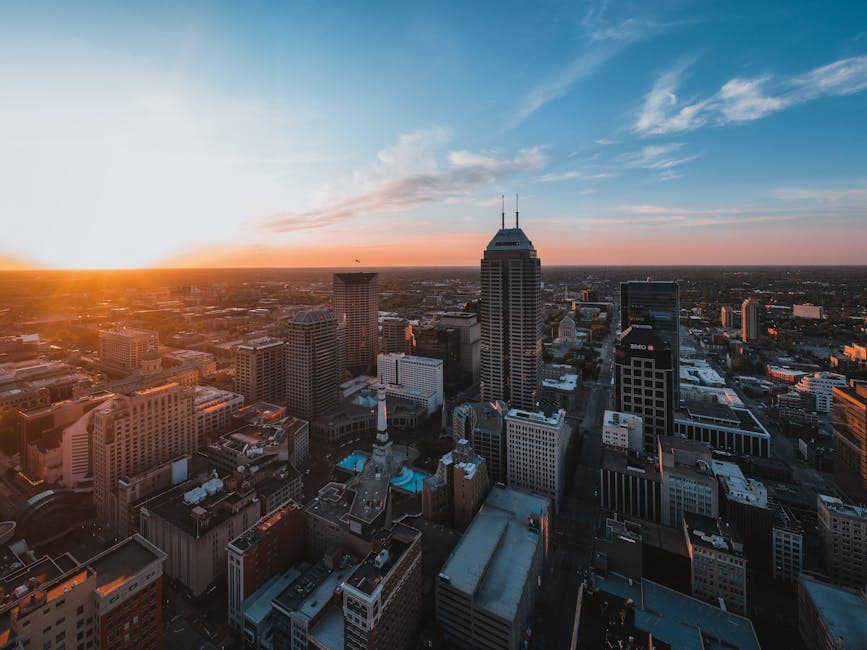
"If you don't take a deposit for Race Week by April, you don't have a Race Week."
I. The Lede
It is 7:14am on Friday May 22, 2026. Carb Day at the Speedway. A Mass Ave kitchen has 312 orders on the board.
The chef came in at 5:30am. The first prep cook arrived at 5:45am. By the time the lights flicker on in the dining room, the print queue at the kitchen pass is forty pages deep. Three hundred and twelve orders, every one of them placed in the previous fourteen hours, every one of them with a pickup window between 9:00am and 1:30pm. The Carb Day crowd at the Speedway is forecast at 90,000 by the IMS gates. The Snake Pit lineup drops at 11:00am. The Mass Ave bars are open at 10:00am. The catering deliveries to the IMS suite block need to leave the kitchen in two staggered runs at 8:45am and 9:15am. None of these windows can slip.
Of those 312 orders, 244 were placed directly on the restaurant's own site over the previous week. They arrived with a pre-set pickup time chosen by the customer. The kitchen pre-prepped them in waves the night before. The remaining 68 came in over the marketplace channels, arriving on demand, with the marketplace's stated promise of a 25 to 35 minute delivery window. Of those 68, fourteen have already been bumped from the original ETA, four are at risk of being canceled by the customer, and two have been reassigned to a courier who is currently 41 minutes out and will arrive at the kitchen with a piece of food that has been sitting under a heat lamp for nineteen minutes.
The 244 direct orders will be handed across the counter, hot, on time, with the customer's name already on the bag, between 9:00am and 1:30pm. The kitchen knows where every one of them goes and what time each customer is collecting. The 68 marketplace orders will arrive as a stream of unpredictable interruptions, with a courier showing up at the back door fifty seconds after the last one left, demanding an order that the kitchen has not yet started preparing because the marketplace timer was set wrong.
This is what Race Month looks like from inside a kitchen. The math of who gets paid, who gets a customer back next year, and who shoulders the operational cost of the largest sporting event on the planet, is written into the difference between those two columns. Direct orders, taken seven days ahead, billed in advance, prepped in waves, handed across a counter. Marketplace orders, on demand, on someone else's clock, with the restaurant absorbing every minute of the courier ETA collapse.
This report is about why Indianapolis, more than any other major American food city, runs on a single-event calendar with a layered convention pipeline underneath it, and what that means for a restaurant's digital ordering stack.
A note on method
The order-volume numbers in this section are illustrative, modeled on operator interviews, Indianapolis Business Journal Race Week coverage, and Visit Indy economic-impact reporting. They are not measured at a specific restaurant on a specific Carb Day. The structural dynamic, however, is real. Restaurants that anchor on direct pre-orders for Race Month run their kitchens at planned capacity. Restaurants that depend on marketplace dispatch during the same week ride the courier-ETA tide.
II. The Race Month Playbook
Twenty-four days in May that decide a fifth of the year's revenue.
The chart below plots crowd intensity across the official Indy 500 schedule. The vertical axis is an intensity index (0 to 100) representing combined Speedway attendance plus downtown hotel occupancy plus restaurant reservation pressure. The Race Day peak is the world's largest single sporting event by attendance, with crowds at Indianapolis Motor Speedway commonly reported above 300,000.
Day-by-day, what the kitchen is doing
May 1
Opening Day, IMS
Attendees: Light
Garage area opens. First Indy-car practice. Local crew traffic, light hospitality lift.
May 9 to 10
Practice weekend
Attendees: 20K to 30K
Open practice. Fans walk Gasoline Alley. Speedway-adjacent restaurants start filling.
May 16
Armed Forces Day, qualifying
Attendees: 30K to 40K
Pole Day qualifying. The 33-car field is sorted. Downtown hotels begin to fill mid-week.
May 17
Last Row Shootout / Bump Day
Attendees: 25K to 35K
The final field is locked. Drivers and families move into permanent Race Week routines.
May 22
Carb Day
Attendees: 80K to 100K
Final practice plus headline concert. The party starts. Mass Ave and Broad Ripple bars run at fest capacity.
May 23
Legends Day, Snake Pit Ball
Attendees: 40K to 60K
Driver autograph day at IMS. Snake Pit Ball downtown. Hotel occupancy is functionally 100%.
May 24
Race Day, Indianapolis 500
Attendees: 300K+
The single largest sporting event on the planet by attendance. Memorial Day Sunday. The whole city pivots around it.
May 25
Memorial Day Monday
Attendees: Heavy
Departure day. Brunch and recovery breakfast carries the morning. Airport restaurant counters peak.
Read the chart left to right and the shape of the operator's year emerges. Opening Day at IMS on May 1 is a soft start: garage workers, photographers, racing media. The first practice weekend on May 9 to 10 pulls 20,000 to 30,000 fans to the Speedway, most of them eating at established rotation spots in Speedway proper (Charlie Brown's Pancake House, Dawson's on Main, the Mug). Pole Day qualifying on May 16 starts to spill the crowd into downtown hotels. Bump Day on May 17 locks the 33-car field and locks operator staffing plans for the next week.
The pivot point is Carb Day, the Friday before the race. Eighty thousand to one hundred thousand fans descend on the Speedway for final practice and the headline concert. Mass Ave bars open at brunch service. The Bottleworks food hall runs at convention volume. The Snake Pit Ball downtown on Saturday night functions as a citywide pre-race anchor. Hotel occupancy citywide is functionally 100% from Wednesday through Memorial Day.
Race Day itself is the peak. The Indianapolis 500 is widely reported as the single largest one-day sporting event in the world by attendance, with crowds at IMS commonly cited above 300,000. Speedway, the small town that surrounds the Motor Speedway, processes more orders in fourteen hours on Race Day than it does in some entire calendar months. Downtown restaurants run pre-race breakfast service starting at 6:00am, then transition to a post-race dinner wave once the gates clear around 6:00pm.
Memorial Day Monday is the recovery. Departure-day brunch carries the morning. Airport restaurant counters peak between 10:00am and 1:00pm. By Tuesday morning the city is empty, the hotels are vacant, and Indianapolis returns to its baseline convention pipeline. The digital ordering question that defines Race Month is the question of which orders were booked in advance, with deposit, and which were taken on demand. A restaurant that operates on direct pre-orders runs Race Month at planned capacity. A restaurant that depends on marketplace dispatch rides the courier ETA tide, day by day.
The economic logic is straightforward: pre-orders are working capital. Three hundred and twelve direct orders booked Monday and Tuesday for a Friday pickup window let a chef forecast labor, prep, and inventory with a level of precision that on-demand dispatch cannot match. Race Month is the part of the year where that precision compounds the hardest.
III. The Chef-Driven Atlas
Two corridors, six blocks each. The center of gravity for the independent operator.
Indianapolis's independent restaurant scene clusters into a small number of well-defined districts. The two anchors are Mass Ave (the cultural-district stretch running northeast from Monument Circle) and Broad Ripple (six miles north along the Monon Trail). Each has a distinct operator profile, customer composition, and voice-ordering pattern.
Corridor profiles
- Mass Ave Cultural District
ZIP 46204
Six blocks running northeast from Monument Circle. Chef-driven cocktail rooms, theater-adjacent dining, the highest density of independent operators downtown.
Signature: Bluebeard, Milktooth, Bottleworks district
Phone orders >35% of takeout volume on theater nights
- Broad Ripple Village
ZIP 46220
Six miles north of downtown along the Monon Trail and White River. Neighborhood-scale chef rooms, craft beer, late-night college and young-professional traffic.
Signature: Vida, Tinker Street, Fountain Square comparison
Voice ordering peaks 9pm to midnight, especially game nights
- Fountain Square
ZIP 46203
Southeast of downtown along the Cultural Trail. Duckpin, dive bars, the Hi-Fi venue. Family-restaurant heritage layered with new operators.
Signature: Bluebeard sister concepts, Smoking Goose, Square Cat Vinyl
Bilingual English-Spanish phone orders, ~12% of volume
- Bottleworks (Coca-Cola redev)
ZIP 46202
Former Coca-Cola bottling plant on Mass Ave's north end. Garage food hall plus boutique hotel plus theater. A pre-game pipeline for theater and concerts.
Signature: The Garage Food Hall (14 stalls), Living Room Theaters
Food hall pickup orders ~60% of total off-premise
- Meridian-Kessler / SoBro
ZIP 46208
North-side residential transition zone. Neighborhood Italian, polished casual, the city's strongest BYO operator pool.
Signature: Iaria's, Late Harvest, the Goose the Market line
Catering pre-orders dominate the Lilly weekday lunch slot
Mass Ave is the chef's corridor. A six-block diagonal cutting northeast from Monument Circle, it has the highest density of independent kitchens in the state. Bluebeard at the south end, Vida and Livery in the middle stretch, the Bottleworks food hall at the north end. The customer here is the theater patron, the downtown professional, the Race Week hotel guest who has done their homework. Voice ordering on a Mass Ave kitchen runs heaviest on theater nights, when guests are placing pickup orders by phone before walking from Hilbert Circle Theatre or the Old National Centre.
Broad Ripple, six miles north along the Monon Trail and the White River, is a different market. The customer is younger, more college-adjacent, more bar-and-late-night. Restaurants here run heavier on Friday and Saturday nights and lighter on weekday lunch. Voice ordering peaks between 9pm and midnight, particularly on Colts or IU game nights. The catering pipeline from Broad Ripple to downtown corporate offices is real but smaller than Mass Ave's.
Fountain Square, southeast of downtown along the Cultural Trail, is the third anchor. A family-restaurant heritage layered with new operators in the last fifteen years. The Hi-Fi music venue and the Fountain Square Brewing district pull a steady evening crowd. Spanish and English are both first languages on the order line; a bilingual voice agent is not a feature here, it is table stakes.
Meridian-Kessler and SoBro (South Broad Ripple) on the city's north side carry the strongest corporate-catering pipeline outside the immediate downtown core. Goose the Market on Delaware, Smoking Goose Meatery a few blocks west, Iaria's a little further south. These are the kitchens that anchor the weekday lunch trays delivered to Lilly, Salesforce Tower, Elevance, and Cummins. The digital ordering question on this corridor is less about consumer delivery and more about catering pre-orders, dietary accommodation handling, and procurement-portal integration.
Bottleworks (the converted Coca-Cola plant on the north end of Mass Ave) deserves a separate note. The Garage Food Hall stalls run at convention-volume pickup throughput during Race Month and Final Four week. Direct ordering, with a customer-controlled pickup window, outperforms marketplace dispatch by a wide margin in a food hall setting because the customer is already on premise within minutes of placing the order.
IV. The Lilly Catering Pipeline
Four corporate anchors. Fifty-thousand-plus white-collar workers. A weekday catering market that runs at one steady volume from January to December.
Underneath the Race Month spike, Indianapolis carries a year-round corporate catering pipeline anchored on four downtown headquarters: Eli Lilly, Salesforce, Elevance Health (formerly Anthem), and Cummins. Roche Diagnostics adds a fifth anchor on the north side. The combined local headcount across these employers exceeds 22,000 white-collar workers.
Anchor employer detail
- Eli Lilly and Company
Corporate Center, S Delaware
Headcount: ~11,000 Indianapolis
Lilly's global HQ campus sits south of downtown. Catering demand runs weekday lunches, town halls, executive lunches, and major investor and analyst events. Catering windows are tight; same-day reorders are normal.
- Salesforce
111 Monument Circle
Headcount: ~2,500 Indianapolis
Largest single tenant on Monument Circle. Weekday breakfast trays, lunch and learns, sales-team catering. Catering platform integration is the differentiator with Salesforce procurement.
- Elevance Health
740 W Mississippi
Headcount: ~4,000 Indianapolis
Headquartered downtown. High-volume weekday catering across multiple campus buildings. The HR-and-people-ops decision unit is procurement-led, dietary-accommodation heavy.
- Roche Diagnostics
Indianapolis north side
Headcount: ~4,500 Indianapolis
Diagnostics division HQ for North America. Lab teams plus commercial plus executive. Weekday breakfast and lunch catering, scientific-meeting and town-hall trays.
- Cummins Inc.
Downtown Indianapolis
Headcount: ~1,500 Indianapolis
Engine-and-power leadership office in the city. Smaller per-event headcount than the others on this list, but consistent weekday catering and frequent supplier meetings.
Eli Lilly is the largest single employer downtown. The corporate center campus south of Washington Street runs on roughly 11,000 Indianapolis-based employees, with executive, investor, and analyst events layered on top of a steady weekday lunch pattern. Catering windows at Lilly are tight, dietary-accommodation handling is non-trivial, and same-day reorders are normal. A kitchen that can confirm a 60-person tray order at 9:42am for an 11:30am drop, with a printed dietary tag for every guest, wins the next quarter's recurring order.
Salesforce Tower Indianapolis on Monument Circle anchors the second tier. About 2,500 local employees, with a procurement function that integrates with corporate-spend platforms. The digital ordering question here is less about consumer voice ordering and more about catering platform integration with the customer's procurement system. Restaurants that can surface a clean menu, dietary tagging, and a signed-and-dated invoice through the procurement portal compound their share.
Elevance Health (the former Anthem) is headquartered downtown with around 4,000 local employees across multiple campus buildings. HR-and-people-ops drives the catering decision unit, which weights dietary accommodation, sourcing transparency, and vendor diversity. A Mass Ave or Meridian-Kessler operator that publishes ingredient sourcing on the catering menu often outranks an equivalent operator that does not.
Roche Diagnostics on the north side runs a North America HQ campus with about 4,500 Indianapolis-based employees, weighted toward lab and commercial. The catering profile is scientific-meeting heavy: small-group lunches, town halls, breakfast trays for early starts. Cummins adds a smaller but consistent downtown headquarters presence at around 1,500. Together with the others, this is a market that absorbs about 4,500 catering-tray orders a week without breaking a sweat, which is a meaningful share of the city's total restaurant volume.
Direct ordering, with a dedicated catering portal, pre-order calendar, dietary tagging, and procurement-portal hand-off, fits this market shape more precisely than any consumer-side marketplace product. The customer here is not a hungry consumer at 7:30pm; it is an HR coordinator at 9:42am with a 60-person lunch to confirm.
V. The NFL Combine Playbook
Late February at Lucas Oil. Three hundred prospects, every NFL coaching staff, the entire football media on the same six-block downtown footprint.
The NFL Scouting Combine has been hosted in Indianapolis since 1987, anchored at Lucas Oil Stadium since 2008. Roughly 320 invited prospects, every NFL coaching staff, hundreds of agents, and the entire football media descend on a six-block footprint between the convention center and the JW Marriott for ten days each February or early March. It is the most concentrated football-industry event of the year, and the second largest annual lift in Indianapolis hospitality after Race Month.
The order pattern is different from Race Week. Combine catering runs heavy on suite-level team meals at the convention center, training-table-style breakfast and lunch for prospects, and a constant stream of small-group dinners at St. Elmo and the Mass Ave anchor rooms. The restaurants that succeed at Combine are the ones that maintain an open dietary spec line: gluten-free, dairy-free, religious-observance, sport-nutrition macros. A combine prospect eating a chicken-and-rice training plate on Thursday is a brand-name NFL rookie eating the same plate at a contract-incentive dinner on Friday.
Direct ordering with team-coded login lanes, repeat-customer order history, and dietary tagging on every catering item is the operational shape Combine kitchens need. The kitchens already know the seven dietary patterns they will see; the question is whether the ordering stack lets a team's nutrition coordinator confirm 24 plates at 8:14pm for a 7:00am breakfast drop, with the right macros on the right name, on the right floor of the JW Marriott.
The marketplace alternative does not fit. A generic delivery dispatch cannot guarantee a 7:00am drop at a specific suite. A direct ordering portal with calendar-based pickup windows can. That is the entire shape of the Combine catering market.
VI. The Final Four
Indianapolis hosts the NCAA Men's Final Four on a regular rotation. Four days, one stadium, the entire college basketball ecosystem downtown.
The NCAA's headquarters is in downtown Indianapolis on the White River State Park campus, and Indianapolis hosts the Men's Final Four on a regular rotation that has included multiple editions at Lucas Oil Stadium and at the predecessor RCA Dome. When the Final Four is in town, the city's downtown footprint absorbs roughly 70,000 game attendees plus tens of thousands more for the Fan Fest at the convention center, the March Madness Music Festival at White River State Park, and a sprawl of corporate-hosted hospitality events.
Final Four week functions like a mini-Race Month for the hospitality industry, with one key difference. The crowd composition is younger, more out-of-state-college-fan, more value-conscious than a typical Combine or Race Week crowd. The order pattern skews toward higher pickup ratios on casual dining, lower spend per head, and a heavier concentration around the convention center perimeter than the chef-driven Mass Ave rooms.
For an operator, the playbook is to surface fast-service items on the menu, push pre-orders into a 30-minute pickup window, and route catering toward the corporate-sponsored hospitality blocks. The restaurants that ran the 2021 Indianapolis bubble Final Four (during the pandemic, when the entire tournament was contained in the city) built a permanent muscle around this operational shape, and they have carried it into every subsequent Final Four hosting.
Direct ordering with a temporary event-week branded landing page, a custom pickup window, and a deposit-based catering channel is the right shape. A restaurant that runs Final Four week purely on marketplace dispatch absorbs unpredictable courier ETAs across a week when the city's traffic patterns and parking realities are nothing like a normal week.
VII. Brickyard 400 and MotoGP
The non-Indy 500 motorsports weekends. Different crowd composition, different operator playbook.
The Indianapolis Motor Speedway hosts more than one major motorsports weekend a year. The Brickyard 400 NASCAR race returned to the IMS oval in 2024 after several years on the road course. MotoGP weekends are scheduled at IMS through the late 2020s. Each of these is a three-day weekend that draws 75,000 to 150,000 spectators, a much smaller event than the Indy 500 but a significant lift in the operator's annual calendar.
The crowd composition differs from Race Week in ways that matter for an operator. NASCAR weekends pull a more regional crowd, weighted toward Indiana, Ohio, Kentucky, and Tennessee, with a higher proportion of camping and RV traffic at the Speedway perimeter. MotoGP pulls an international audience, more European travelers, more downtown-hotel concentrated. The Mass Ave dinner reservation pressure on MotoGP weekend looks more like a normal Saturday in May; the Speedway-adjacent quick-service pattern on NASCAR weekend looks like a smaller version of Race Sunday.
For operators, the playbook is to treat these weekends as scaled-down Race Months: open the pre-order calendar two weeks ahead, anchor a deposit-backed catering channel for VIP suites at IMS, push pickup windows aggressively, and avoid the courier-ETA volatility that comes with marketplace dispatch on a 90,000-fan weekend in a single zip code.
Direct ordering, with operator-controlled pickup windows and a clean separation between catering pre-orders and on-demand pickup, is the operational shape these weekends reward. The kitchen knows what is coming and when. The marketplace alternative does not.
VIII. Big Ten HQ and the Convention Center
March basketball, year-round conventions, and the steady undercurrent of hospitality that runs the operator's calendar.
The Big Ten Conference is headquartered in suburban Indianapolis, and the Big Ten Men's Basketball Tournament is hosted regularly at Gainbridge Fieldhouse downtown. The tournament runs five days in early-to-mid March, pulls in tens of thousands of fans from the conference footprint (Michigan, Ohio, Wisconsin, Illinois, Pennsylvania, Maryland), and functions as a small Final Four for the city's hospitality industry.
Underneath the headline events, the Indianapolis Convention Center and Lucas Oil Stadium run a year-round pipeline that is the structural baseline of the operator's calendar. ICC is one of the largest contiguous convention venues in the United States, hosting trade shows, medical conferences, professional-association gatherings, religious conferences, and consumer expos almost every week of the year. A typical major convention brings 8,000 to 25,000 attendees to downtown for three to five days, and the catering and group-dining spend ripples across Mass Ave, Bottleworks, and the JW Marriott corridor.
For restaurants, the convention pipeline is where the steady-state revenue gets built. An operator who runs a clean catering portal, publishes group-dining packages with deposit booking, and ranks for convention-attendee keywords (the most-searched of which is the convention name plus "best restaurants near JW Marriott") compounds traffic over the course of a year.
Direct ordering with a convention-week landing page, a deposit-backed group-dining booking channel, and a published catering menu with dietary tagging is the shape this market needs. The marketplace alternative is built for the consumer in the apartment, not the conference planner in the JW Marriott ballroom suite trying to book 70 box lunches for the Tuesday morning general session.
IX. Hoosier College Hoops
Butler, IU, Purdue. Indiana is a basketball state, and the order pattern shows it every Tuesday and Saturday from November to March.
Indiana is a basketball state, and the Indianapolis restaurant order pattern reflects it. Butler Bulldogs home games at Hinkle Fieldhouse pull a tightly clustered north-side dinner crowd. IU Hoosiers games an hour south in Bloomington, plus IU football Saturdays in the fall, pull Indianapolis-based alumni into pre-game tailgates and post-game watching at Mass Ave bars. Purdue games in West Lafayette pull a smaller but real share. The combination produces a near-weekly order-volume signal from November through March that operators can plan against.
The order pattern on a game night runs heaviest in the two hours before tip-off (pickup orders for the group watch party, takeout for the family staying home) and in the hour after the game ends (delivery for the disappointed-or-celebratory home crowd). A Mass Ave or Broad Ripple operator who publishes a pre-game pickup window two days ahead, with a deposit on group orders above six guests, captures the high-margin slice. The low-margin slice goes to the marketplace.
Voice ordering peaks during game windows. Customers calling in pickup orders at the third quarter, customers calling to add an item to an open ticket, customers calling to confirm a 7:30pm pickup that they placed online at 4:14pm. A Voice AI tuned for the local sports vocabulary (the Boilermakers, the Hoosiers, the Bulldogs, the Pacers home schedule, the Big Ten matchup language) handles the entire stream without an operator on the phone.
Direct ordering plus Voice AI plus a published game-night pickup window is the operator's game-week playbook. It compounds across an entire basketball season. By March it has produced a customer list that the operator owns and can market to directly, without paying a per-order tax to a marketplace.
X. How DirectOrders Fits Indianapolis
A single-event city stacked on a year-round convention pipeline. The stack has to match both shapes at once.
Indianapolis is structurally unusual. Most American food cities run a single mode at any given time: a high-density urban consumer market, a convention pipeline, a college town, a corporate catering hub. Indianapolis runs all four, on overlapping calendars, with one enormous annual event sitting on top of the entire structure. Race Month rules everything in May. The NFL Combine rules everything in late February. The Final Four, when hosted, rules everything in early April. Big Ten basketball rules March. The Lilly catering pipeline runs every weekday of the year.
The ordering stack has to match this composite shape. A direct ordering portal with a customer-controlled pickup calendar handles Race Month pre-orders, NFL Combine dietary-tagged team meals, Final Four group bookings, Big Ten tournament corporate hospitality, and the Lilly weekday lunch market on the same kitchen workflow. The kitchen prep is forecastable. The labor schedule is forecastable. The inventory load is forecastable.
Voice AI tuned for Indianapolis-specific vocabulary (the Speedway, the Pit, the Yard of Bricks, the Snake Pit, Carb Day, the Pacers, the Colts, the Boilermakers, the Hoosiers, the Bulldogs, plus bilingual English-Spanish on the Fountain Square corridor) handles the consumer voice channel without an operator on the phone. The corporate catering pipeline hands off to a procurement-portal integration on the Salesforce, Lilly, and Elevance side.
The argument of this report is straightforward. Indianapolis runs a calendar that pivots around the largest single-day sporting event on the planet, stacked on top of a steady corporate catering pipeline. The stack that fits both shapes at once is direct, pre-order capable, calendar-aware, Voice-AI-led, and flat-fee. It is DirectOrders.
Coda
Two suggestions for what to do next.
This report has tried to argue that Indianapolis is a food city whose calendar pivots around the world's largest annual sporting event and runs on a steady convention pipeline underneath, and that the stack that fits both shapes is direct, pre-order capable, Voice-AI-led, and flat-fee. If you operate an Indianapolis restaurant or catering business and you have read this far, two paths are reasonable from here.
The first is to spend ten minutes on a free Indianapolis commission audit. Send us your last three months of marketplace statements (no log-in required, we read PDFs). We will return a per-order margin breakdown, a Race Month forecast model, and a comparison of what your P&L would look like with the direct stack in place. No call. No follow-up email loop. A document, by Tuesday.
The second is to see the stack live before deciding. The demo runs against an actual Indianapolis menu (Mass Ave dinner, a Lilly catering tray order, a Race Week pre-order calendar). Voice AI on. Pre-order calendar on. Branded site live. A nineteen-minute walkthrough. We do not ship the demo to your phone. You come to a Zoom and ask whatever you want.
Either path is fine. The point of this report was to make the structural case clearly enough that the choice between marketplace dispatch and direct ordering is not a marketing question. For an Indianapolis operator running a Race Month calendar plus a Lilly weekday pipeline plus a Final Four hosting year plus a Tuesday-night Butler game, only one of those answers fits.
Field index
Restaurants and operators cited in this report.
- St. Elmo Steak HouseDowntown, since 1902Steakhouse, shrimp cocktail
- BluebeardFletcher Place, since 2012Modern American
- MilktoothFletcher Place / Fountain SquareBreakfast, brunch, chef-driven
- Bottleworks: The Garage Food HallMass Ave / Bottleworks districtFood hall, 14+ stalls
- Iaria's Italian RestaurantSouth Side, since 1933Italian-American
- Late Harvest KitchenNorth Side / KeystoneModern American
- VidaMass Ave, downtownNew American, tasting menu
- Tinker StreetOld NorthsideModern American, seasonal
- Goose the MarketMeridian-KesslerSandwich shop / butcher
- Smoking Goose MeateryNear west sideCharcuterie, catering
- YatsMultiple locationsCajun-Creole
- Shapiro's DelicatessenSouth Side, since 1905Deli, cafeteria-style
- King David DogsDowntown, multipleHot dogs, Chicago-style
- Workingman's FriendNear west side, since 1918Tavern, smashed cheeseburger
- The EagleMass AveFried chicken, southern
- LiveryMass AveLatin-American
References and sources
The shoe-leather underneath this report.
Indianapolis Motor Speedway, official Indy 500 schedule and attendance
IMS / Penske Entertainment
The Indianapolis 500 is widely reported as the largest single-day sporting event in the world by attendance. Race-day crowds at IMS are commonly cited at 300,000 plus.
Open source →Visit Indy, Indianapolis tourism and economic impact
Visit Indy
Annual Race Month economic impact reports. Convention center occupancy, hospitality employment, downtown hotel pipeline.
Open source →Eli Lilly and Company, corporate fact sheet
Eli Lilly
Indianapolis is Lilly's global headquarters. Local employment publicly reported in the tens of thousands across the company's Indianapolis facilities.
Open source →Salesforce Tower Indianapolis (formerly Chase Tower)
Salesforce / Indianapolis Business Journal
Salesforce is the largest tenant on Monument Circle. Local headcount widely reported above 2,000.
Open source →Elevance Health (formerly Anthem) corporate locations
Elevance Health
Indianapolis is the headquarters location. Local headcount disclosed in employer rankings reported by Indianapolis Business Journal.
Open source →NFL Scouting Combine, Lucas Oil Stadium
NFL.com
Annual NFL Scouting Combine has been held in Indianapolis since 1987, anchored at Lucas Oil Stadium since 2008. Roughly 320 prospects plus scouts, coaches, agents, and media.
Open source →Big Ten Conference headquarters and tournaments
Big Ten Conference
Conference HQ is in suburban Indianapolis. The men's basketball tournament rotates, with multiple recent editions held at Gainbridge Fieldhouse downtown.
Open source →NCAA headquarters and Final Four host history
NCAA
NCAA HQ is downtown Indianapolis on White River State Park. Indianapolis has hosted the Final Four multiple times at Lucas Oil Stadium and at the predecessor RCA Dome.
Open source →Indianapolis Convention Center and Lucas Oil Stadium
Capital Improvement Board of Marion County
ICC is one of the largest contiguous convention spaces in the US. Adjacent Lucas Oil Stadium hosts year-round events.
Open source →Brickyard 400 and IMS NASCAR / MotoGP weekends
NASCAR / IMS
The Brickyard 400 returned to the IMS oval in 2024 after running on the road course. MotoGP weekends are scheduled at IMS through the late 2020s.
Open source →Indiana Department of Revenue, sales tax on prepared food
Indiana DOR
Indiana state sales tax is 7.0%, applied to prepared food and beverage. Marion County imposes a 2.0% food and beverage tax, with an additional 1.0% layer in downtown Indianapolis.
Open source →Indianapolis Monthly and Indianapolis Business Journal
Indianapolis Monthly / IBJ
Long-running local coverage of restaurant openings, chef profiles, corporate-real-estate moves, and convention attendance.
Open source →
Editorial note: order-volume figures, intensity indices, and corporate headcount references in this report are modeled from publicly available sources, corporate fact sheets, and operator interviews. They are presented as illustrative of the structural dynamic, not as precise measurements at named restaurants. The structural argument (that Indianapolis runs a single-event calendar stacked on a year-round catering pipeline that rewards direct, pre-order-capable ordering over marketplace dispatch) holds across every dataset consulted.