Restaurant Allergen Labeling Rules: What the Law Requires (2026)
Do restaurants have to list allergens on the menu? What federal law, the FDA Food Code, state rules, and California SB 68 actually require, in plain English.
Updated Sep 21, 2026
AI-Detected Nutrition
Grilled Salmon Bowl
Truffle Mushroom Pasta
Herb-Crusted Chicken
TLDR
No federal law makes an independent restaurant print allergens on its menu: FALCPA labels cover packaged food, and the federal calorie rule only reaches chains with 20 or more locations. The FDA Food Code, binding once your state adopts it, makes allergen knowledge and staff training a duty and, since the 2022 edition, requires written notice of major allergens in unpackaged food. Massachusetts and Rhode Island require a menu notice and staff poster, New York City a poster plus disclosure on request, Illinois manager training, Texas a poster, and California SB 68 puts allergens on chain menus from July 1, 2026. About 6.7% of US adults have a food allergy and one in three report a reaction in a restaurant, so run the checklist in this post whatever your state says.
TLDR
No federal law makes an independent restaurant print allergens on its menu: FALCPA labels cover packaged food, and the federal calorie rule only reaches chains with 20 or more locations. The FDA Food Code, binding once your state adopts it, makes allergen knowledge and staff training a duty and, since the 2022 edition, requires written notice of major allergens in unpackaged food. Seven states and cities add a menu notice, staff poster, or training rule, and California SB 68 puts allergens on chain menus from July 1, 2026. About 6.7% of US adults have a food allergy and one in three report a reaction in a restaurant.
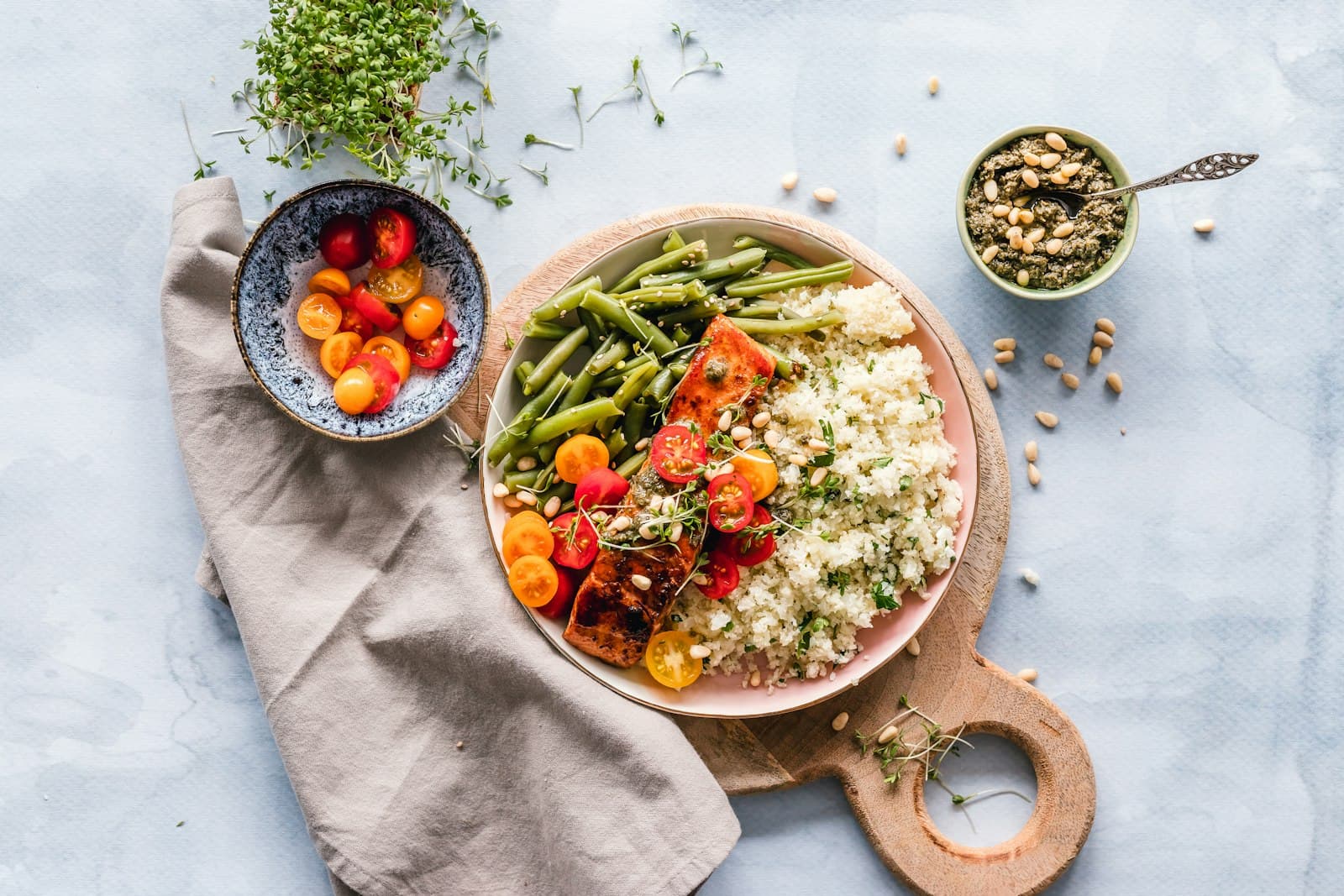
No federal law requires an independent restaurant to print allergens on its menu, but the FDA Food Code, several state laws, and California SB 68 add real duties once they apply to you.
Here is what is federal, what depends on your state or city, and what is simply good practice, with a script and a cross-contact checklist at the end. This is general information, not legal advice; your local health department has the final word.
Do restaurants have to list allergens on the menu?
No federal law requires it: FALCPA covers packaged food, not a plate or takeout box filled to order, but the FDA Food Code adds duties once your state adopts it, some states require a menu notice, poster, or training, and California chains must list allergens from July 2026.
The Food Allergen Labeling and Consumer Protection Act makes packaged food name the food source of every major allergen in the ingredient list or a "Contains" statement. The FDA's page says this "extends to retail and food-service establishments that package, label, and offer products for human consumption" but does "not apply to foods that are placed in a wrapper or container (such as paper or a box for a sandwich) following a customer's order at the point of purchase." Sauce jars sold at the counter need a label; the sandwich you make to order does not.
The practical answer is different: the CDC tells every restaurant to keep ingredient lists or recipes for all menu items, because menu or no menu, staff need an accurate answer on the spot for every dish.
What are the nine major food allergens?
The nine major food allergens under US law are milk, eggs, fish, crustacean shellfish, tree nuts, peanuts, wheat, soybeans, and sesame, the last added by the FASTER Act, signed April 23, 2021 and effective January 1, 2023, per the FDA. FALCPA listed the first eight in 2004.
The second column, from FARE's guides and the FAAN manual under Sources, is where restaurants get caught.
| Allergen | Where it hides on a restaurant menu |
|---|---|
| Milk | Butter on grilled meat or in rice, artificial butter flavor, some hot dogs and deli meats, "nondairy" toppings, some canned tuna |
| Eggs | Mayonnaise, meringue, most egg substitutes; duck, goose and quail eggs count |
| Fish | Worcestershire sauce, Caesar dressing, fish sauce in Thai and Vietnamese dishes and some kimchi, some barbecue sauces, surimi |
| Crustacean shellfish | Fish stock, seafood flavoring such as crab or clam extract, surimi, fryer oil shared with shrimp |
| Tree nuts | Pesto (pine nuts), marzipan and almond paste, praline, gianduja, mortadella (pistachios), nut oils, some barbecue sauces (pecans) |
| Peanuts | Mole and some enchilada sauces, egg rolls sealed with peanut butter, sauces thickened with peanut butter, chili, nougat |
| Wheat | Soy sauce, breading and bread crumbs, couscous, bulgur, seitan, surimi, modified food starch |
| Soybeans | Soy sauce and tamari, miso, edamame, tofu, textured vegetable protein, vegetable broth, some sweet-and-sour sauces |
| Sesame | Tahini, hummus, baba ghanoush, halvah, falafel, sesame oil, bagels and burger buns, sushi |
Two definitions matter. FDA's January 2025 guidance lists the tree nuts it treats as major allergens: almond, black walnut, Brazil nut, California walnut, cashew, hazelnut, heartnut, macadamia, pecan, pine nut, pistachio, and walnut; coconut is not on it. And clams, oysters, mussels, and scallops are not a major allergen under federal law, so answer anyway when a shellfish-allergic guest asks.
What does the FDA Food Code say about allergens?
The FDA Food Code, a model code that binds you only once your state adopts it, makes allergen knowledge a duty of the person in charge, allergen awareness part of staff training, and, since the 2022 edition, written notice of major allergens in unpackaged food a requirement.
The FDA calls the Food Code a model for "food control jurisdictions at all levels of government." The current text, from the 2026 Food Code released on September 17, 2026, asks for:
- Knowledge (2-102.11). The person in charge can describe "foods identified as major food allergens and the symptoms that a major food allergen could cause in a sensitive individual who has an allergic reaction."
- Training (2-103.11). "Employees are properly trained in food safety, including food allergy awareness, as it relates to their assigned duties."
- Written notice (3-602.12(C)). "The permit holder shall notify consumers by written notification of the presence of major food allergens as an ingredient in unpackaged food items that are served or sold to the consumer."
The written notice paragraph arrived in the 2022 edition, which also added sesame, and the 2026 edition keeps it word for word. The annex accepts menu notes, table tents, placards, brochures, or electronic means, so per-item menu tags comply and so does an allergen chart at the host stand or on your website.
Adoption is the catch. The FDA's adoption report for 2024 says 7 states had adopted the 2022 edition, about 16% of the US population, and 36 states were on one of the three most recent editions. On the 2017 or 2013 edition, the knowledge and training duties apply and the written notice paragraph does not, yet. Ask your inspector which edition your state runs; the 2026 text is a preview, not a rule.
Which restaurants have to put calories on the menu?
The federal menu labeling rule applies to restaurants in a chain with 20 or more locations doing business under the same name and offering substantially the same menu items. The compliance date was May 7, 2018, per the FDA.
If you are covered, 21 CFR 101.11 asks for calories beside every standard menu item on menus, menu boards, and self-service displays; the statement "2,000 calories a day is used for general nutrition advice, but calorie needs vary."; the statement "Additional nutrition information available upon request."; and, on request, written totals for fat, saturated fat, trans fat, cholesterol, sodium, carbohydrates, sugars, fiber, and protein. Daily specials, items on the menu fewer than 60 days a year, custom orders, and general-use condiments are exempt. "Menu" includes "electronic menus; and menus on the Internet," so a chain's ordering page counts.
Independents can opt in by registering with the FDA every other year (Form 3757), after which non-identical state or local nutrition labeling rules no longer apply. The FDA's December 2023 draft guidance also covers voluntary calorie labeling on third-party ordering platforms.
Which states and cities go further?
Eight jurisdictions add allergen rules of three types, a menu notice telling guests to speak up, a staff poster, and mandatory training, and California is the first state to require allergens printed per menu item, though only for chains with 20 or more locations.
| Jurisdiction | What it requires | Who it applies to | Source |
|---|---|---|---|
| California | From July 1, 2026, written notice of the major allergens in each menu item, on the menu beside the item or by QR code plus a printed alternative such as an allergen chart | Chains with 20 or more locations (those under the federal calorie rule); prepackaged food and mobile or temporary operations exempt | SB 68, Chapter 741 of 2025 |
| Massachusetts | Staff poster; on every printed menu and menu board: "Before placing your order, please inform your server if a person in your party has a food allergy."; a certified food protection manager with a state allergen certificate, valid 5 years | Establishments that cook, prepare, or serve food for immediate consumption | M.G.L. c. 140, s. 6B and 105 CMR 590 |
| Rhode Island | Staff poster; a menu notice of the customer's obligation to tell the server about any food allergy; a designated allergy-knowledgeable manager | All food service establishments | R.I. Gen. Laws 23-20.12-2, via RIDOH |
| New York City | Poster visible to all food workers, in languages they understand; on request, say whether a specific allergen is used in any menu item | Food service establishments with customer seating | NYC Health Code rules, Chapter 27 |
| Illinois | ANSI-accredited allergen training for every certified food protection manager, within 30 days of hire and every 3 years | Category I (high-risk) restaurants only | IDPH, 410 ILCS 625/3.07 |
| Maryland | Staff poster since March 1, 2014; Montgomery County adds a certified allergen-trained employee on premises during all food prep and service, since July 1, 2017 | Food establishments statewide; eating and drinking establishments for the county rule | Health-General 21-330.2 and Montgomery County |
| Virginia | Food allergy awareness in required training; the person in charge must ensure staff are trained | Restaurants under 12VAC5-421 | Code of Virginia 35.1-14 and VDH |
| Texas | Staff poster, compliance date September 1, 2024; food handler and manager courses must cover allergens; local governments may not add stricter allergen rules | Food service establishments | SB 812 (2023) and DSHS poster |
Two cautions. Michigan still appears on many lists, but its training and poster sections (MCL 289.2129 and 289.6152) carried a sunset of December 31, 2020 and are no longer in force. And a state missing from the table still runs some edition of the Food Code, so the knowledge and training duties apply.
Online menus and delivery apps: what changes when nobody talks to a server
Online, the menu is the only server on shift: the guest reads "garden salad," never sees the sesame on the greens or the soft-boiled egg in the photo, and orders. Four fixes on your own ordering site, all free.

Tag every item with the nine allergens it contains. Per item, in words, from your ingredient labels, not a generic "may contain nuts" banner. That is the format the 2022 Food Code and SB 68 both accept, and the one a guest can act on.
Add an allergy field at checkout. A required question with a free-text box that prints on the kitchen ticket where the line cannot miss it. Uber Eats does this on its marketplace: the guest's allergens are "highlighted on the order card on the Uber Eats Orders app and also on the receipt," per its merchant FAQ, which has you use Adjust order when you cannot meet the request. See how to take online orders for where the form lives.
Say what you cannot control, if it is true. If everything goes through one fryer or shared boards, say so beside the tags. The FDA says advisory statements are not required and are no substitute for actual controls, but an honest sentence lets the guest decide.
Never let a third-party menu go stale. When a recipe or supplier changes, the change has to reach your website, every delivery app, and your Google listing the same day. A "no nuts" tag a month after you switched to a pesto with pine nuts is worse than no tag. More in how to improve your online ordering experience.
What do you do when a guest says they have an allergy?
Treat it as a manager's order, not a server's note: the server gets the manager or chef, who confirms ingredients from labels or says what cannot be confirmed; the ticket is flagged, the kitchen runs a clean-equipment protocol, and the same manager hand-carries the plate. That flow is from FAAN's Welcoming Guests With Food Allergies manual (FAAN runs foodallergy.org) and matches the CDC's four recommendations.
Server: "Thank you for telling me. Which foods do you need to avoid? I'll get the manager to go through the menu with you."
Manager: "Here is what I can confirm from our ingredient labels. I can't verify everything in the [dish], so I'd steer you to the [dish]. We use one fryer for everything, so skip the fried items."
The manual's rule for the hard moment: "If you are not 100 percent sure about the ingredients in a menu item, say so."
The kitchen side, as a checklist you can print:
| Step | Who | Why |
|---|---|---|
| Flag the ticket as an allergy order, name the allergen, tell the manager | Server or host | One person owns the answers and the order (FAAN, CDC) |
| Read the label on every packaged ingredient, every time | Cook | Manufacturers change formulas without notice (FAAN) |
| Cannot verify an ingredient? Say so and offer another dish | Manager or chef | Do not guess (FAAN) |
| Wash hands with soap, fresh gloves, sanitize the surface, use clean or dedicated boards, pans, and utensils | Cook | Sanitizer does not remove allergen protein, wiping leaves it behind, and cooking does not destroy it (FARE) |
| Skip the shared fryer unless you have a dedicated one; cook the allergy order first and keep it covered | Cook | Oil carries protein from everything fried in it, and splash from other orders is real (FARE, FAAN) |
| Manager or chef pulls the plate and hand-carries it | Manager or chef | Prevents the wrong plate, garnish, or contact in transit (FAAN) |
| Any mistake: discard and remake | Whole line | Removing the ingredient leaves trace protein (FAAN) |
| Guest reacts: call 911, tell them to stop eating, help with their epinephrine if trained | Nearest employee, then the manager | Anaphylaxis can be fatal (FDA, Texas DSHS poster) |
This slots into how kitchen tickets should move, and the same label discipline keeps FIFO rotation honest. On a cafeteria or buffet line, which the FAAN manual treats as high-risk, plate the guest's dish separately in the kitchen.
What an allergen mistake costs
The CDC's January 2026 release of 2024 survey data puts diagnosed food allergy at 6.7% of US adults and 5.3% of children. Its restaurant food safety page says about one in three people with food allergies report a reaction in a restaurant, and its 2017 study of 278 restaurants found nearly half of reported fatal food allergy reactions over 13 years came from restaurant or food service food.
The same study explains why: fewer than half of managers (44.4%), food workers (40.8%), and servers (33.3%) had any food allergy training, a quarter of restaurants had no ingredient lists or recipes, and only 10.3% had a dedicated fryer. A printed checklist and an hour of training fix most of that.
The regulatory cost depends on your state: an untrained person in charge is an inspection finding in any Food Code state, a missing menu notice is a violation in Massachusetts or Rhode Island, and a California inspector can check SB 68 by reading the menu. Civil liability depends on the facts and the state, and nobody can give you a reliable number, so ask your insurer what your policy covers.
Where DirectOrders fits
DirectOrders runs commission-free online ordering on your own branded website and includes Menu Brain, menu search with nutrition and allergen clarity, so a guest can search for what they need to avoid. The allergen data comes from you: Menu Brain shows what you enter and confirm, and it does not make you compliant with any health code on its own. There is a 14-day free trial.
Sources
All sources checked September 2026.
- FDA, Food Allergies and FDA allergen labeling Q&A, Edition 5, January 2025
- FDA Food Code, Food Code 2026, 2022 summary of changes, and Food Code adoption report
- FDA, Menu Labeling Requirements, 21 CFR 101.11, and draft menu labeling guidance, December 2023
- California SB 68, Chapter 741 of 2025
- Massachusetts M.G.L. c. 140, s. 6B and 105 CMR 590 allergen amendments, City of Woburn copy
- Rhode Island Department of Health, allergen awareness
- NYC Health Code rules, Chapter 27
- Illinois Department of Public Health, allergen training FAQ
- Maryland Health-General 21-330.2 and Montgomery County allergen training
- Code of Virginia 35.1-14 and Virginia Department of Health, food allergens
- Texas SB 812, enrolled text and Texas DSHS allergen poster
- Michigan Compiled Laws 289.2129
- CDC NCHS release, January 8, 2026, CDC, food allergy reactions in restaurants, and CDC MMWR, restaurant food allergy practices, 2017
- FARE, avoiding cross-contact, FARE, sesame, FARE, fish, and FAAN, Welcoming Guests With Food Allergies, 2010
- Uber Eats merchant allergy requests FAQ
Bottom line
Federal law does not make an independent restaurant print allergens on its menu, but that is the least useful fact here. Your state's Food Code edition almost certainly requires the person in charge to know the nine allergens and train staff, a 2022 or later edition requires written notice for unpackaged food, and seven states and cities add a notice, poster, or training rule. California SB 68 puts allergens on chain menus from July 1, 2026. Tag every online item, add an allergy question at checkout, run the checklist on every flagged ticket, and ask your health department which edition applies.
Frequently Asked Questions
Not under federal law. FALCPA allergen labels apply to packaged food, and the FDA says they do not cover food put in a wrapper or box after a customer orders. Whether you must give written allergen notice depends on your state: states on the 2022 or later FDA Food Code require it for unpackaged food, Massachusetts and Rhode Island require a menu notice, and California requires per-item allergens for chains from July 1, 2026.
Related resources
Related Articles
Sarah M.
James K.
Lisa R.
Owned contacts
2,847
Does DoorDash Share Customer Data With Restaurants? (2026)
No. DoorDash, Uber Eats and Grubhub keep marketplace customers' emails and phone numbers. What you see per order, which products share data, and the NYC law.
Pankaj Avhad
How to Remove Your Restaurant From DoorDash, Uber Eats, Grubhub
How to pause, remove, or cancel your restaurant on DoorDash, Uber Eats, and Grubhub: 7, 60, and 3-day notice rules, unauthorized listing laws, exit plan.
Pankaj Avhad
What Is the 30/30/30 Rule for Restaurants? (2026 Math)
The 30/30/30 rule for restaurants: 30% food, 30% labor, 30% overhead, 10% profit. NRA and BLS data show the real 2026 split is 33/34/27. Full P&L inside.
Pankaj Avhad