Own your ordering channel in Austin
Austin restaurants: stop competing on apps. Start competing on food.
Commission-free online ordering built for Austin restaurants: a branded ordering site that ranks in Google and AI search, bilingual Voice AI for Spanish-speaking guests, Uber Direct and DoorDash Drive integration covering all five Austin council districts, and same-day payouts so SXSW weekend cash hits your account on Sunday, not Wednesday.
What the Austin restaurant market actually looks like
The math problem facing Austin restaurants
In a market with 11,000+ metro restaurants, marketplace algorithms decide who gets seen. Paying for promoted placement on DoorDash or Uber Eats has become a requirement, not an option. The result: Austin restaurants spend 15-30% of every order on fees and advertising just to stay visible on platforms they don't control.
Austin opened a record 312 net-new restaurants in 2024 per the Austin Business Journal, and the closure rate per Texas Comptroller sales tax filings reached 18 percent inside the city. Three forces compress margins simultaneously: marketplace commissions of 25 to 30 percent on DoorDash and Uber Eats (Square Future of Restaurants 2025), Travis County labor costs that rose 11 percent year-over-year (Federal Reserve Bank of Dallas), and a customer base that increasingly checks calorie, allergen, and GLP-1 fit before ordering (IFIC Food and Health Survey 2024). New restaurants need first-party customer data inside 90 days or the marketing flywheel never starts.
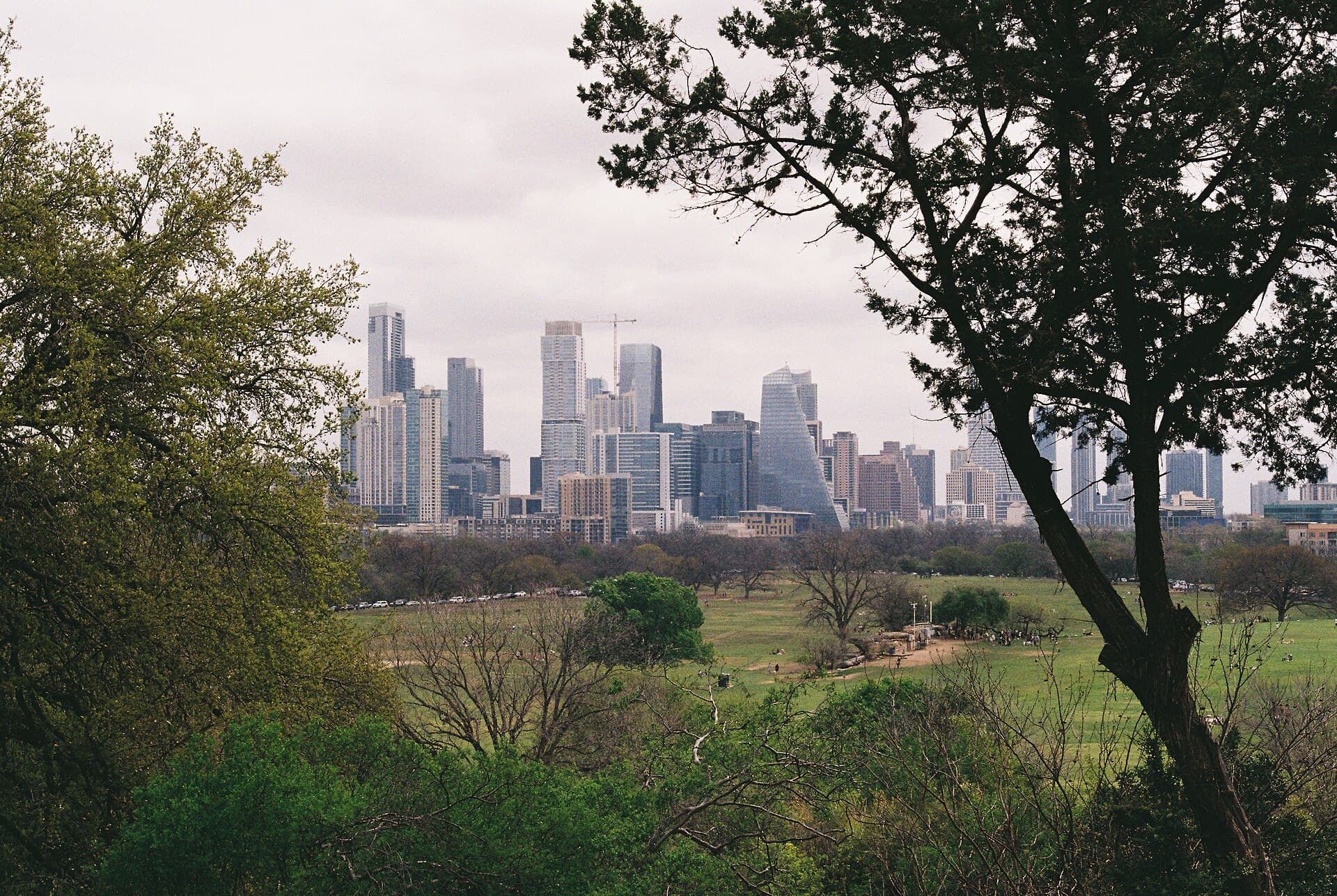
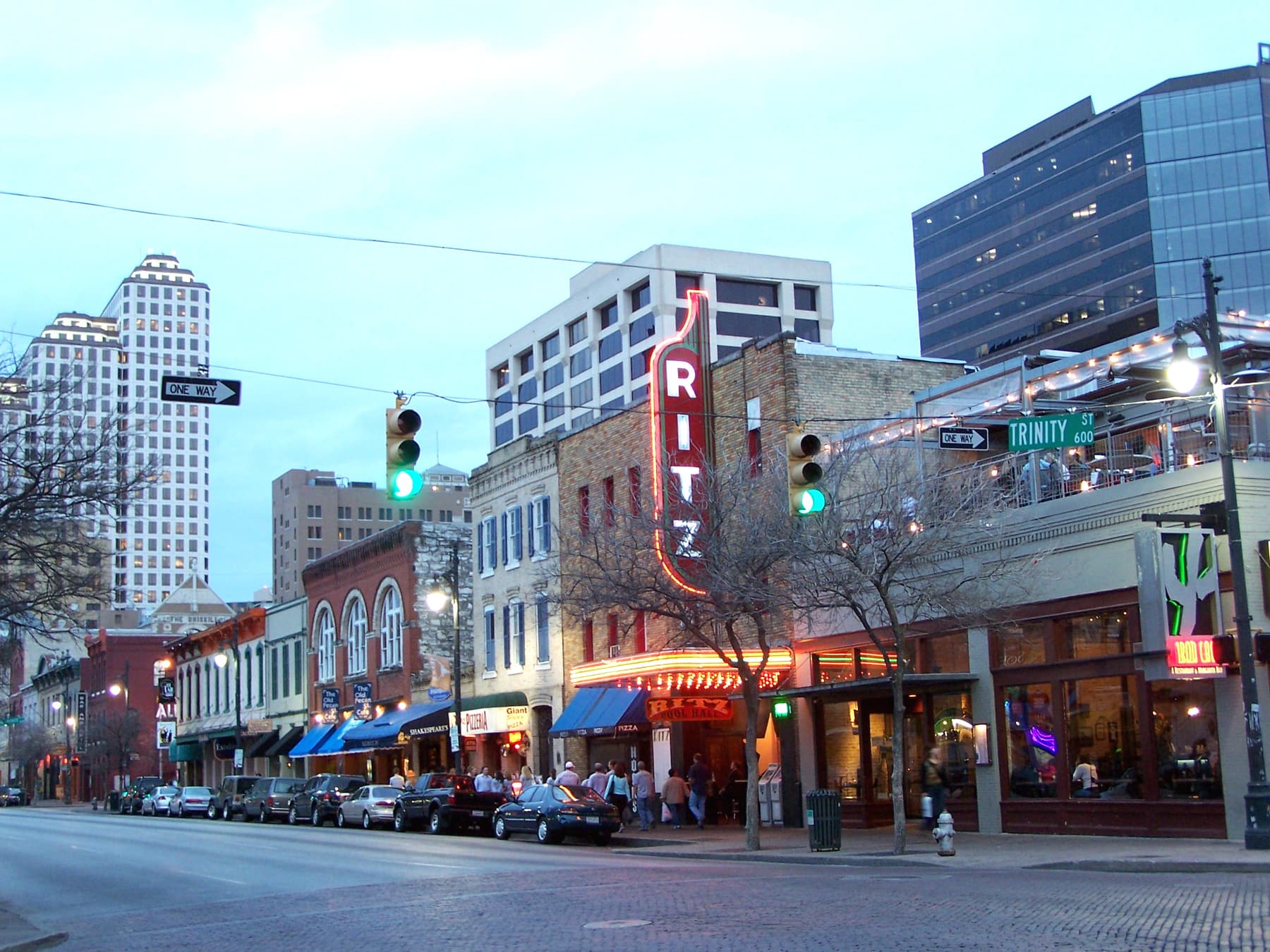
Austin's hub-and-spoke geography concentrates dinner delivery into four corridors: South Congress and South Lamar (SoCo to Slaughter), East Austin (Cesar Chavez to MLK), the central business district (Sixth to Cesar Chavez between Lamar and Brazos), and the I-35 / MoPac suburban ring (Domain to Round Rock). Tech-worker lunch demand peaks 11:45 AM to 1:00 PM in The Domain, Cedar Park, and Southeast Austin near the Tesla Gigafactory. Friday-night dinner spikes 30 to 45 percent above weekday averages, with Saturday brunch the highest-conversion direct-order window of the week. SXSW and ACL Festival weekends compress two weeks of dinner volume into 16 days and break marketplace apps' delivery ETAs (commonly past 90 minutes), which is the single biggest opportunity for restaurants with their own ordering channel and Uber Direct integration to outperform DoorDash on the same blocks.
How Austin restaurants take back control
DirectOrders gives an Austin restaurant a branded ordering site that Google indexes as a separate entity from the marketplace listings, AI search visibility on ChatGPT, Perplexity, and Google AI Overviews (we publish llms.txt and structured menu schema by default), bilingual English plus Spanish Voice AI tuned to ATX accents and Tex-Mex menu pronunciation, Uber Direct and DoorDash Drive at flat dispatch cost so you cover the full Austin metro radius without paying 30 percent, and same-day payouts so the brisket you sold during SXSW Saturday hits your operating account before you reorder for Sunday. We also waive the customer-passed checkout fee that Owner.com, ChowNow, and Toast bundle into 'free' tiers, which keeps Austin diners on direct rather than bouncing back to the marketplace.
- Rank in Austin local search results with your own branded ordering page
- Build a customer database from every direct order for targeted Austin marketing
- Compete on food quality, not marketplace advertising budget
- Capture peak demand from Austin events like SXSW (March 13 to 22, 2026): roughly 280,000 attendees per official SXSW estimates, downtown dinner volume runs 4 to 5x normal, food trucks on East Cesar Chavez stay open until 4 AM, expect 90-minute marketplace ETAs as a baseline.
- Market your Central Texas brisket (post-oak smoked, no sauce required) and Breakfast tacos (egg, cheese, potato or migas in flour or corn) to Austin food lovers
- Zero commission: keep 100% of your order revenue
- Delivery across Austin via your drivers, Uber Direct, or DoorDash Drive
- Voice AI answers your phone and takes orders 24/7
Built for the four kinds of Austin restaurants we see most
We don't pretend one product fits every concept. Here's the playbook by category. Find yours below.
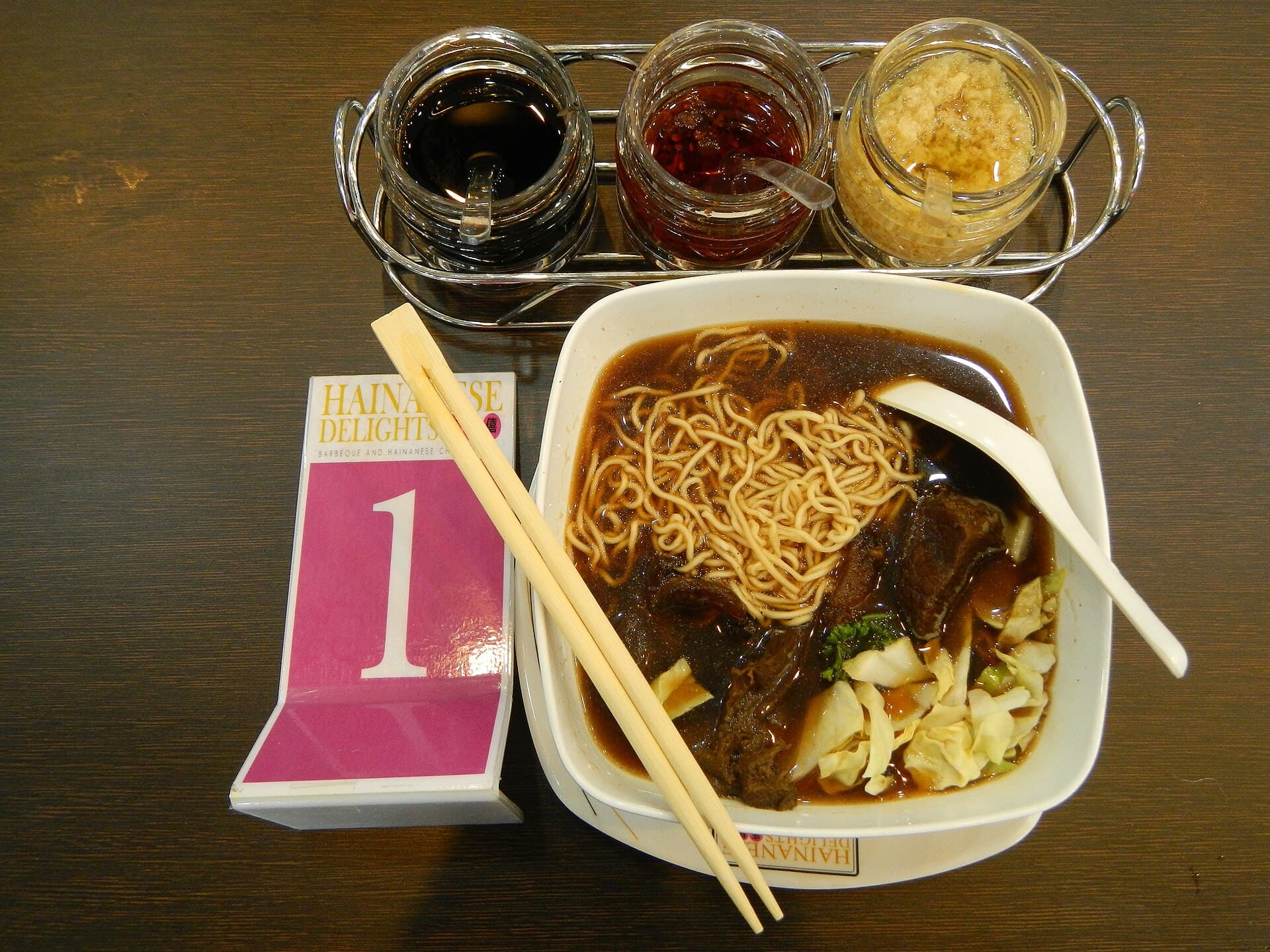
DoorDash takes 30% of every $42 brisket plate. SXSW weekend traffic looks great until the deposit clears Wednesday and you owe payroll Friday.
Branded ordering site, Voice AI that handles call-aheads while you're at the pit, same-day Stripe payouts on festival weekends.
Average Austin BBQ ticket: $48. Marketplace fee on that: $14.40. With DirectOrders: $0.
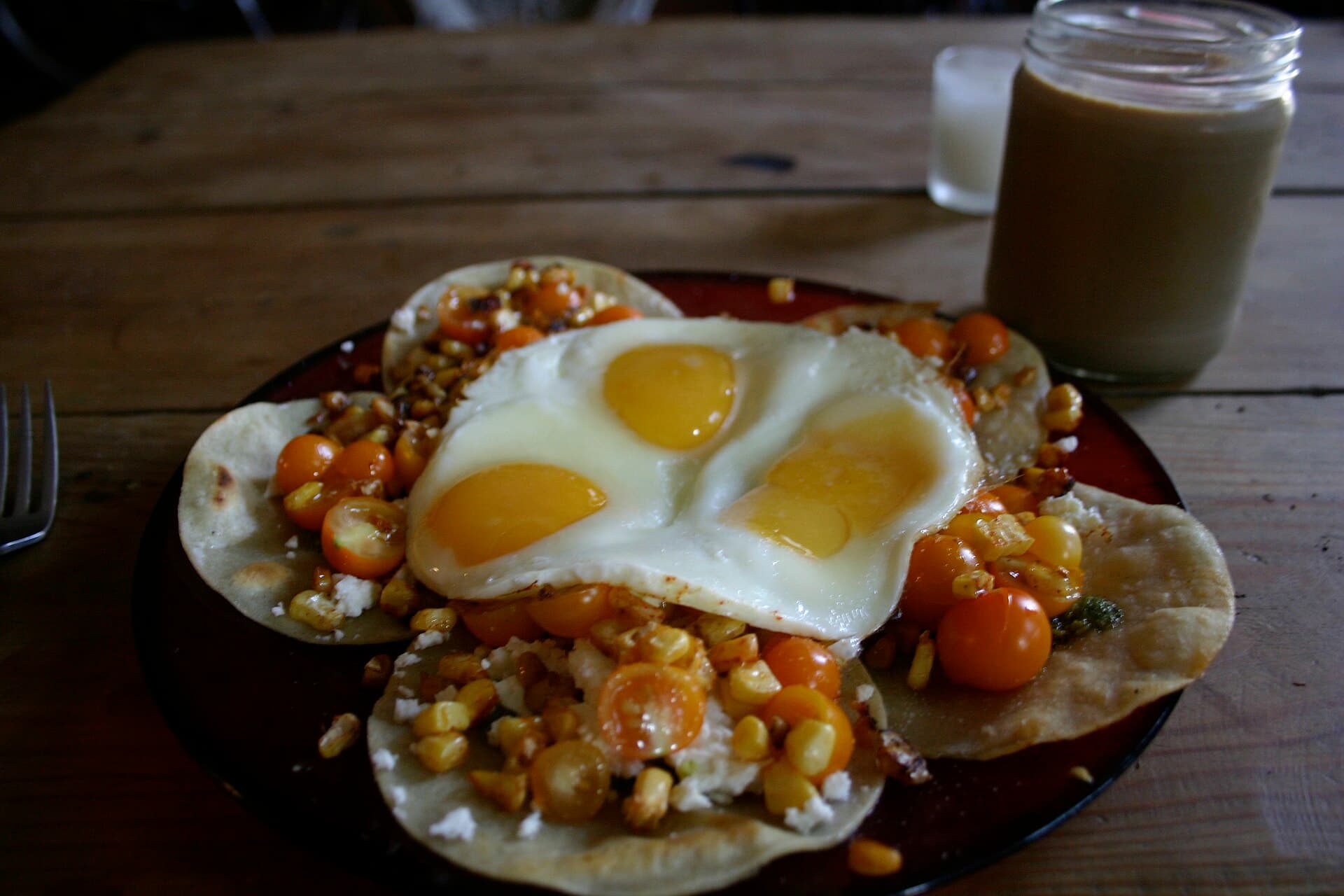
Half your callers speak Spanish first. Your line cook is taking phone orders in two languages and burning the al pastor.
Bilingual Voice AI takes the call in English or Spanish, fires the order to your KDS, confirms pickup time. Your cook stays at the plancha.
33% of Austin residents are Hispanic or Latino (US Census ACS 2024). Voice AI books an order in either language in under 90 seconds.
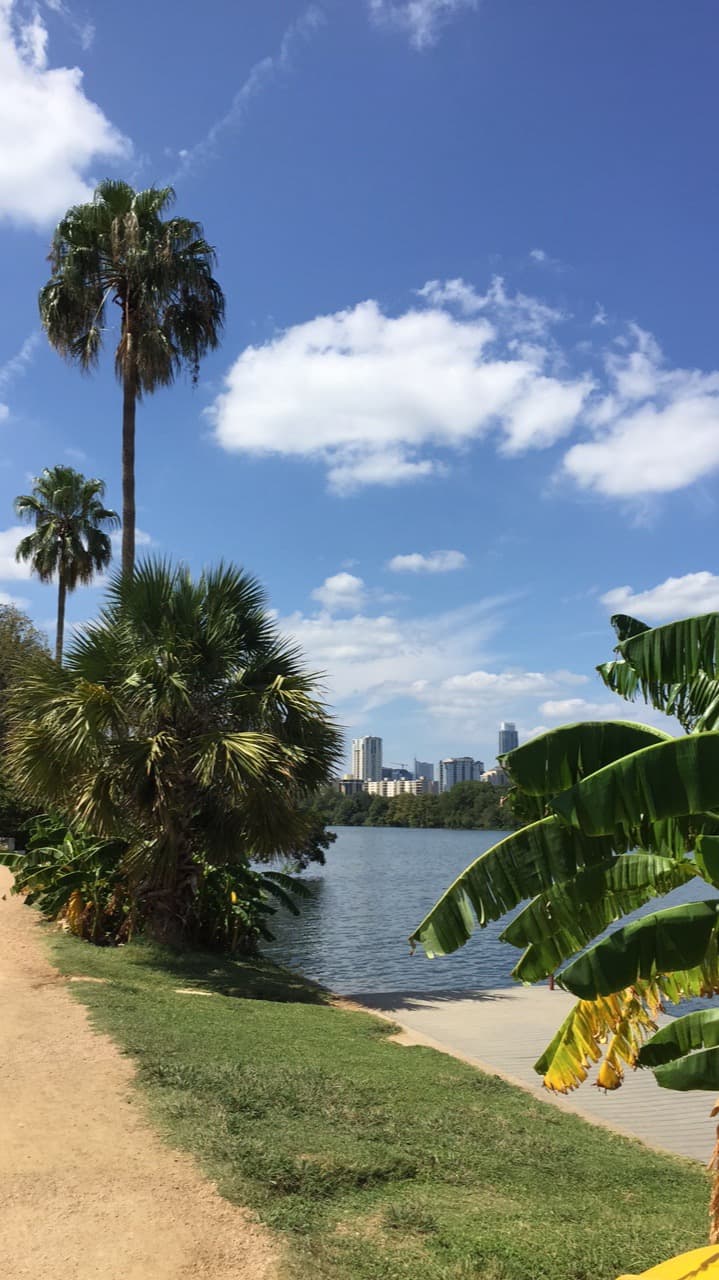
You have 600 regulars on a punch card. Marketplaces give you anonymous orders and zero way to bring them back.
Email and SMS marketing automations that own the customer relationship, plus order-ahead that turns line waits into pickup windows.
Average DirectOrders cafe in Austin runs 4 automated lifecycle campaigns and recovers 18% of lapsed regulars.
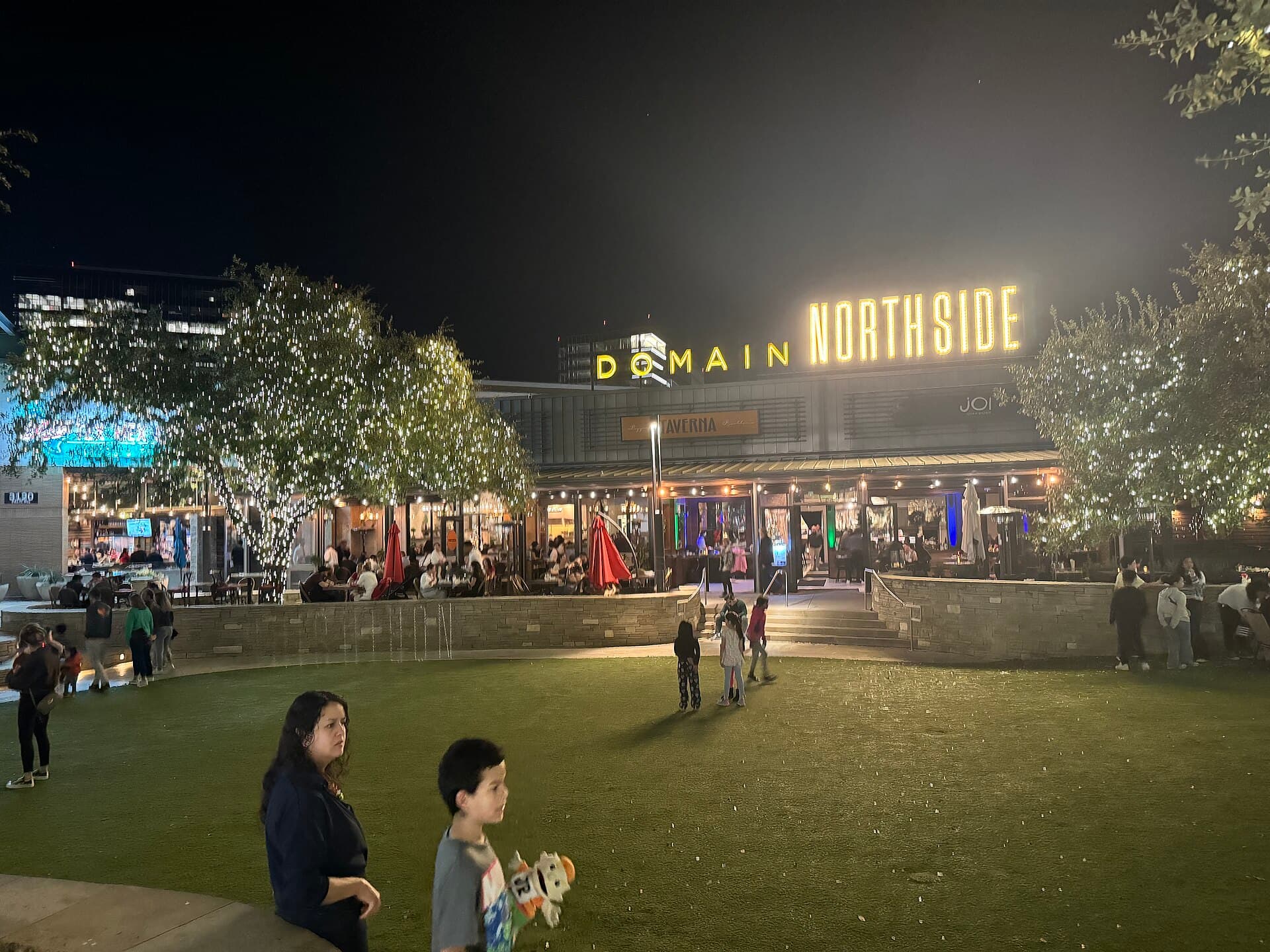
Apple's Parmer campus does $40K catering orders monthly. They go to whoever has a real catering portal, not whoever a marketplace app surfaces.
Catering channel with delivery windows, lead-time rules, group ordering, and Slack/Teams ordering surfaces for tech HQs.
Daytime workforce in tech corridors: 285,000 commuters ordering lunch in a 12-minute window. Catering tickets average $1,400.
The Austin food scene
Austin's food culture is built on three load-bearing pillars: central Texas BBQ, breakfast tacos, and a food truck ecosystem that the City Code regulates as 'Mobile Food Vendors' under Chapter 10-3 (austintexas.gov/department/food-trucks). Franklin Barbecue's lunch-only line is now a TripAdvisor Top 10 US tourist destination; Veracruz All Natural launched a regional taco empire from a single Airstream on East Cesar Chavez; Uchi turned a 1962 ranch house into a James Beard-recognized sushi institution. Newer concepts like Suerte, Loro, Comedor, Olamaie, Odd Duck, Birdie's, and Este are pushing Oaxacan, Asian-Texan, modern Southern, and coastal Mexican into James Beard semifinalist territory year after year. Hopdoddy, Torchy's Tacos, P. Terry's, and Ramen Tatsu-Ya were all founded in Austin and now operate multistate, which means national chains study Austin's menus, not the other way around.
Signature dishes
Austin food facts
- •Austin's metro population reached approximately 2.47 million in the 2024 US Census ACS estimates, making it the 26th largest metro in the country and one of the five fastest-growing major metros in the United States.
- •The City of Austin Health Authority issued more than 4,200 food establishment permits in fiscal year 2024 (austintexas.gov/department/environmental-health-services), with Travis County logging another 1,500-plus suburban locations.
- •Austin tops Bon Appetit's list of US BBQ destinations and is the only city with three Texas Monthly Top 50 BBQ joints inside the city limits (Franklin Barbecue, La Barbecue, Interstellar BBQ as of the 2025 ranking).
- •Hispanic and Latino residents make up roughly 33% of Austin's population per the US Census 2024 ACS, giving the metro one of the strongest bilingual ordering markets in any major US tech hub.
- •The University of Texas at Austin enrolls about 52,000 students each year, concentrated in the West Campus, North Campus, and Riverside corridors, with peak ordering windows tied tightly to the academic calendar.
- •SXSW 2024 generated an estimated $377.2 million in economic impact for the Austin metro per the official SXSW Economic Impact Report (2024), with the highest single-night restaurant traffic in the US outside Manhattan.
- •Austin Food + Wine Festival (April), Hot Luck Fest (May), Texas Hot Sauce Festival (August), and East Austin Studio Tour (November) anchor a year-round festival economy that pulls visiting diners into independent restaurants, not chains.
- •Tesla's Gigafactory Texas, Apple's $1B campus on Parmer Lane, Oracle's downtown HQ, and Indeed's domain offices have grown the daytime workforce in Northwest, Southeast, and North Austin to roughly 285,000 commuters who order lunch within a 12-minute window.
What Austin actually eats
Breakdown of restaurant order volume by cuisine type. Knowing where your category sits tells you how crowded your search results are and where Voice AI translation matters.
Austin restaurants worth knowing
Independents and concepts that define the Austin food scene. Eat here. Steal their playbook.
Austin runs on neighborhoods, not zip codes
Each district orders differently. Build the right ordering surface for the customer who actually walks past your front door.
Austin's roughly 33% Hispanic and Latino population (US Census ACS 2024) makes Spanish-language ordering and Voice AI meaningful, not optional. A bilingual ordering channel captures lunch traffic in East Austin, Dove Springs, North Lamar, Rundberg, and the Tesla Gigafactory corridor that English-only systems lose to phone calls or marketplace apps. DirectOrders Voice AI handles English and Spanish menu pronunciation, modifier requests, and payment collection on the same phone line, which removes the staff-language match constraint at peak hours.
The Austin restaurant
operator's year
Austin's restaurant economy moves in cycles. This is when traffic spikes, when it dips, what drives it, and the operator move for each month. Read it once, plan a full year.
Austin food trucks need a Mobile Food Vendor permit and an approved commissary kitchen. Trailer parks (East 6th, Rainey, South 1st) cluster permits to share infrastructure. Permits are renewed annually.
State 6.25%, Travis County 1%, City of Austin 1%. Alcohol service requires a TABC permit. To-go alcohol is legal post-2021 with a food order.
Austin has more patio dining than any major US city per Yelp 2024 data. Patio expansion is a permitted use under City Code Chapter 25-2. Restaurants without patios bleed dinner volume March through November.
Roughly 33 percent of Austin is Hispanic or Latino. A bilingual Voice AI captures lunch volume from East Austin and Tesla Gigafactory commuters that monolingual systems lose.
January
Slowest month after the holidays. Restaurant Week in late January gives a 12 to 18 percent lift.
Run a 'first-time direct order' coupon to capture customers shifting off marketplace apps after holiday spending.
Menu trends shaping Austin in 2026
Birria tacos and consome dipping sauces at food trucks (East Austin, South 1st)
Smash burgers (Hopdoddy plus a long tail of independents on Burnet Road and South Lamar)
Japanese-Texan fusion (Loro, Kemuri Tatsu-ya, Komé), notably brisket ramen and yakiniku-style BBQ
Coastal Mexican and Oaxacan concepts (Suerte, Comedor, Este, Sour Duck Market)
Korean fried chicken and bibimbap bowls (North Lamar to Round Rock corridor)
Plant-based and GLP-1 friendly menus with macros listed (Bouldin Creek, Mr Natural, Casa de Luz)
Specialty coffee with full kitchens (Cuvee, Houndstooth, Caffe Medici, Greater Goods)
Non-alcoholic craft cocktails and zero-proof menus (post-pandemic shift, Austin leads ATL and DEN)
Late-night ordering windows (10 PM to 2 AM) on Rainey, East Sixth, and West Sixth
Catering for tech-company office lunches (Tuesday to Thursday peak, $18 to $28 per head average)
What Austin restaurant owners ask us
How much does an Austin restaurant lose to DoorDash and Uber Eats commissions?
+
An Austin restaurant doing $80,000 per month on a marketplace at 25 percent commission pays $20,000 per month, or $240,000 per year, to DoorDash or Uber Eats. That is roughly the all-in salary of a kitchen manager. DirectOrders charges a flat $249 to $349 per month with no per-order commission, so the same volume pays $2,988 to $4,188 annually. The breakeven point is roughly $1,200 per month in direct sales volume.
Will my branded ordering site rank in Austin Google search?
+
Yes, when set up correctly. DirectOrders publishes a per-restaurant page with structured data (Restaurant, Menu, MenuItem, Offer, LocalBusiness schema) that Google indexes as a separate entity from your DoorDash, Uber Eats, or Yelp listings. Restaurants typically see their direct site in the top 3 Google results for their brand name plus 'Austin' or 'order online' within 30 to 60 days, assuming the Google Business Profile is claimed and links to the direct site.
Does DirectOrders work during SXSW and ACL?
+
It is the single best week of the year to be on a direct ordering channel. During SXSW and ACL Festival weekends, marketplace apps commonly show 90-plus minute delivery ETAs because dispatch saturates. DirectOrders restaurants with Uber Direct integration get flat dispatch costs and self-managed couriers, so you control the experience and the data. Direct ordering also keeps your customer database growing during the highest-traffic weeks of the year.
Can DirectOrders take phone orders in Spanish for my Austin restaurant?
+
Yes. Voice AI handles English and Spanish on the same phone line, with menu pronunciation tuned to Tex-Mex and Mexican Spanish vocabulary. For Austin's roughly 33 percent Hispanic and Latino population, this captures lunch and dinner orders that English-only IVR systems lose. The Voice AI also handles modifiers, allergen questions, payment collection, and confirmation in the language the caller chose.
Which Austin POS systems integrate with DirectOrders?
+
DirectOrders integrates with Toast, Square, Clover, Lightspeed, and SpotOn, which together cover roughly 78 percent of Austin restaurants per industry estimates. The integration is bidirectional: orders from your site, Voice AI, ChatGPT, Instagram, or Google flow into the existing kitchen printer and POS workflow without a second tablet.
How fast can my Austin restaurant launch direct ordering?
+
Live in 2 hours from menu upload to first order, or we white-glove the launch for free. The fast path: import your existing menu (PDF, Toast export, or photo), set delivery zones (we suggest a 5-mile radius for SoCo and East Austin, 8-mile for Mueller and Domain), connect Stripe, and publish. White-glove onboarding is included for any Austin restaurant doing $30,000 per month or more.
Does DirectOrders cover catering for Austin tech offices?
+
Yes. The platform supports catering with order-ahead lead times, group order links shareable in Slack or email, corporate net-30 invoicing, and pickup or delivery scheduling. Tuesday to Thursday between 11:30 AM and 1:00 PM is the highest-volume catering window in The Domain, downtown, and Southeast Austin near the Tesla Gigafactory. Direct catering pages convert 3 to 5x marketplace catering channels because corporate buyers do not want a service fee added to their reimbursement.
What about Austin food trucks and trailers?
+
Mobile Food Vendors are a first-class citizen on DirectOrders. We support Mobile Food Vendor permit ID display, daily location updates (the truck moves), Square POS integration, and pickup-only configurations. Austin food trucks using DirectOrders typically convert 25 to 40 percent of their Instagram followers into repeat direct customers within 60 days because the friction of 'where are you parked tonight' goes to zero.
The publications we read for Austin menu trends, openings, and operator interviews. Click through for primary sources.
Build your direct ordering channel in Austin
Join Austin restaurants that compete on food quality and customer relationships instead of marketplace ad spend.
Last updated May 6, 2026. Data verified against primary sources cited above.