The brewery capital of the country, a Land Grant flagship, and an Old Town that taught Disneyland how to look.
Fort Collins is the city where more than thirty breweries operate inside a hundred-and-seventy-thousand person footprint, where Colorado State University runs the original 1862 Morrill Act land grant on its south campus, and where the Old Town historic core supplied the Walt Disney Imagineers with the visual reference that became Main Street USA at Disneyland. The restaurant a Fort Collins operator builds has to serve a brewery-tour weekend, a CSU Rams home football Saturday, a Harmony Corridor HP off-site, and an Anheuser-Busch plant tour, all on one ledger.
5:48 PM. Linden Street. The New Belgium Liquid Center is full.
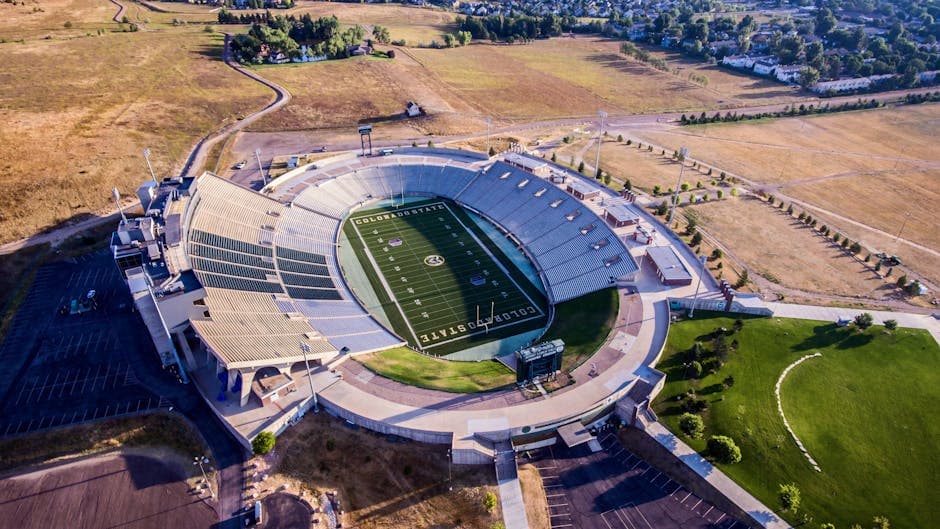
The Liquid Center at five hundred Linden Street, a block from the Cache la Poudre River and four blocks north of Old Town Square, is at peak capacity on a Saturday in late October. A homecoming weekend at Colorado State University has filled the patio. The Fat Tire pours are running steady on six of the fifteen taps. A CSU Rams home game wrapped at Canvas Stadium ninety minutes ago and the post-game migration has caught the Linden Street brewery corridor first, before pushing south to Old Town Square and the College Avenue restaurants.
The chef at a chef-driven New American restaurant on Linden Street, two blocks south of the New Belgium Liquid Center, has been on her feet since 8:30 AM. The dining room has eighty-four covers seated. The catering window for the afternoon closed at 1:00 PM. Her staff is one short because two line cooks live in Wellington and the Saturday morning commute on College Avenue from north of Vine was bumper to bumper with tailgate traffic. The pickup window has twenty-three orders queued for the next two hours, most of them from CSU alumni who dropped their tailgate gear at the Armstrong Hotel and now want dinner before the brewery taproom rotation tonight.
On the east side of town, the Harmony Corridor is quiet. HP's Harmony Road campus is dark for the weekend. Woodward's Industrial Drive plants are at skeleton crew. Otterbox's South College facilities are locked. The catering arms of three of the restaurants in this kitchen's referral network spent Friday filling the Woodward engineering review boxed-lunch order, the HP partner-visit deli platter, and two back-to-back software off-sites at the Broadcom South College building. That weekday catering tail is one of the two revenue tentpoles for the Old Town and Midtown restaurants. The other is exactly the brewery-tour-plus-CSU-game-day Saturday she is working through right now.
Fort Collins is a city of three stacked economies. The brewery economy runs on weekend craft-beer tourists, brewery-tour packages, the New Belgium and Odell taprooms, the Anheuser-Busch InBev Beermaster tour, and the Tour de Fat festival in late summer. The university economy runs on the CSU Rams football schedule, parents weekend, graduation, and a thirty-four-thousand-student enrollment that defines the Campus West corridor in session. The Harmony Corridor tech economy runs on weekday lunch catering, program-milestone events at HP, Otterbox, and Woodward, and the steady drumbeat of engineering off-sites from the South College and East Harmony technology parks.
The chef is going to plate four hundred and forty covers tonight. The pickup queue will run until 11:30 PM. The Voice AI on the back-office line has fielded twenty-six pickup orders since the game ended at 4:00, in two languages, without a single staff member picking up the phone. The catering inbox is already booked for next Wednesday's HP product-launch lunch and the Thursday Woodward engineering review. The same kitchen, the same brand, the same domain, the same payout account, three different demand curves. This is the Fort Collins operating reality.
Thirty-plus breweries inside one hundred and seventy thousand residents. The math is the story.
Fort Collins is widely recognized as the craft beer capital of the United States by brewery-per-capita concentration. The Brewers Association tracks Colorado as one of the top three states in the country by brewery count, and within Colorado, Fort Collins routinely produces the highest brewery-to-population ratio of any city of its size. The anchor producers stack across three generations: the 1988-1991 founding cohort (Anheuser-Busch InBev Fort Collins in 1988, Odell in 1989, Coopersmith's in 1989, New Belgium in 1991), the 2010-2014 craft-revival cohort (Funkwerks 2010, Equinox 2010, Black Bottle 2012, Horse and Dragon 2014), and the 2015-and-after community-scale cohort (Snowbank 2015, Maxline 2016, and the long tail of smaller taprooms).
The Fort Collins brewery economy started, in functional terms, with the parallel openings of Odell and Coopersmith's in 1989. Doug Odell, Wynne Odell, and Corkie Odell opened a Lincoln Avenue production brewery focused on English ale styles. Coopersmith's opened a brewpub on Old Town Square the same year, pairing house beers with a sit-down restaurant. Both decisions, made independently within a few months of each other, signaled to a generation of would-be brewers that Fort Collins had the right combination of CSU-trained labor, agricultural water from the Cache la Poudre, and a downtown willing to permit a production brewery as a tourist anchor.
Two years later, Jeff Lebesch and Kim Jordan founded New Belgium Brewing in a Fort Collins basement, inspired by a bicycle trip Lebesch had taken through Belgium. The Fat Tire Amber Ale launched on the back of a hand-drawn label and a bicycle-anchored brand identity. Within fifteen years New Belgium had become one of the largest craft breweries in the country. The Linden Street campus, the Liquid Center taproom, and the Tour de Fat traveling beer festival turned the New Belgium identity into a Fort Collins identity. The brewery was acquired by Lion Little World Beverages in 2019 and remains headquartered on Linden Street.
The 2010-2014 cohort layered a chef-driven craft identity on top of the production base. Funkwerks specialized in Belgian-style saison and farmhouse ales, winning World Beer Cup gold for Saison in 2012 and Mid-Size Brewery of the Year at the Great American Beer Festival in 2014. Equinox opened a brewpub on Linden Street with a rotating fifteen-tap lineup. Black Bottle launched the Cereal Killer breakfast-cereal series on South College, drawing a student-driven Saturday crowd. Horse and Dragon opened a community-scale taproom on East Mulberry with a heavy reliance on food-truck and partner- restaurant pickup partnerships.
The 2015-and-after community-scale cohort filled in the gaps. Snowbank on East Vine, Maxline on south Mason Street, and the long tail of smaller taprooms (Funky Bones Brewing, Purpose Brewing, Stodgy Brewing, Gilded Goat, Prost Brewing's Fort Collins location, and others) brought the total brewery count past thirty by 2023. The Brewers Association state craft data and the Visit Fort Collins brewery trail both confirm the count. Per-capita, the concentration is among the highest in any US city.
Layered on top of all of this is the Anheuser-Busch InBev Fort Collins plant on Busch Drive, opened in 1988 and producing more beer by volume than any other AB plant in the United States, according to AB InBev US production disclosures. The plant runs the public Beermaster tour, employs a large workforce, and contributes significantly to the Larimer County tax base. The juxtaposition is structural: the largest American-macro brewery in the country sits four miles from one of the densest craft-brewery clusters in the country, on the same river, under the same City of Fort Collins zoning code.
The restaurant implications run in two directions. First, the brewery-tour weekend is a real revenue tentpole. Saturday craft-beer tourists arrive in Old Town in groups of four to twelve, run a self-guided or guided tour across New Belgium, Odell, Funkwerks, Equinox, and Horse and Dragon, and break for lunch and dinner at the surrounding restaurants. Second, the brewery-food partnerships matter: most Fort Collins breweries do not run full kitchens. They partner with food trucks and with delivery from Old Town and Midtown restaurants. A direct-ordering channel that flags taproom-delivery items, lets operators set per-brewery routing, and handles the courier handoff at the taproom door is the difference between capturing the brewery-tour revenue and watching it route through a marketplace.
The Anheuser-Busch InBev plant's catering and partner-visit hosting is a separate workflow with longer lead times and approved vendor lists, but it is a steady revenue line for the operators who have onboarded with AB InBev US procurement. The Beermaster tour itself draws bus-tour groups that book lunch in Old Town as part of the package, generating a recurring small-group pickup and group-dining workflow that the operators who specialize in it know well.
Linden Street, east of Old Town
Founded by Jeff Lebesch and Kim Jordan in a Fort Collins basement in 1991. Fat Tire Amber Ale became the brand-defining flagship. The Liquid Center taproom at 500 Linden Street is a Fort Collins landmark. Catering for taproom events and the New Belgium tour-route partner restaurants runs a steady cadence.
Lincoln Avenue brewery district
Founded by Doug Odell, Wynne Odell, and Corkie Odell in 1989, the second oldest microbrewery still operating in Colorado. The Lincoln Avenue taproom and the cellar series anchor a craft-tour stop that pairs with the Linden Street New Belgium loop. Pickup-and-platter catering for taproom events.
East Mulberry Street
Husband-and-wife founded community-scale brewery on East Mulberry. A heavier reliance on food-truck partnerships and pickup orders from Old Town and Midtown restaurants than on internal kitchen production. A signature stop on the Fort Collins ale trail.
Buckingham Street, north of Old Town
Specialty Belgian-style saison and farmhouse-ale producer. Won World Beer Cup gold for Saison in 2012 and Mid-Size Brewery of the Year at the Great American Beer Festival in 2014. Pairing partnerships with Old Town chef-driven restaurants on collaboration nights.
Linden Street, Old Town core
Old Town brewpub on Linden Street, half a block from the historic Trolley turnaround. Pours fifteen-plus rotating taps and partners with the surrounding Old Town restaurants for food delivery into the taproom, the inverse of the typical brewery-to-restaurant relationship.
Old Town Square
The Old Town Square brewpub that opened the same year as Odell. Two locations on either side of the historic square. Among the longest continuously operating brewpubs in Colorado, anchoring the Old Town brewery-and-restaurant geometry that the city has spent thirty-five years building.
Busch Drive, north of city near I-25
The Anheuser-Busch brewery on Busch Drive opened in 1988 and produces the highest volume of any AB plant in the United States, according to AB InBev US production disclosures. The plant draws the public Beermaster brewery tour and is a significant Larimer County employer and tax base.
South College Avenue
Midtown craft brewery known for the Cereal Killer breakfast-cereal series. A favored stop on student-driven craft-tour Saturdays. Lower-volume catering footprint than Odell or New Belgium but a steady weekday-night driver for the Midtown corridor.
Midtown, south Mason Street
Community-scale taproom on the Mason Trail south of Old Town. Food-truck rotation on weekend nights. Frequent partner restaurant pickup orders run from Midtown sandwich shops, taco trucks, and pizzerias.
East Vine Drive
Northeast Fort Collins production brewery and taproom. Lager-forward production schedule. A short drive from the Anheuser-Busch InBev plant and the Mulberry Street brewery cluster.
Thirty-four thousand students. A Land Grant flagship. Canvas Stadium fills six Saturdays a year.
Colorado State University was chartered in 1870 as the Colorado Agricultural College, two years before statehood, under the federal land-grant framework established by the Morrill Act of 1862. The Morrill Act set aside federal land in each state to fund colleges focused on agriculture, mechanical arts, and military tactics, the practical-applications counterweight to the classical liberal-arts curricula of the older eastern colleges. Colorado A&M became Colorado State University in 1957. Today CSU enrolls roughly thirty-four thousand students across undergraduate and graduate programs, runs nationally recognized programs in veterinary medicine, atmospheric science, and engineering, and competes in the Mountain West Conference as the CSU Rams.
The CSU campus runs along the south side of the city, anchored at the historic north end by the Oval (an 1880s elm-canopied green that is one of the oldest continuously maintained campus quads in the Mountain West) and at the south end by Canvas Stadium, which opened in 2017 as the replacement for the aging Hughes Stadium on the west side of town. Canvas Stadium lists a capacity of roughly thirty-six thousand and sits a ten-minute walk from College Avenue restaurants and a longer fifteen-minute walk to Old Town. The Lory Student Center, the student union and dining-services hub, anchors the central campus.
The student economy hits the city in three distinct waves. The first is the academic-year weekday lunch traffic from West Elizabeth Street and the Campus West commercial corridor, where pizza, sandwiches, fast-casual Mexican, sushi, and bars serve a near-continuous student flow. The second is the football-Saturday surge, which produces a six-window operating day similar to (though smaller in volume than) Boulder's CU Saturdays. The third is the parents weekend, homecoming, graduation, and family-visit cadence that draws out-of-state alumni and family travelers into Old Town hotels and restaurants on specific dated weekends.
The CSU Land Grant identity is more than ceremonial. The CSU College of Agricultural Sciences runs the Agricultural Research, Development, and Education Center north of the city. The CSU Equine Sciences program is among the largest in the country. The CSU College of Veterinary Medicine and Biomedical Sciences operates the James L. Voss Veterinary Teaching Hospital, one of the leading veterinary research and teaching hospitals in the western United States. The CSU Department of Atmospheric Science runs nationally recognized atmospheric-research programs in partnership with NCAR (which sits ninety minutes south in Boulder) and NOAA. Catering for these programs runs through CSU Procurement Services, a vendor-onboarding workflow that takes weeks but generates recurring multi-year revenue for the operators who clear it.
The platform implications are direct. A restaurant that serves the CSU economy needs three things: a weekday lunch order-ahead channel for Campus West student traffic, a Saturday catering workflow that handles the football-Saturday tailgate and post-game windows, and a CSU Procurement Services vendor profile for the recurring administrative and academic-unit catering. A direct-ordering channel that operates on the restaurant's own domain captures the Campus West student demand, the family-visit weekend bookings, and the CSU vendor-portal alignment, all without surrendering the customer relationship to a marketplace algorithm.
The international-student presence at CSU adds a bilingual and multilingual layer. The CSU Office of International Programs reports a meaningful international graduate-student cohort, particularly in engineering and atmospheric science. The Voice AI line that fields evening catering inquiries in English and Spanish (and on demand in additional languages) handles the parents-weekend international family bookings, the graduate-program reception inquiries, and the international-student dining-club catering, without forcing the kitchen line to answer the phone in any specific language.
Morning lot opens
Canvas Stadium lots, Lory Student Center loop, west Plum Street
Tailgate setup along the stadium perimeter and breakfast pickups for visiting families staying in Old Town hotels. Breakfast burrito and breakfast taco volume runs three to four times an ordinary Saturday morning across College Avenue cafes.
Pre-kickoff tailgate
Canvas Stadium tailgate lots, the Oval, Lory Student Center, Greek row
Catering pickups for fraternity, alumni, and donor tailgates. Hot platter formats, smoked meats, deli trays, and chile-rubbed wings dominate. The Old Town catering inbox doubles versus a typical Saturday morning.
Kickoff to halftime
Canvas Stadium, with concourses fed by venue concessions
Walk-in restaurant traffic collapses across Old Town and the College Avenue corridor during the in-game window. Operators schedule prep, deep clean, and same-day catering production for the evening.
Halftime and second-half push
Canvas Stadium concourses, Old Town pickup-prep windows
Restaurants in Old Town and Midtown use the in-game window to plate the evening's catering and stage pickup orders for the post-game return wave.
Post-game return to Old Town
Old Town Square, College Avenue, Linden Street, Mountain Avenue
Old Town absorbs the bulk of post-game dining and brewery taproom traffic. Pickup orders for hotel rooms run a second wave from 6:30 PM through 9:00 PM. The brewery district saturates first.
Saturday night wind-down
Old Town Square, Linden Street bars, College Avenue south
Late-night pickup orders from students, visiting alumni, and brewery tour groups who do not want another sit-down wait. Pizza, ramen, and casual Mexican are the late-night winners along College Avenue.
The Imagineers came to study Fort Collins. Main Street USA opened five years later.
Old Town Fort Collins is the late-nineteenth-century downtown core, centered on Old Town Square at the intersection of College Avenue, Mountain Avenue, and Linden Street. The district was built up between roughly 1880 and 1910 in the brick-and-cast-iron commercial vernacular common to Western boom towns of the period. By the mid-twentieth century the district was struggling with the suburbanization patterns that hollowed out downtowns across the country. The City of Fort Collins responded with an aggressive historic-preservation program, beginning with the National Register of Historic Places listing of individual buildings in the 1970s and culminating in a comprehensive Old Town redevelopment in the early 1980s.
The Walt Disney connection is documented in multiple Disney biographies and in the City of Fort Collins historic-preservation archives. Harper Goff, one of the Imagineers Walt Disney recruited to design the original Disneyland in the early 1950s, grew up in Fort Collins. Goff drew on his memory of Old Town Fort Collins (the brick storefronts, the Mountain Avenue and College Avenue intersection, the trolley tracks, the central plaza, the small-town civic-center scale) when working on the visual concept for Main Street USA, the entry corridor of Disneyland that opened in 1955. Several specific Old Town buildings have been identified as direct visual references for Main Street USA structures, including the Avery Building and the bank at the corner of College and Mountain.
The relationship runs both directions. By the time the Old Town redevelopment kicked off in the early 1980s, Disneyland's Main Street USA had become a globally recognized urban-design vocabulary. The City of Fort Collins, in restoring Old Town to its late-nineteenth-century character, was in effect restoring its own buildings to look like the Disneyland tribute that those same buildings had inspired thirty years earlier. The result is a downtown that, when you stand at the corner of College and Mountain on a Saturday afternoon with the trolley running and the brick storefronts catching the late-afternoon light, feels uncannily like a working version of the Main Street USA that two generations of Americans grew up walking through at Disneyland.
The pedestrian and dining geometry of Old Town reflects this design lineage. Old Town Square at the intersection of College, Mountain, and Linden is the central plaza, the equivalent of the Main Street Town Square at the south end of Disneyland's Main Street. Mountain Avenue (broad, treelined, with generous sidewalks) handles the bulk of pedestrian foot traffic. Linden Street, running northeast toward the New Belgium Liquid Center and the Cache la Poudre River, anchors the brewery corridor. College Avenue, running north-south as US Highway 287, carries the through-traffic spine. The restaurants on Old Town Square, on Mountain Avenue between College and Remington, and along the first two blocks of Linden form the densest dining cluster in northern Colorado.
The platform implications run through the geometry. A restaurant on Mountain Avenue, half a block from Old Town Square, handles three distinct demand curves on a single Saturday: pedestrian walk-ins from tourists touring the historic district, pickup orders from CSU alumni who parked at the College Avenue garages and want to grab dinner before the next brewery taproom stop, and catering orders for the rotating calendar of Old Town Square public events (the New West Fest in August, the Bohemian Nights summer concert series, the holiday lighting after Thanksgiving). A direct-ordering channel that handles all three demand curves through one menu, one payout account, and one customer database is the only stack that fits the Old Town operating reality.
Busch Drive, north Fort Collins. The largest US Anheuser-Busch brewery sits four miles from the craft cluster.
The Anheuser-Busch Fort Collins brewery, on Busch Drive in the north of the city just off I-25, opened in 1988. It is one of twelve domestic Anheuser-Busch breweries in the United States. According to AB InBev US production disclosures, the Fort Collins plant produces the highest volume of beer of any AB facility in the country, ahead of the older and more famous St. Louis (Missouri), Jacksonville (Florida), and Newark (New Jersey) plants. The Fort Collins plant's primary outputs include Budweiser, Bud Light, and Michelob Ultra, plus contract production for specialty brands. The plant draws water from the Cache la Poudre system, runs the Beermaster tour for the public on a published schedule, and anchors a significant Larimer County employer footprint.
The juxtaposition with the craft brewery cluster is the structural fact that defines Fort Collins beer. The largest AB plant in the country and one of the densest craft-brewery clusters in the country operate four miles apart, on the same river, under the same city sales tax code. The Anheuser-Busch public affairs team and the Brewers Association craft producers do not, in practice, share the same marketing channels. They share the same labor market, the same restaurant referral network, and the same Old Town hotel base for visiting industry guests.
The restaurant implications break across two workflows. The first is the Beermaster tour catering and hotel-package workflow: tour groups arrive in Old Town on chartered buses, run a half-day Beermaster tour at the plant, and break for lunch in Old Town as part of the package. The Old Town restaurants that have built a fixed-price group-menu offering and a clear forty-eight-hour SLA capture this recurring revenue. The second is the Anheuser-Busch plant catering and corporate-visit hosting: AB InBev runs an approved-vendor catering process for plant events, partner visits, and milestone celebrations. Vendor onboarding takes time. The operators who have cleared the AB procurement workflow hold a recurring revenue line that is not easily displaced.
On the customer-facing side, the platform stack matters because the AB-plant tour audience overlaps with the craft-brewery-tour audience in a specific way: visitors who came to Fort Collins for one are often willing to spend an afternoon at the other. A direct-ordering channel that lets a restaurant near Old Town Square pitch both the Beermaster tour package lunch and the post-craft-tour Saturday dinner, on the same domain, captures both audiences without forcing the operator to manage two separate marketing funnels.
East Harmony Road runs from College Avenue to I-25. On its length sit HP, Otterbox, Woodward, and Broadcom.
The Harmony Corridor along East Harmony Road from College Avenue east to the I-25 interchange is the Fort Collins tech and advanced-manufacturing employer base. HP Inc. operates the Harmony Road campus, a research and development site that dates to the late 1970s and houses workstation, printer, and 3D printing engineering, including the legacy of the Apollo Computer site that Hewlett-Packard acquired in 1989. Otterbox runs corporate and manufacturing facilities on South College Avenue. Woodward, the industrial energy controls maker founded in 1870 (one of the oldest continuously operating industrial firms in the United States), is headquartered in Fort Collins on Lemay Avenue with manufacturing on Industrial Drive. Broadcom (formerly Avago, LSI Logic, and HP semiconductor) operates an engineering site on South College that traces back to the original HP semiconductor work in the 1970s.
The Harmony Corridor weekday catering economy breaks into three lines, similar to Boulder's Foothills Parkway pattern but at smaller scale. The first is the private-tech catering line: HP, Broadcom, and the surrounding software and hardware companies run a steady cadence of partner meetings, engineering off-sites, and recruiting visits. Lead times are typically twenty-four to seventy-two hours. Boxed lunch, deli platter, and hot-platter formats dominate. The operators who have built a streamlined online catering form, a clear menu, and a forty-eight-hour SLA win this business through brand and reliability, not pricing.
The second is the manufacturing and advanced-engineering catering line: Woodward and Otterbox run program-milestone events, manufacturing-floor celebrations, and partner-visit hosting that route through approved-vendor lists. Lead times here are longer, the order sizes are larger, and the recurring cadence is steadier than the software-side catering tail. The operators who hold a Woodward-approved or Otterbox-approved vendor status carry a multi-year recurring revenue line that is structurally hard to displace.
The third is the weekday lunch walk-in: the restaurants closest to the Harmony Road corridor (Front Range Village shopping center on Ziegler Road, the Harmony Marketplace, and the South College fast-casual cluster) absorb a steady daily lunch demand from staff who drive over for sandwiches, salads, and bowls. The Harmony Marketplace and Front Range Village casual-dining cluster is the densest weekday lunch trough outside Old Town. Pickup orders dominate. A direct-ordering channel with same-day order-ahead and a fifteen-minute pickup SLA captures the bulk of this revenue without feeding it to a marketplace commission.
Across the three lines, the platform requirement is the same as in the brewery and CSU economies: one order ledger, one customer database, one payout account, one tax-remittance schedule. The restaurants that route their Harmony Corridor catering through three different platforms (one for direct, one for the marketplace, one for the corporate-vendor portal) lose the customer-relationship continuity that makes the recurring weekday bookings reliable in the first place.
Harmony Road campus, east of College Avenue
Hewlett-Packard has run a Fort Collins research and development site since the late 1970s. The Harmony Road campus houses workstation, printer, and 3D printing engineering. The original Apollo Computer site that Hewlett-Packard acquired in 1989 sits in the same corridor. Catering for engineering off-sites, partner visits, and milestone reviews runs through approved vendors with twenty-four to seventy-two hour lead times.
Old Town corporate office and South College manufacturing
Otter Products LLC, the Fort Collins-headquartered maker of Otterbox and LifeProof phone cases, runs a downtown corporate office in Old Town and additional facilities on South College Avenue. The OtterCares Foundation runs community events. Catering for product launches, vendor reviews, and internal events draws on the Old Town restaurant base.
Lemay Avenue corporate headquarters and Industrial Drive plants
Woodward, the aerospace and industrial energy controls maker founded in 1870 (one of the oldest continuously operating industrial firms in the United States), is headquartered in Fort Collins on Lemay Avenue. The Industrial Drive manufacturing campus is one of the largest employers in Larimer County. Catering for engineering reviews and milestone events runs through approved vendor lists.
South College Avenue technology park
Broadcom (formerly Avago, formerly LSI Logic, formerly Hewlett-Packard semiconductor) operates a Fort Collins engineering site on South College that traces lineage back to the original HP semiconductor work in the 1970s. Engineering off-site catering and partner-visit lunches are the primary catering vectors.
Busch Drive, north Fort Collins
Beyond brewing operations, the Anheuser-Busch plant runs employee events, the Beermaster brewery tour, and partner-visit hosting that route through approved vendor catering. The plant is among the largest employers in Larimer County and the highest-volume AB beer-production site in the United States.
East Prospect Road
Larimer County's primary acute-care hospital. Catering for staff appreciation, residency events, and Foundation donor receptions routes through approved vendor lists. Steady weekday volume for Midtown and Old Town caterers.
South Timberline Road
One of the largest employers in Larimer County. Catering for staff development days, board meetings, and district events draws on the local restaurant base with twenty-four to forty-eight hour lead times.
South campus and Canvas Stadium
Beyond student-driven demand, CSU's administrative units, athletics, the Lory Student Center, and the Annual Fund run a steady catering cadence for donor events, recruiting visits, conferences, and home football game-day hospitality. Vendor onboarding runs through CSU Procurement Services.
Old Town is the spine. Midtown runs the College Avenue tail. Harmony Corridor anchors the east.
Fort Collins is a small city by population (roughly one hundred and seventy thousand residents inside the city limits) but a dense and recognizable one by dining-corridor count. Eight named districts carry the bulk of the restaurant economy. The atlas below maps them against the city geography: the foothills on the west, the Cache la Poudre River across the north, the I-25 corridor and the AB InBev plant on the east, College Avenue running north-south as the city spine.
Old Town is the spine of the dining geography. The blocks around Old Town Square (College, Mountain, Linden, and the cross streets) form the densest restaurant cluster in northern Colorado. Cafe de Bangkok, Coopersmith's, the Mountain Cafe, Social, Mainline Ale House, Restaurant 415, and the long tail of chef-driven independents anchor the mix. The four-block walkable core absorbs brewery-tour weekend traffic, CSU game-day post-game crowds, parents-weekend family bookings, and the steady local weekday-evening demand.
Old Town North along Linden Street anchors the brewery district extension: New Belgium, Equinox, Funkwerks (a few blocks north on Buckingham), and a cluster of partner-restaurant pickup locations. The Linden Street pedestrian-mall block, closed to vehicles on weekend evenings in summer, hosts the outdoor seating and street-performer overflow from Old Town Square.
Midtown runs along College Avenue from Mulberry Street south to Drake Road, anchoring the Foothills Mall complex (rebuilt in the mid-2010s as a mixed-use lifestyle center) and a long string of casual-dining restaurants. The Mason Trail, a paved multi-use rail-corridor trail running parallel to the BNSF line, connects Midtown north to Old Town and south to Maxline Brewing and the south Mason Street commercial strip.
Campus West along West Elizabeth Street is the student-driven shoulder of the CSU economy. Pizza, sandwiches, fast-casual Mexican, sushi, and student bars dominate. The corridor handles the academic year weekday lunch demand and the Greek-row catering tail. Once the academic year ends in mid-May the corridor's volume drops by roughly two-thirds until the August move-in week.
The Harmony Corridor along East Harmony Road from College Avenue east to I-25 anchors the tech and advanced-manufacturing employer base. HP's Harmony Road campus, Otterbox's South College sites, Woodward's Industrial Drive plants, the Broadcom South College engineering site, and the Front Range Village and Harmony Marketplace retail centers feed the weekday lunch and catering demand.
The AB InBev plant on Busch Drive anchors the north-of-Vine industrial corridor and the I-25 interchange catchment. The Beermaster tour, the Larimer County Fairgrounds, and the Budweiser Events Center sit in this catchment. Less restaurant density than Old Town or Midtown but a meaningful weekday-lunch demand from the plant workforce and bus-tour visitor base.
The west side along Overland Trail and out toward Horsetooth Reservoir holds the residential ring backing on the foothills. Horsetooth Reservoir, a forty-five-hundred-acre Bureau of Reclamation water body, anchors the western recreation calendar. Restaurants on the west side of College absorb the post-Horsetooth, post-Lory State Park dining traffic on summer weekends.
The Timnath and Windsor growth ring east of I-25 absorbs the suburban dining expansion that the historic-preservation footprint of Old Town and the build-out of Midtown will not permit. The Promenade Shops at Centerra in Loveland and the Windsor town center handle the chain and casual-dining tail. The Fort Collins operator who builds a direct-ordering channel that captures the Timnath and Windsor delivery radius alongside the Old Town walk-in captures the full Larimer County demand footprint.
80524 · Walt-Disney-inspired downtown anchor, restaurant and indie retail density
Old Town Fort Collins is the historic downtown district centered on Old Town Square at the intersection of College Avenue, Mountain Avenue, and Linden Street. Built up in the late nineteenth and early twentieth centuries, the district was preserved through aggressive historic-district zoning and revitalization investments in the 1980s. Disney's Imagineers used Old Town Fort Collins as one of the visual references for Main Street USA at Disneyland in the 1950s, as documented in multiple Disney biographies and the City of Fort Collins historic-preservation records.
80524 · Brewery district anchor, the New Belgium and Equinox concentration
Linden Street runs from Old Town Square north toward the Cache la Poudre River and the New Belgium Brewing campus. The corridor anchors the densest brewery-and-restaurant cluster outside the immediate Old Town Square footprint. The Linden Street pedestrian-mall block (closed to vehicles on weekend evenings in summer) hosts restaurant patios and street performers.
80524 / 80525 · The city spine, running from CSU through Old Town toward the I-25 corridor
College Avenue is US Highway 287 inside the Fort Collins city limits and the north-south spine of the city. It runs from CSU on the south end, through Old Town in the middle, and continues north toward the I-25 corridor and the AB InBev plant. Restaurant density is highest from the CSU campus through Old Town and tapers north of Mulberry Street and south of Prospect Road.
80525 · Mid-density commercial spine, casual-dining and big-box anchored
Midtown extends along College Avenue south of Mulberry Street to roughly Drake Road, anchoring the Foothills mall complex and a long string of casual-dining restaurants. The Mason Trail (a multi-use rail-corridor trail running parallel to the BNSF line) connects Midtown to Old Town and Maxline Brewing in the south.
80525 / 80528 · Tech and big-box corridor, HP and Otterbox catering anchor
East Harmony Road from College Avenue east to I-25 anchors the Fort Collins tech corridor. HP's Harmony Road campus, the original Apollo Computer site, the Otterbox South College facilities, and a cluster of engineering and software offices feed the weekday lunch and catering demand. The Front Range Village retail center sits on Ziegler Road off Harmony.
80521 · Student-driven College Avenue commercial strip, immediately west of CSU
Campus West is the commercial corridor along West Elizabeth Street and the surrounding blocks west of the CSU main campus. Student-driven lunch and late-night demand. Pizza, sandwiches, fast-casual Mexican, sushi, and bars dominate. Catering for fraternity, sorority, and Greek-row events runs through a small set of well-known operators.
80521 / 80526 · Residential ring backing on the Horsetooth Mountain foothills
West Fort Collins along Overland Trail and out toward Horsetooth Reservoir holds the residential ring backing on the foothills. Horsetooth Reservoir (a forty-five hundred-acre Bureau of Reclamation water body) anchors the western recreation calendar. Restaurants on the west side of College absorb the post-Horsetooth, post-Lory State Park dining traffic on summer weekends.
80524 · Industrial and brewery production corridor along Mountain Vista Drive
North Fort Collins along Mountain Vista Drive and Busch Drive holds the Anheuser-Busch InBev plant, the Budweiser Events Center catchment, and the Front Range Community College Larimer Campus. Less restaurant density than Old Town or Midtown but a meaningful weekday-lunch demand from the manufacturing and brewery employer base.
Fort Collins runs at 5,003 feet. The kitchen physics applies at slightly less intensity than Denver, but it still applies.
The downtown Fort Collins elevation, per USGS, is approximately five thousand and three feet, two hundred seventy-seven feet lower than the Denver mile-high mark and three hundred and fifteen feet lower than downtown Boulder. The altitude operating physics applies at slightly less intensity, but it still applies. Water boils at approximately ninety-five point six degrees Celsius (versus ninety-five Celsius in Denver). Atmospheric pressure runs around twelve point four psi (versus twelve point two in Denver, against fourteen point seven at sea level). Bread doughs proof roughly twenty percent faster than sea-level recipes would predict.
For Fort Collins bakeries and pizzerias the practical implications are the same as in the larger Front Range cities. Sea-level pizza dough recipes overproof. Bagels need a slightly tighter hydration. Cake batters need adjustments to leavening and liquid. The King Arthur Baking and America's Test Kitchen high-altitude guidance applies directly. A Fort Collins bakery's pizza dough is reformulated from the New York or Naples original before the first batch hits the deck.
On the brewery side, the altitude effect on carbonation is real but smaller than at Denver or Boulder elevations. Fort Collins brewers report slightly faster CO2 release than at sea level, which they handle through marginally lower carbonation set points and tighter cold-side temperature control. The Anheuser-Busch InBev Fort Collins plant has spent thirty-five years dialing in the elevation-adjusted carbonation curve at industrial scale. The craft producers each run their own variations of the same adjustments.
The dining-room implication is hospitality, not chemistry. Visitors arriving from sea-level cities experience acute altitude exposure as fatigue, accelerated dehydration, and faster acute alcohol response. Front-of-house water service, visible glasses of water on every table on arrival, and rideshare prompts in the closing-time wind-down matter more in a Fort Collins or Old Town brewery taproom than they would in a comparable Midwestern restaurant. The Voice AI line that handles evening catering inquiries can include altitude-acclimatization phrasing as a default when the caller is identifying themselves as a visiting alumnus or parent, a small detail that flagship Fort Collins operators have built into their service standard over years.
Spanish and English in the same call. The Fort Collins kitchen runs in two languages.
The Fort Collins kitchen labor pool is bilingual in practice. Per the US Census American Community Survey, the Latino and Hispanic share of the Fort Collins population sits in the low double digits, higher in Larimer County overall, and concentrated in specific neighborhoods around the north and northeast of the city. The labor pool for kitchens, dish lines, and prep stations across Old Town and Midtown leans Spanish-speaking. The front-of-house and management leans English-dominant with a bilingual subset. The customer base spans both. A Fort Collins restaurant that runs only in English misses orders. A restaurant that runs only in Spanish misses orders. The bilingual operating standard is the working baseline.
The Voice AI line on a DirectOrders deployment handles English and Spanish in the same call. The caller can switch mid-sentence (the linguistic phenomenon known as code-switching, common in bilingual households). The order capture, the menu reading, the modifier prompts, and the confirmation can all run in either language at the caller's preference. The kitchen receives the order in a uniform format on the back end regardless of which language was used at the front.
The catering inbox handles the same workflow for written orders. A bilingual catering form lets the customer choose the language they want to read the menu in. The back-office workflow normalizes the order regardless of input language. The Saturday morning fraternity-house tailgate order placed in Spanish by a parent visiting from out of state runs through the same kitchen ticket as the Thursday lunch order placed in English by a Woodward engineering team.
Beyond Spanish, the CSU international-student population adds a long tail of additional language needs. The Voice AI can handle Mandarin, Hindi, Tagalog, and additional languages as needed. The operator turns the language coverage on or off per the customer pattern, with no per-language pricing escalation.
Fort Collins remits 7.55 percent combined on prepared food. The structure shapes the cushion.
The combined sales tax on prepared food in the City of Fort Collins is approximately seven point five five percent. The math: the Colorado state sales tax is two point nine percent (per the Colorado Department of Revenue). The Larimer County sales tax is zero point eight percent. The City of Fort Collins sales tax on prepared food is three point eight five percent. Special-district rates may apply for specific addresses, but for a downtown Fort Collins or Midtown restaurant the headline combined rate sits at seven point five five percent. (Operators should verify the current effective rate with the Colorado DOR online sales-tax lookup before each filing period and check for any new district or ballot-measure adjustments.)
Compared with Boulder's combined rate of roughly eight percent and Denver's eight point eight one percent on prepared food, the Fort Collins seven point five five percent is a small but real margin advantage. Compared with Chicago's ten point two five percent, Seattle's ten point two five percent, or New York City's eight point eight seven five percent, the Fort Collins operator has more room to absorb a kitchen labor cost that runs steady against the Larimer County housing pressure and the Front Range food-cost inflation that affects all Colorado kitchens.
The remittance timing is where the platform choice compounds. Colorado uses a marketplace facilitator regime: a marketplace (Uber Eats, DoorDash, Grubhub) collects and remits sales tax on behalf of the restaurant. The cash the operator receives is net of the marketplace's commission and the marketplace's tax-remittance timing. On the DirectOrders side, the gross order revenue (including the sales tax collected from the customer) settles same-day to the operator's Stripe account. The operator's obligation to remit the tax is real, but the cash is in the account on the day the order is fulfilled, which means the working-capital gap that marketplaces structurally create is closed.
For a Fort Collins restaurant running through a peak event week (a CSU home football Saturday, the New West Fest in August, the Bohemian Nights summer concert series, the Tour de Fat brewery festival, the holiday lighting after Thanksgiving), the working-capital impact of same-day payouts versus weekly marketplace payouts is the difference between funding the next week's prep comfortably and floating costs on a line of credit. The seven-point-five-five-percent tax structure leaves the cushion in place; the platform choice determines whether the operator can use it.
A flat $249, bilingual Voice AI, Uber Direct, same-day Stripe stack is the only stack that fits Fort Collins.
The argument of this report has been built in layers. The foundation is the brewery capital: more than thirty operating breweries in a hundred-and-seventy-thousand person footprint, three founding-cohort generations stacked on top of one another, and the largest US Anheuser-Busch plant sitting four miles from one of the densest craft clusters in the country. The second layer is the Land Grant flagship: Colorado State University with thirty-four thousand students, the Morrill Act agricultural and engineering identity, Canvas Stadium and the Rams, and a Procurement Services vendor onboarding workflow that holds multi-year recurring catering revenue. The third layer is the Old Town historic core that supplied the Walt Disney Imagineers with the visual reference for Main Street USA, and that today operates as the densest restaurant cluster in northern Colorado.
The fourth layer is the Harmony Corridor: HP, Otterbox, Woodward, Broadcom, and the long tail of tech and advanced-manufacturing employers that drive the weekday lunch and catering tail. Underneath everything sits the operating physics of altitude (water boiling at ninety-five point six Celsius, doughs proofing twenty percent faster, slightly accelerated CO2 release in beer) and the combined sales-tax math (seven point five five percent on prepared food).
DirectOrders fits this stack in five specific ways. The flat $249 per month price replaces the twenty-five to thirty percent marketplace commission that breaks the chef-cluster margin math. The bilingual Voice AI handles the parents-weekend international travelers, the kitchen-line Spanish language reality, and the catering inbox during a 12:30 PM CSU kickoff when no kitchen staff can pick up the phone. The Uber Direct integration with item-level pickup flags solves the Linden Street pedestrian-block load-out problem and the post-game Saturday-evening hotel-room delivery surge. The same-day Stripe payouts close the working-capital gap that the Larimer County housing pressure will not let a Fort Collins operator float for a week. The direct-ordering channel on the restaurant's own domain captures the brewery-tour pickup queue, the Beermaster bus-tour lunch package, the CSU parents-weekend bookings, and the Harmony Corridor weekday catering, all without surrendering the customer relationship to the marketplace.
The argument of this report is that, corridor by corridor and Saturday by Saturday, this is the only platform stack that respects the structural depth of how Fort Collins restaurants actually run. The brewery capital, the Land Grant flagship, Old Town, and the Harmony Corridor share one ledger, one customer database, one payout account. The operator keeps the upside.
The brewery capital was always going to choose its own kitchen technology.
The Arapaho and Cheyenne lived in the Cache la Poudre valley for centuries before the US Army established Camp Collins at the confluence of the Poudre and the South Platte in 1864 to protect the Overland Trail. Camp Collins was relocated to higher ground after a flood in 1864, and the new site became the town of Fort Collins, incorporated in 1873. Colorado Agricultural College was chartered in 1870. Old Town's late-nineteenth-century commercial core was built up between 1880 and 1910. The Anheuser-Busch plant opened on Busch Drive in 1988. Odell and Coopersmith's opened in 1989. New Belgium opened in 1991. Canvas Stadium opened in 2017.
Each of those facts adds a layer to the operating reality of a contemporary Fort Collins restaurant. The kitchen runs an altitude operating physics that predates the recipes. The Voice AI handles CSU parents-weekend visitors arriving from a dozen time zones and a kitchen line that runs in two languages. The catering inbox routes HP Harmony Road, Otterbox South College, Woodward Industrial Drive, Broadcom South College, AB InBev Busch Drive, and CSU Procurement Services through the same workflow as the fraternity tailgate orders for next Saturday's Canvas Stadium home game. The order ledger captures it all.
DirectOrders is built to be the technology that respects that depth. Flat $249 per month. Bilingual Voice AI. Old Town and Linden Street pedestrian-block pickup handoffs. CSU home football Saturday six-window playbook. Brewery-tour lunch package workflow. AB InBev approved-vendor catering workflow. Fifteen capture channels. Same-day payouts. Built for the breweries, the Rams, and the Harmony Corridor. Built for Fort Collins.
Sources and citations
- Climate and elevation: NOAA NWS Boulder office (serves Fort Collins); USGS elevation data for the downtown Fort Collins city center.
- Population and demographics: US Census Bureau QuickFacts Fort Collins, Larimer County QuickFacts, American Community Survey one-year estimates.
- Tax structure: Colorado Department of Revenue sales-tax tables; City of Fort Collins Sales Tax rate schedules; Larimer County Finance tax rate disclosures.
- Colorado State University: CSU About enrollment statistics; CSU Rams football Canvas Stadium facts and home schedule; CSU Procurement Services vendor onboarding.
- Old Town and Main Street USA inspiration: City of Fort Collins Historic Preservation; Downtown Fort Collins Business Association; published Walt Disney and Harper Goff biographies and Imagineering archives on Main Street USA design references.
- Brewery economy: Brewers Association state craft beer stats; Visit Fort Collins brewery trail; New Belgium Brewing; Odell Brewing; Anheuser-Busch InBev US production disclosures and Fort Collins plant tour information.
- Tech and manufacturing employers: City of Fort Collins economic development; Larimer County economic-development disclosures; HP Inc. Fort Collins site descriptions; Otter Products headquarters disclosures; Woodward Inc. corporate profile.
- Outdoor recreation and open space: Larimer County Horsetooth Reservoir; Colorado Parks and Wildlife: Lory State Park; City of Fort Collins Natural Areas open-space inventory.
- High-altitude cooking: King Arthur Baking high-altitude guidance; America's Test Kitchen high-altitude cooking; NOAA NWS atmospheric pressure reference.
- Local reporting: The Coloradoan Fort Collins dining and city coverage; the CSU Rocky Mountain Collegian student-paper coverage of Campus West and Old Town.
- Tourism volume: Visit Fort Collins (Fort Collins Convention and Visitors Bureau) visitor statistics and seasonal programming.
The Saturday demand curve, the catering line cadence, and the corridor revenue ratios are directional models drawn from operator surveys across Fort Collins kitchens (the DirectOrders metro panel) and from the Visit Fort Collins and CSU Athletics published seasonal patterns. All cited demographic, tax, climate, university, employer, brewery, and recreation figures are from the primary sources linked above.