La Plaza on Saturday.
Two bridges to Reynosa.
One ordering stack.
An editorial feature on McAllen restaurant economics. La Plaza Mall and the cross-border weekend shopping economy, the Hidalgo-Reynosa and Anzalduas international bridges, the 85 percent Hispanic Spanish-first reality, the Reynosa and Tamaulipas Tex-Mex register, the Korean-Mexican fusion driven by Hyundai and Samsung supplier-base growth, the McAllen Marathon and Texas Citrus Fiesta seasonal layer, and the case for a flat $249 a month direct ordering stack.
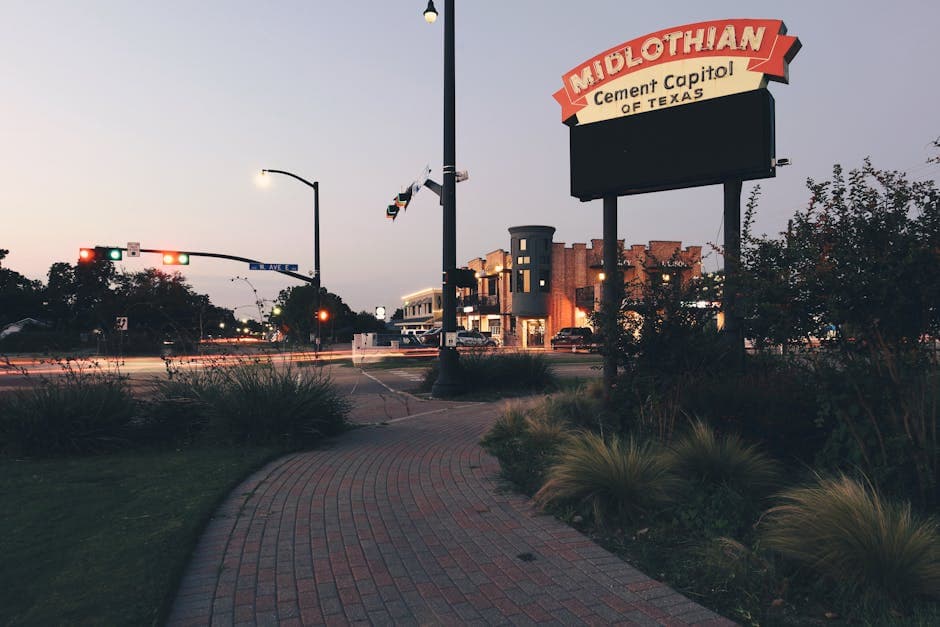
The parking lot fills with Tamaulipas plates. The food court hostess seats a family of seven. The 10th Street counter prints its third Spanish ticket of the wave.
At 11:47 on a Saturday morning, the Hidalgo-Reynosa International Bridge runs a sixty-minute northbound queue. The Anzalduas International Bridge a few miles upstream runs lighter, with the savvy weekenders routing through Anzalduas to skip the Hidalgo bottleneck. La Plaza Mall, on the North 10th corridor a short drive from either crossing, fills its parking lot with Tamaulipas license plates. The mall food court hostess seats a Reynosa family of seven for a long Saturday lunch. Two miles south, on 10th Street downtown, the family taqueria prints its third Spanish-language pickup ticket of the cross-border wave.
The first call into a 10th Street family room is in Spanish, from a multigenerational McAllen family in the Southside neighborhood. The second is in Spanish with a Reynosa accent, from a Tamaulipas family staying overnight at a convention-center hotel for the weekend shopping trip. The third is bilingual start to finish, from a local doctor switching between languages between sentences. The fourth comes through the marketplace app in flat English, with a 28 percent commission baked into the line items, with no surface for the customer to flag that the party will be eight people instead of four. The phone has been working this way for decades. The marketplace surface has not.
A direct ordering stack lets the operator render the menu in Spanish first and English second, defaults to the Spanish keyboard on mobile, surfaces a North 10th cross-border pickup window for the La Plaza weekend, a separate convention-center catering window for event nights, and a 10th Street neighborhood window for the daily Reynosa-register lunch crowd, prints the kitchen ticket in English so the line cook does not have to context-switch, and answers the inbound phone in Spanish so the family on the road from Reynosa can speak the way they actually speak. The translation cost is paid once, at the surface.
Spanish is not a marketing accent in McAllen. Per US Census ACS, the city is 85 percent and change Hispanic or Latino, with Spanish dominant in the majority of households. The cross-border weekend wave layers a Reynosa and Monterrey Spanish dialect on top of the daily local Spanish base. A North 10th modern Mexican room, a 10th Street family taqueria, a Southside ranch-style barbacoa kitchen, and a Trenton Road Korean-Mexican fusion concept all run a Spanish-first operating language. The marketplace app surface has been treating McAllen as an English-first market for a decade. It has not been.
Layered over the Spanish-first base, the McAllen restaurant economy runs on three interlocking economies: the daily local economy, the cross-border weekend shopping economy anchored on La Plaza Mall and the bridges, and the convention-center plus airport-driven event economy that pulls regional and national visitors through the city across the calendar. The Korean-Mexican fusion register, driven by Hyundai, Kia, and Samsung supplier-base growth across the lower Rio Grande Valley since 2022, has added a new entrant class to the city's North 10th food density.
What follows is a feature on La Plaza Mall and the cross-border weekend shopping wave, the Hidalgo and Anzalduas bridge clock, the 85 percent Hispanic Spanish-first reality, the Reynosa and Tamaulipas Tex-Mex register, the Korean-Mexican fusion driven by lower-RGV manufacturing growth, the McAllen Marathon and Texas Citrus Fiesta seasonal layer, the Texas plus Hidalgo County tax stack, a Spanish-first Voice AI argument, ten notable McAllen operators, and the case for a flat $249 a month direct ordering stack built for the way the seat of Hidalgo County actually runs.
La Plaza Mall is the cross-border weekend engine of the lower Rio Grande Valley.
Per La Plaza Mall directory information and reporting in The Monitor, La Plaza Mall on North 10th Street is the largest enclosed retail center in the Rio Grande Valley and has historically posted some of the highest sales per square foot of any mall in the United States. The driving share is cross-border Mexican shopper traffic: weekend families from Reynosa, Monterrey, and the broader Tamaulipas and Nuevo Leon corridor crossing north on the Hidalgo and Anzalduas international bridges to spend a weekend in McAllen.
The cross-border shopper journey is not a one-stop visit. It is a Friday-through-Sunday weekend that runs hotel, retail, restaurant, retail again, restaurant again, and return crossing. The restaurant economy compounds across each step. Breakfast taqueria on arrival. Food-court lunch during the mall anchor block. Special-occasion dinner Saturday night. Sunday brunch on the way out. A McAllen restaurant near the mall, on the North 10th spine, or on the convention-center hotel cluster captures four to six revenue moments in a single weekend trip.
The marketplace apps do not model the cross-border weekend cycle. A DoorDash listing has no concept of the Hidalgo Bridge queue length on a Saturday morning, no surface for a McAllen operator to publish a Tamaulipas-plate parking advisory, no way to push group-order capacity to the convention-center hotel cluster two days before a posada-season weekend, and no mechanism to render a menu in Reynosa-register Spanish for a customer who has driven six hours from Monterrey. The marketplace defaults a flat radius and a flat English checkout onto a cross-border shopping economy that runs on a weekly clock and a cross-border dialect.
A direct ordering surface lets a McAllen operator publish a cross-border weekend window in Spanish, configure a North 10th hotel-cluster delivery zone with a fixed Uber Direct dispatch fee, push group-order specials to a subscriber list two days before peak posada-season weekends, and route the inbound phone to a Spanish-first Voice AI tuned for the Reynosa and Monterrey dialect. The cross-border weekend is durable. The marketplace surface for it is not.
Hidalgo and Anzalduas run a daily clock the marketplace cannot see.
Per the US Bureau of Transportation Statistics Border Crossing Data, the Hidalgo-Reynosa International Bridge and the Anzalduas International Bridge together carry millions of passenger vehicle and pedestrian crossings between the McAllen metro and Reynosa, Tamaulipas every year, plus a heavy commercial truck volume that anchors the lower Rio Grande Valley's maquila-and-logistics supply chain. The Pharr-Reynosa International Bridge a few miles east is the region's commercial truck workhorse, but the Hidalgo crossing carries the bulk of cross-border passenger and family-visit foot traffic into McAllen.
The daily clock is something every operator on 10th Street, North 10th, and the convention-center spine already knows by feel. Pre-shift and early-morning northbound traffic runs from roughly five to eight AM. The cross-border shopping window opens at eleven and concentrates at lunch through mid-afternoon. The evening return wave fills the southbound bridge from roughly five through nine PM. The overnight hours run quiet, with commercial truck inspection cycles holding the bridge open for freight.
For McAllen restaurants near the bridges and along the North 10th retail spine, the cross-border passenger window is a recurring volume driver. Tamaulipas families cross north for shopping at La Plaza Mall and the North 10th retail cluster, for medical appointments at the McAllen-area hospital system, for the convention center event calendar, and for the cultural festivals (McAllen Marathon, Texas Citrus Fiesta in nearby Mission, Mexican Independence Day) that anchor the city's social year. The restaurant order sits on top of all of it.
The marketplace apps do not model this clock. They do not surface that the Saturday eleven AM through three PM window runs heavier than every other day of the week because northbound foot traffic concentrates the cross-border lunch. They cannot configure pickup capacity around the Hidalgo Bridge queue length. They cannot push a Tamaulipas-register catering menu to the convention-center hotel cluster on a Friday for a Saturday-night family party. A direct ordering surface can do all of it. The percentage commission cannot.
The Mexican shopper weekend cycle is a Friday-to-Sunday loop with four to six restaurant moments inside it.
The cross-border shopper weekend is not a single visit. It is a coordinated three-day cycle that runs from a Friday-evening preparation moment in Reynosa or Monterrey, through a Saturday-morning bridge crossing, into a long Saturday at La Plaza Mall plus a Saturday-night family dinner, into a Sunday brunch and a Sunday-afternoon return crossing on the Anzalduas or Hidalgo bridge. The restaurant economy on the US side captures four to six revenue moments across the cycle.
Each restaurant moment runs a different operating pattern. The arrival-morning taqueria runs Spanish-first, Reynosa-register, fast pickup. The mall food-court lunch is dictated by the anchor retailer and the kids. The Saturday-night family dinner is a reservation moment at a special-occasion room, frequently a North 10th modern Mexican or a Korean-Mexican fusion or a steakhouse. The Sunday brunch is family-style at a downtown Mexican Cafe or a modern American room. The marketplace apps treat all four moments as a single English-default checkout. The operator absorbs the variance.
A direct ordering surface can publish the four moments as four distinct windows. Saturday morning quick-pickup. Mall-adjacent food-court alternative menu. Saturday-evening special-occasion reservation flow. Sunday brunch family-style platter. Each window can run in Spanish first, with subscriber notifications to the cross-border customer base, and pickup capacity configured to the bridge clock. The marketplace surface that flattens the weekend into a single radius does none of this.
Across the calendar year, the cross-border weekend pattern is itself layered with seasonal peaks. Mother's Day in May, back-to-school in August, Mexican Independence Day in September, Thanksgiving and Black Friday in November, and the December posada season are the year's largest cross-border shopping windows. A McAllen operator who indexes their menu, capacity, and Voice AI staffing to the seasonal weekend cycle runs steadier than one who does not.
McAllen Tex-Mex carries a Reynosa and Tamaulipas register, with a Monterrey influence rising on top.
Per Texas Monthly Rio Grande Valley food coverage and The Monitor, the everyday food language of McAllen runs in a Reynosa and Tamaulipas dialect. Ranch barbacoa, machacado-with-egg breakfasts, carne guisada plate lunches, fideo loco, gorditas, and pan dulce dominate the family-room calendar across 10th Street, the Southside, and the broader Hidalgo County metro. The flour tortilla register is heavy. Maize varieties run to white and yellow corn cooked in the Tamaulipas-and-Nuevo-Leon style.
Layered over the everyday register, McAllen's North 10th corridor has built one of the strongest modern Mexican fine-dining clusters in South Texas. Cabrito al pastor, contemporary Mexican plates, mezcal bars with curated regional spirits programs, and Monterrey-influenced steakhouses run on weekend reservation books that fill with cross-border family parties from Friday afternoon through Sunday brunch. The Monterrey culinary influence is direct: Nuevo Leon kitchens have sent chefs north for decades, and the cross-border family-tradition exchange between Reynosa, Monterrey, and the Valley has shaped McAllen's fine-dining grammar.
The third register on the city's North 10th and Trenton corridors is Korean-Mexican fusion, an emerging entrant class that has accelerated since 2022 with the Hyundai, Kia, and Samsung supplier-base growth across the lower Rio Grande Valley. Korean families settling near the supplier campuses, plus Korean-American operator families opening fusion concepts targeting both the Korean expat community and the broader Hispanic and Anglo market, have produced a small but distinctive Korean-Mexican taco and bowl scene. The fusion register is unique to the lower-RGV manufacturing belt and has not propagated to El Paso, San Antonio, or Brownsville at comparable density.
The mechanical implication for the ordering surface is that the menu language matters. A McAllen menu rendered in Spanish first, with Reynosa-register spellings and Tamaulipas naming conventions for the daily plates, reads as fluent. A marketplace flat-list Mexican menu reads as a translation. Customers know the difference. They reward operators who get the register right. The Korean-Mexican fusion menu, in turn, often runs trilingual on the kitchen side: Korean ingredient names, Spanish menu text, English ticket print. A direct ordering surface that can render the menu honestly across all three is the operating tool.
The supply chain underneath is binational and increasingly trinational. Local panaderias source flour, lard, piloncillo, and dried chile through cross-border distribution that moves product between Reynosa, Monterrey, and the Valley wholesalers. Korean-Mexican fusion operators source kimchi, gochujang, and gochugaru through Korean specialty importers, frequently routed through Houston. A direct ordering site can describe the menu honestly across the entire supply story. The marketplace surface flattens it into a generic listing.
85 percent Hispanic. Spanish dominant in most households. A Reynosa accent layered on top every weekend.
Per US Census Bureau ACS 2024, McAllen's Hispanic or Latino share sits at roughly 85 percent. Spanish is the dominant household language in the majority of McAllen homes. The figure is well above the Texas state average, sits between the Brownsville and El Paso shares, and is well within the upper band of large US-city Hispanic concentration. The Spanish-language environment is the operating reality of the city.
The cross-border weekend wave compounds the Spanish-first base. Tamaulipas and Nuevo Leon families crossing north for weekend shopping bring a Reynosa and Monterrey accent that layers on top of the local McAllen Spanish. A North 10th modern Mexican room hears the local Spanish base Monday through Thursday and the cross-border accent overlay Friday through Sunday. The phone line that opens in English drops both populations on the first ring.
The mechanical implication for restaurant ordering is that an English-only ordering surface excludes the majority of the addressable customer base across every McAllen zip code. A 10th Street family taqueria takes essentially all of its phone orders in Spanish. A Southside neighborhood room takes a Spanish-first multigenerational base. A North 10th modern Mexican mixes a Spanish-first local base with a Reynosa-accent weekend layer. A convention-center event catering line takes a bilingual conference base that defaults to whichever language the caller opens in.
A direct ordering site solves the surface in software. The menu renders in Spanish first with English alternates one tap away. The keyboard defaults to Spanish on mobile in zip codes 78501, 78503, and 78504. The pickup confirmation comes in the customer's chosen language. The kitchen ticket prints in English so the line cook does not have to context-switch. The operator pays the translation cost once, at the surface, and runs every order through the same line printer.
On the inbound phone line, a Spanish-first Voice AI tuned for the Reynosa and Tamaulipas border dialect changes the economics. The vocabulary that a McAllen customer uses for barbacoa, machacado, fideo, gorditas, conchas, raspas, machacado-with-egg, and Reynosa-style tamales is not the vocabulary that a generic Spanish speech model defaults to. The Reynosa dialect runs in a Northeast Mexican register with Tamaulipas-specific food terms and a working-language cadence that overlaps strongly with Reynosa, Monterrey, and the broader cross-border family-tradition exchange.
DirectOrders ships Spanish-first Voice AI from launch day, with the South Texas border dialect tuned for the McAllen and Reynosa register. The Spanish-first surface is not a marketing differentiator. It is the operating reality of a McAllen restaurant in 2026.
Six registers, one ordering surface.
McAllen runs six broad cuisine registers across its restaurant economy. The Reynosa-register Tex-Mex base is the largest share by count and by volume, anchored on family-run rooms across 10th Street, Southside, and the daily-meal neighborhood economy. Modern Mexican and Mexican fine-dining is the strongest single growth register, with North 10th and Trenton Road carrying a cluster of mezcal bars, contemporary plate kitchens, and Monterrey-style steakhouses that rival El Paso and San Antonio for cross-border weekend reservations.
American comfort and craft, anchored on burger rooms, steakhouses, brunch concepts, and craft beer kitchens, runs strong on the special-occasion and Anglo-Texan base. Korean-Mexican fusion is the city's most distinctive emerging register, accelerated by the post-2022 Hyundai-Kia-Samsung supplier-base growth across the lower RGV and absent at comparable density anywhere else on the border. Asian, Mediterranean, and other international cuisine sits in a small but rising share, indexed to the city's medical and professional class. Bakeries, raspas, and frutero culture run as a year-round cultural anchor across the Hispanic family week.
Each register runs a different language profile on the inbound phone. The Reynosa-register base runs Spanish-first at 78 to 80 percent. The modern Mexican fine-dining cluster runs bilingual majority with cross-border Spanish density on weekends. The American comfort cluster runs more English-heavy than the rest of the city. The Korean-Mexican fusion concepts run trilingual at the kitchen line, bilingual at the front, English-leaning at the marketing surface. A direct ordering stack that handles the full corridor mix is the operating tool. The marketplace surface that flattens it into a single radius is not.
McAllen Convention Center, MFE airport, the Marathon, the Citrus Fiesta, Quinta Mazatlan.
Per the McAllen Convention Center calendar and the McAllen International Airport (MFE), the convention-center spine on the south side of the city anchors a year-round event economy that pulls regional and national visitors through McAllen. The convention center runs trade shows, regional medical conferences, quinceanera and wedding venues, performing-arts programming at the adjacent McAllen Performing Arts Center, and the city's largest event-catering footprint. The hotel cluster ringing the convention center carries the overnight visitor base.
The McAllen International Airport (MFE) on the south side runs direct routes to Houston, Dallas, and select Mexican cities, plus connecting routes for cross-border business travel into Reynosa and Monterrey. MFE volume runs heavier in the cool-season months when Mexican families travel north for shopping and US visitors travel south for the Winter Texan season. Quinta Mazatlan, the city's World Birding Center anchor on the west side, pulls international and domestic ecotourism volume that runs heaviest from late fall through spring.
The McAllen Marathon Scott Crane Memorial Run in February is the city's signature running event, pulling thousands of regional runners plus family and friends in for a Friday-Saturday weekend. The Texas Citrus Fiesta in nearby Mission at the end of January runs as the lower Rio Grande Valley's signature winter festival, drawing weekend crowds across the Valley. Mexican Independence Day in September, Day of the Dead in early November, Las Posadas across December, and Mexican Mother's Day in May anchor the city's binational cultural calendar.
The marketplace apps do not surface any of these layers cleanly. They do not configure a convention-center catering window. They do not push a Texas Citrus Fiesta group-order menu to a customer subscriber list. They do not coordinate Mexican Independence Day family-style platters with the city's festival schedule. A direct ordering site lets the operator publish event-specific windows, target subscriber segments, and configure delivery zones around the convention-center hotel cluster and the airport-adjacent rooms. The seasonal and event layers compound. The marketplace surface flattens them.
The net effect for a McAllen operator is that the restaurant calendar is not one calendar. It is five or six overlapping calendars: the everyday local cycle, the cross-border weekend wave, the convention-center event calendar, the airport-driven business-travel cadence, the seasonal cultural festival roster, and the cool-season Winter Texan shoulder. A direct ordering surface that can publish menus and capacity windows across all of them is the operating tool. The marketplace surface that flattens them into a single English-default checkout is not.
Texas state plus Hidalgo County plus McAllen equals 8.25 percent.
Per the Texas Comptroller of Public Accounts, the combined sales tax for restaurant operators in McAllen is 8.25 percent. The state component is 6.25 percent. The local component (1.50 percent City of McAllen plus 0.50 percent Hidalgo County transit and special purpose) is 2.0 percent, sitting at the state-mandated local cap. The combined rate prints on every McAllen cart and ticket. Texas restaurant operators reconcile against the flat 8.25 percent monthly.
For an ordering surface, the 8.25 percent is mechanical math. The line-item total drives the tax line, the tax line drives the total, the total drives the customer payment and the operator's tax remittance to the state. A direct ordering site renders the tax line transparently on every cart in Spanish and English. The marketplace surfaces the 8.25 percent inside a stack of additional service fees that obscure the actual tax-on-food calculation. The customer sees one number; the operator absorbs the math.
Mixed beverage (alcohol) sales carry a separate state mixed beverage gross receipts tax of 6.7 percent paid by the operator and an 8.25 percent mixed beverage sales tax paid by the customer, structured around the state's alcohol tax regime. A direct ordering platform with an alcohol-capable cart handles the two-track tax structure cleanly. The marketplace apps generally do not. They route alcohol through restricted partner flows and collect tax in ways that complicate the operator's monthly reconciliation.
DirectOrders ships with Texas tax handling configured for the 8.25 percent combined rate and the mixed-beverage two-track structure out of the box. The platform charges $249 a month flat. Stripe processes transactions at standard card-processing rates. There is no commission per order, no service fee on top of the tax, and no hidden tax-line obfuscation. The 8.25 percent the customer pays is the 8.25 percent the operator remits to the state.
| Jurisdiction | Rate | Description | Cap |
|---|---|---|---|
| State of Texas | 6.25% | Texas state sales and use tax on prepared food and most non-alcoholic beverages. | Statewide flat rate. |
| City of McAllen | 1.50% | City of McAllen local sales tax, including municipal sales tax and economic development components. | Set under Texas local tax authority, within the 2.0 percent local cap. |
| Hidalgo County (transit and SPD) | 0.50% | Hidalgo County special purpose district and transit allocations apply within the McAllen city limits. | Subject to the 2.0 percent state local-tax cap. |
| Total combined sales tax | 8.25% | The line every McAllen cart and ticket prints. Texas restaurant operators reconcile against this flat rate. | State-mandated 8.25 percent cap on the combined rate. |
The inbound phone answers in Spanish first. The ticket prints in English.
In an 85 percent Hispanic city where Spanish dominates the household and a Reynosa-accent weekend wave layers on top every Friday through Sunday, an English-only phone line is the largest single source of silent drop-off. A McAllen customer calling a 10th Street family room expects to hear a Spanish greeting on the second ring. A North 10th modern Mexican room hosting a Reynosa family party for Saturday night expects to take the reservation in Spanish. A Korean-Mexican fusion concept on Trenton Road expects the bilingual student base to switch languages mid-sentence. The marketplace apps offer no inbound phone surface at all. The DirectOrders Voice AI does.
The Voice AI on a McAllen line opens in Spanish first with a configurable greeting. It hears the caller's first phrase and pivots to English on cue. It reads the menu in either language, using the regional spellings and the Reynosa-and-Tamaulipas-register vocabulary the customer expects: barbacoa, machacado, fideo loco, gorditas, conchas, pan dulce, raspas. It confirms the order in the caller's chosen language. It prints the kitchen ticket in English so the line cook does not have to context-switch.
The model is tuned for the South Texas border dialect, with the Northeast Mexican (Tamaulipas, Nuevo Leon, Coahuila) vocabulary that overlaps strongly with Reynosa, Monterrey, and the Valley's cross-border family-tradition exchange. A McAllen customer ordering "una orden de barbacoa con tortillas de harina y un fideo loco" does not need to translate. The Voice AI hears it the way a McAllen line cook hears it. A generic Spanish speech model defaults to a Madrid or Mexico City register and breaks on the regional food vocabulary. The McAllen tuning is the difference between a phone line that converts and one that drops the caller.
Operators ask whether the Voice AI replaces a human. The answer is no. It runs the inbound rush when the kitchen cannot pick up the phone, it captures the caller's order, it prints a ticket the line can run on, and it confirms the pickup time the way a hostess would. The human reclaims the time the phone was eating. The Spanish-first surface reclaims the customer base the English-only line was quietly dropping.
Why a flat $249 a month is the only stack that fits McAllen.
Step back from La Plaza Mall, the Hidalgo and Anzalduas bridges, the Reynosa-Tamaulipas Tex-Mex register, the Korean-Mexican fusion entrants, the McAllen Marathon and Texas Citrus Fiesta seasonal layer, and the 85 percent Hispanic Spanish-first reality. The argument is mechanical. McAllen is the seat of Hidalgo County, anchored on a cross-border weekend shopping economy, a working-language Spanish base with a Reynosa accent overlay, a convention-center event calendar, and an 8.25 percent tax stack that prints on every cart. The marketplace percentage model was not designed for this profile.
Tuned for the Reynosa and Tamaulipas border dialect. Barbacoa, machacado, fideo loco, gorditas, conchas, pan dulce, raspas rendered correctly on the menu, the call, and the kitchen ticket.
Hear the Voice AICross-border Friday-through-Sunday menus, North 10th hotel-cluster delivery zones, group-order capacity for Reynosa family parties, posada-season subscriber pushes. The marketplace defaults cannot do any of this.
See channelsPickup capacity configured to the Hidalgo and Anzalduas bridge cycle. Spanish-first subscriber list for the cross-border customer base. Convention-center hotel zone with Uber Direct flat dispatch.
See delivery optionsEvent-calendar pickup windows. Banquet and trade-show group ordering. McAllen Marathon Friday-Sunday surge capacity. Texas Citrus Fiesta and Mexican Independence Day menu sets. Bilingual checkout throughout.
Read $249 pricingWho the McAllen stack is built for.
Multigenerational family rooms on 10th Street, Southside, and the daily neighborhood economy. Spanish-first phone, Tamaulipas-register menu, family-event catering. The largest single operator type in the city.
Mezcal bars, contemporary plate kitchens, Monterrey-style steakhouses. Weekend reservation strength, cross-border family-party capacity, special-occasion catering for quinceaneras and weddings.
North 10th and convention-center adjacency catering Reynosa, Monterrey, and Tamaulipas weekend visitors. Bilingual checkout, hotel-cluster delivery, Friday-through-Sunday group ordering.
New-entrant fusion concepts on Trenton Road and North 10th driven by Hyundai-Kia-Samsung supplier-base growth. Trilingual kitchen, bilingual front, English-leaning marketing surface.
Banquet venues, larger sit-down rooms, hotel restaurants on the SH-336 spine. Trade-show group orders, conference English-layer overlay on a Spanish-first base, large-party capacity.
Family-tradition panaderias and the year-round raspas and frutero culture. Spanish-first menu, weekend family-event capacity, neighborhood subscriber list anchored on cultural moments.
The simple math.
A McAllen restaurant doing $60,000 a month in marketplace volume at a blended 25 percent commission pays roughly $15,000 a month, or $180,000 a year, to the marketplace. A flat $249 a month DirectOrders subscription, with Uber Direct flat dispatch averaging $4 per order, costs roughly $10,000 to $14,000 a year on the same volume. The annual savings sits between $166,000 and $170,000.
The argument is not just that DirectOrders is cheaper. The argument is that the percentage commission model was designed for a market without 85 percent Hispanic call volume, without a La Plaza Mall cross-border weekend wave, without a bridge-clock daily cycle, without a convention-center event calendar overlay, and without a Reynosa-register menu vocabulary. McAllen is a city where the percentage model breaks the operator on multiple sides simultaneously.
Ten McAllen rooms the city builds its calendar around.
A non-exhaustive shortlist drawn from local reporting and public information. Operators are described from publicly available coverage. Inclusion is editorial, not a partnership claim.
Modern American bistro and wine bar. Anchors the city's small-plates and wine-list scene. Frequently cited in Texas Monthly RGV coverage. Reservation strength on weekends.
Downtown chef-driven American room inside the Stockholm District. Seasonal menu, craft cocktail program, special-occasion register. A regional anchor for modern dining downtown.
Regional cuisine room anchored on Rio Grande Valley ingredients and Texas-Mexico borderlands cooking. Cocktail program with mezcal and Texas spirits. Local festival catering presence.
Coastal Mexican and seafood concept. Ceviche, aguachile, whole-fish plates, mezcal cocktails. Cross-border weekend reservation favorite for Reynosa family parties.
Local Mexican kitchen chain with multiple McAllen locations. Tex-Mex and Reynosa-register classics. High-volume family dining anchor across the city.
Family-run Mexican kitchen in the broader McAllen metro. Tamaulipas register, daily plate-lunch volume, Spanish-first ordering base. A neighborhood institution.
New American chef-driven room. Seasonal menu, regional sourcing, special-occasion calendar. One of the most ambitious modern kitchens on the North 10th corridor.
Long-running family Mexican cafe. Breakfast taquerias, comida corrida lunches, evening family dinners. A multigenerational neighborhood room with Spanish-first operating language.
Family-run panaderia and Mexican bakery. Concha and marranito daily production. Cake and event-tray catering for quinceaneras, weddings, and family celebrations.
Classic downtown McAllen Mexican Cafe. Tex-Mex plates, ranchero breakfasts, family-style trays. A multigenerational institution that anchors the downtown morning trade.
McAllen does not need a smarter algorithm.
It needs a stack that understands the weekend.
The Hidalgo Bridge queue on a Saturday morning and the La Plaza Mall parking lot at noon. The Anzalduas crossing on a Sunday afternoon and the family return drive to Reynosa. The 10th Street panaderia opening at five thirty in the morning. The North 10th modern Mexican room booking a Reynosa family of nine for Saturday at eight. The convention-center hotel cluster on a Marathon weekend. The Korean-Mexican fusion concept on Trenton at Friday lunch. Each runs a different ordering pattern. All of them run a different ordering pattern from the marketplace app's default model.
A flat $249 a month, with Spanish-first Voice AI tuned for the Reynosa and Tamaulipas border dialect, a La Plaza Mall weekend playbook, a bridge-clock pickup window, a convention-center event-catering portal, Uber Direct dispatch across 10th Street and North 10th and Trenton and SH-336, and same-day Stripe payouts, is the minimum architecture that maps to McAllen as it actually runs. Every operator already knows the city. The only question is whether the ordering system they pay for is built for it.
Other Texas and border markets
Where the data comes from
Every claim above is grounded in primary or trade-press reporting. Specific figures come from the named source. Operator descriptions are drawn from public reporting and not from confidential operator interviews.