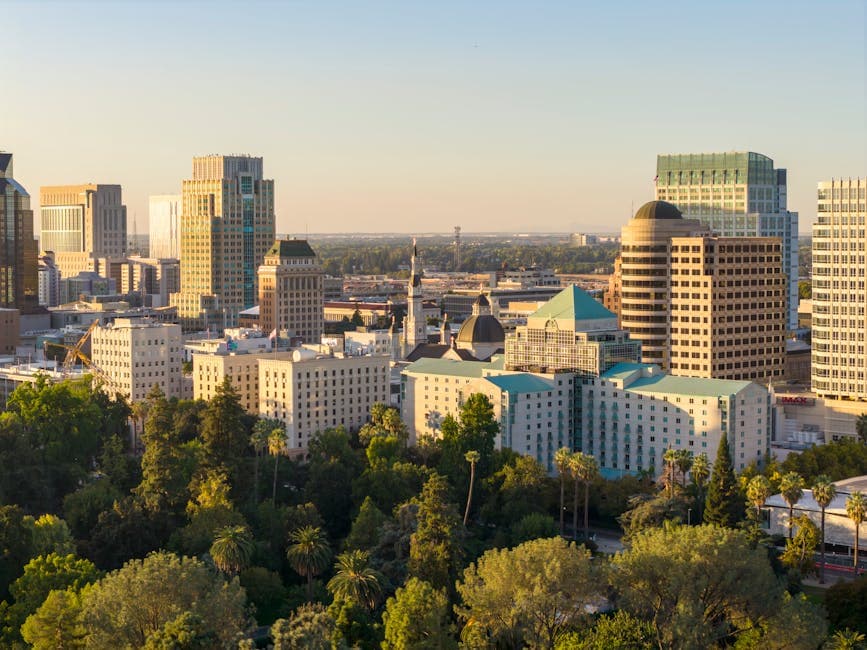
The I-15 halfway stop.
A long read on Victorville: the High Desert city of Route 66 motels, an aerospace boneyard of stored 747s, and a Cajon Pass climb that drops you halfway between LA and Las Vegas; a Latino-majority population whose family taquerias anchor the city; a Vegas-bound holiday-weekend traffic pattern that has shaped the F&B calendar since the 1940s; and an ordering stack built for all of it.
City
Victorville, CA
~135,000 (Census 2024)
I-15 position
Halfway LA / LV
85 mi south, 175 mi north
Hispanic share
~55%
Census ACS 2024
Combined sales tax
7.75%
CDTFA, current
It is 9:42 on a Saturday morning in May. A family of four pulls off the I-15 at Bear Valley Road. They have been on the road since 7:30. They have eaten nothing yet. Las Vegas is still three hours north.
Victorville sits at the top of the Cajon Pass climb, on the I-15 in California's High Desert. By mileage it is 85 miles north of downtown Los Angeles and 175 miles south of Las Vegas. By time, accounting for Friday afternoon LA traffic and the climb out of the San Bernardino basin, it is close to the halfway point on a roadtrip that millions of Southern Californians make every year. For a family-of-four on the way to a wedding, a youth basketball tournament, a CES badge pickup, or a Friday-night Strip dinner, Victorville is the place you stop.
The city of 135,000 also has a life that is not about the freeway. The original 1926 Route 66 alignment runs through Old Town along D Street and 7th Street. The California Route 66 Museum on D Street is free to enter and run by volunteers from the Route 66 Preservation Foundation. Emma Jean's Holland Burger Cafe at 17143 D Street has served the same breakfast counter since 1947. The Kill Bill Vol. 2 production used the cafe kitchen for a 2003 scene. The brian burger and the chili size are still on the menu.
A few miles north on Phantom West Road, the Southern California Logistics Airport (SCLA, FAA code KVCV) operates on the bones of the former George Air Force Base. George closed in 1992 as part of the federal Base Realignment and Closure process and reopened a few years later as a civilian aerospace and logistics complex. The dry High Desert climate, the 15,050-foot primary runway capable of handling the Boeing 747, the Boeing 777, and the Airbus A380, and the open tarmac space combine to make SCLA one of the world's major commercial aircraft storage and dismantling yards. From the public roadways north of the airport, rows of parked Boeing 747-400s, Airbus A380s, and Boeing 737s sit in the desert sun.
At 11:14 AM, Emma Jean's is in the lunch rush. A photographer from Toronto stops in to shoot the counter; locals are working their way through brian burgers and chili sizes. At 1:08 PM, an aerospace recovery crew finishes a shift at the SCLA storage yard and pulls into a Mexican family taqueria on Hesperia Road for carne asada plates. They order on the restaurant's direct ordering page; the all-in price displayed at checkout includes the SB 478-mandated kitchen surcharge so there are no surprises. At 4:30 PM, a Friday-departure family on the way to Las Vegas for a youth basketball tournament makes the Victorville stop. They were going to push through to Baker, but the kids are hungry and it is 102 degrees outside.
Each of those is a different kind of order. A tourist order off Route 66. A workforce order from SCLA. A roadtrip order off the I-15. They share one thing: none of them is paying a third-party marketplace 27 percent of the ticket. That is what an ordering platform designed for this city has to do.
A family of four pulls off the I-15 at Bear Valley Road. They left Inglewood at 7:30 AM and are headed to Las Vegas for a wedding. They have eaten exactly nothing yet. The driver opens the restaurant's direct ordering page on the truck stop Wi-Fi while the kids hit the bathroom; pickup at 9:55 AM, no marketplace markup on a $42 family breakfast.
Emma Jean's Holland Burger Cafe is in the lunch rush. The cafe sat on Route 66 since 1947 and the Kill Bill Vol. 2 production used the kitchen in 2003. A photographer from Toronto stops in to shoot the counter; locals are eating the brian burger and the chili size. Direct ordering page for pickup keeps the cafe off the marketplace 27 percent commission on the steady out-of-town spend.
An aerospace recovery crew finishes a shift at the airliner storage yard at SCLA. They pull into a Mexican family taqueria on Hesperia Road for carne asada plates. They order on the restaurant's direct page; the all-in price displayed at checkout includes the SB 478-mandated kitchen surcharge so there are no surprises. Pickup in seven minutes.
A Friday-departure family on the way to Las Vegas for a youth basketball tournament makes the Victorville split-second decision. They were going to push through to Baker, but the kids are hungry and it is 102 degrees outside. They order through the restaurant's direct page for a 5-minute pickup, get back on the I-15, and reach the Strip by 8:30 PM.
The first full-service stop after Cajon Pass. The last before LA basin traffic.
The I-15 from Los Angeles to Las Vegas runs roughly 260 miles. Victorville sits at the top of the Cajon Pass climb, almost exactly halfway. Friday afternoon, Sunday afternoon, and the holiday weekends (Memorial Day, July 4, Labor Day, NYE) drive predictable surges. For roadtrip-stop F&B, Victorville is the structural anchor of the corridor.
Visualization 1 of 4
Halfway from LA to Las Vegas, almost exactly.
85 mi south of LA, 175 mi north to Vegas.
The I-15 climbs out of the San Bernardino basin through Cajon Pass at 3,777 ft, drops into the High Desert at Victorville at 2,726 ft, then runs open desert through Barstow and Baker to the Nevada line. Victorville is the first full-service stop after Cajon Summit going north and the last service stop south before LA basin traffic.
Sources: California Department of Transportation (Caltrans District 8) mileage tables and Cajon Pass corridor reports; USGS topographic data; City of Victorville geography. Diagrammatic map, not to scale.
Victorville sits at I-15 Exit 147 area, roughly 85 miles north of downtown Los Angeles and roughly 175 miles south of Las Vegas. By time, it is also close to halfway from the LA basin, given the climb up the Cajon Pass and the open desert run to the Nevada line.
Source: California Department of Transportation, Caltrans District 8 mileage tables
Caltrans average daily traffic counts on the I-15 through the Cajon Pass north of San Bernardino exceed 150,000 vehicles per day in 2024 segments. The number climbs sharply for holiday weekends. Victorville is the first full-service supply stop after Cajon Summit going north and the last service stop south before LA traffic.
Source: Caltrans 2024 Annual Average Daily Traffic counts, Cajon Pass segment
Cajon Pass at the I-15 summit reaches 3,777 feet above sea level. Victorville itself sits at 2,726 feet. The climb out of the San Bernardino basin to the High Desert is a sustained 4-percent grade that visibly strains older vehicles and trailered RVs, which makes the Victorville exit ring the natural cooling, fueling, and food stop for the descent.
Source: USGS topographic map; Caltrans grade tables
The drive from downtown LA to Las Vegas on a clear Tuesday is roughly 4 hours. On a Friday afternoon in summer, the same trip can hit 6 hours or more, with the worst congestion on the I-15 climb north of San Bernardino. Families that learn to stop in Victorville for food rather than fight Cajon Pass at peak time make the trip noticeably more bearable.
Source: Caltrans corridor traffic operations reports; Daily Press (Victorville) corridor coverage
The I-15 corridor through the Cajon Pass averages roughly 150,000 vehicles per day on Caltrans counts. On a Friday afternoon in summer, the number rises sharply. The drive from LA to Las Vegas, normally four hours, can stretch to six. The first natural stop after the Cajon Pass summit is Victorville. The corridor town that captures the most stops captures the most F&B. Victorville captures more than its share for a simple reason: the climb out of the basin and the descent into the High Desert visibly strain older vehicles and trailered RVs, and the family in the back seat needs food.
The operational shape of an I-15 roadtrip stop is specific. Pickup-heavy, to-go heavy, and under-fifteen-minute. Families do not want to sit down for an hour at the halfway point; they want food fast and they want it accurate. Direct ordering pages with clear pickup queues, sub-fifteen-minute prep windows, and SB 478-compliant all-in price displays are structurally aligned with this customer behavior. Marketplace apps, by contrast, are optimized for at-home delivery, not curbside pickup at exit 147.
A direct ordering page indexed for "Vegas drive food stop", "I-15 pickup Victorville", or "Cajon Pass food" ranks for the queries that families actually type at 9:30 AM on a Saturday off the Cajon Summit. The marketplace listing does not. The marketplace listing ranks for the generic "Victorville restaurant" query against 330 other listings. Direct ordering pages own the high-intent corridor queries.
The economics of the I-15 stop matter for the operator P&L. A family of four ordering a $42 breakfast on a Saturday morning pays a 27 percent marketplace commission (~$11) on top of their own delivery fee and tip. A direct ordering pickup at $42 costs the restaurant the flat $249-a-month subscription divided across the month, no per-order cut. Across 700 monthly I-15 stops at a $42 average, the difference is roughly $7,500 a month in retained operator margin. That number is the difference between hiring a second cook and skipping the hire.
Six numbers that describe the F&B operating ground.
Restaurant count, median check, combined sales tax, stored aircraft inventory at SCLA, the Cajon Pass daily traffic count, and the heritage Route 66 alignment. These six numbers describe the operating ground for any Victorville restaurant building an ordering channel.
San Bernardino County Public Health food facility permit registry, Victorville zip codes
DirectOrders aggregate sample for High Desert family casual operators
California CDTFA district rate finder, Victorville city
ch-aviation; PlaneSpotters.net; SCLA tenant disclosures
Caltrans 2024 AADT counts, Cajon Pass segment
California Route 66 Preservation Foundation; California Route 66 Museum
The combined sales tax that Victorville customers see at checkout is 7.75 percent. That is the California state base of 7.25 percent plus a San Bernardino County district transactions and use tax of 0.50 percent. Restaurants charge the customer at the combined effective rate; the receipt line should display the breakdown clearly to comply with SB 478. There are no Victorville city-specific add-on transactions or use taxes layered on top, which means the city's checkout math is structurally cleaner than the San Bernardino city checkout (where the city's Measure S adds another 1.00 percent) or the cities in coastal California where a stack of city, county, and district taxes can push the combined rate past 10 percent.
The restaurant count of roughly 330 captures the food facility permits in Victorville zip codes, not the broader Victor Valley which includes Apple Valley, Hesperia, and Adelanto for another roughly 600 to 700 restaurants combined. The Victor Valley aggregate restaurant count of close to 1,000 means a direct ordering platform that lands well in Victorville and gets referred through the Victor Valley restaurant association sees compounding density that beats one-off marketplace acquisition.
The median check at a casual Victorville sit-down or pickup operator runs $17 to $22. That number sits below the IE metro median (~$24) and the California state median (~$28), reflecting the price-sensitive local customer base. A 27 percent marketplace commission on a $18 family Mexican order pays out roughly $4.90 to the marketplace. On a $5,000 monthly third-party gross at that ticket, that is $1,350 a month in commission. A flat $249 monthly direct ordering subscription is roughly five times cheaper across that volume.
Mexican dominant. American casual close behind. The corridor leaks into the food.
Mexican is the single largest cuisine share, reflecting the 55 percent Hispanic majority. American casual (truckstop diners, Route 66 cafes, family burgers) is the second largest, anchored by the I-15 roadtrip economy. Pizza, BBQ, and Asian round out the major categories. The cuisine mix matches the city's structural economics: a Latino-majority local base and a transient I-15 American-casual roadtrip base, sharing the same restaurant scene.
Visualization 2 of 4
Cuisine mix in Victorville, by share of operators.
Mexican dominant. American casual close behind.
Mexican restaurants are the single largest cuisine share in Victorville, reflecting the 55 percent Hispanic majority and the Mexican-origin Latino dominance. American casual (diners, truckstops, Route 66 cafes, family burgers) is the second largest share, anchored by Route 66 heritage and the I-15 corridor's truck-and-roadtrip economy. Pizza, BBQ, and Asian categories follow.
Sources: San Bernardino County Public Health food facility permit registry; Daily Press (Victorville) restaurant coverage; DirectOrders editorial mix. Shares are illustrative of the cuisine pattern and not exact operator counts.
The Mexican share is concentrated on Hesperia Road, Bear Valley Road, Mariposa Road, and the Old Town Mexican strip on D Street north of the museum. Family taquerias dominate. Mariscos shops cluster on Bear Valley toward Spring Valley Lake. Carne asada plates, family combos, fish tacos, and birria are the volume orders. The customer base is roughly 65 percent Latino, primarily Spanish-speaking on phone orders.
The American casual share carries the Route 66 and I-15 corridor heritage. Emma Jean's, Mary's Cafe in Old Town, the Outpost Cafe at the US-395 junction, Tom's Burgers on Palmdale, the BJ's at Mall of Victor Valley, and family casual chains at Mojave Crossings. This is the cuisine the I-15 roadtrip family expects when they pull off; the volume here scales directly with corridor traffic. Friday afternoon and Sunday morning are the surge windows.
Pizza, BBQ, and Asian are smaller but durable. The pizza category is split between national chains and Italian-American family pizzerias. BBQ shows up around Amargosa Road and Bear Valley Road with tri-tip and brisket leading. Asian (Chinese, Vietnamese pho, Thai, sushi) clusters around Bear Valley Road and the Mall of Victor Valley ring, serving primarily the local population rather than the I-15 corridor.
Hundreds of stored airliners in the High Desert. A 15,050-foot runway. Fifty plus aerospace tenants.
SCLA sits on the former George Air Force Base, closed in 1992 and reopened as a civilian aerospace and logistics complex. The dry High Desert climate makes the airport one of the world's largest commercial aircraft storage yards. Retired Boeing 747-400s, Airbus A380s, and Boeing 737s sit on the tarmac. The site is also home to fifty plus aerospace tenants and the largest single-site employment cluster in the Victor Valley.
Visualization 4 of 4
SCLA: hundreds of stored airliners in the High Desert.
Former George AFB. Boeing 747, A380, 737 storage rows.
The Southern California Logistics Airport (SCLA, FAA code KVCV) sits on the former George Air Force Base, closed in 1992 and reopened as a civilian aerospace and logistics complex. The dry High Desert climate makes the site one of the world's major commercial aircraft storage yards. From the public roadways, rows of parked airliners (including retired Boeing 747-400s and Airbus A380s) are visible north of the runway.
Sources: Southern California Logistics Airport (SCLA) tenant directory; Federal Aviation Administration airport master record for KVCV; ch-aviation and PlaneSpotters.net storage location registries; City of Victorville Airport Authority. Schematic visualization, aircraft rows illustrative.
George Air Force Base closed in December 1992 as part of the Base Realignment and Closure process. The 5,000-acre site reopened as the Southern California Logistics Airport (SCLA) under the City of Victorville's redevelopment authority. The base was previously a fighter-bomber training facility from 1941.
Source: United States Department of Defense BRAC records; City of Victorville Airport Authority
Southern California Logistics Airport, FAA code KVCV, operates as a public-use airport with three runways including a primary 15,050-foot runway capable of handling the Boeing 747, Boeing 777, and Airbus A380. The runway length is one of the longest civilian runways on the US West Coast.
Source: Federal Aviation Administration airport master record for KVCV
SCLA is one of the largest commercial aircraft storage and dismantling boneyards in the world. Aircraft stored at SCLA at various points have included Boeing 747-400s, Airbus A380s, Boeing 737s, and Boeing 787s. The dry High Desert climate preserves airframes during long-term storage. Visitors driving Phantom West Road or US-395 north of the airport can see the parked rows from the public roadway.
Source: ch-aviation registry; PlaneSpotters.net storage location data; SCLA published tenant list
SCLA hosts more than 50 aerospace, defense, logistics, and manufacturing tenants. Tenants have historically included GE Aviation, Boeing testing operations, Plastipak, Newegg, and various contract aircraft maintenance organizations. The combined employment base of the SCLA tenants is one of the largest single-site employment clusters in the Victor Valley.
Source: City of Victorville SCLA tenant directory; San Bernardino County Economic Development
The aerospace workforce at SCLA is a steady, weekday-anchored F&B demand center. Lunch orders run heavily between 11:30 AM and 1:30 PM. Catering volume for company events, training days, and end-of-quarter team lunches runs through several Victorville restaurants on a recurring basis. The corridor that serves SCLA most directly is Hesperia Road and the Bear Valley Road retail spine, both within a 10-minute drive of the airport's perimeter.
For a Mexican family taqueria, a Route 66 diner, or a BBQ restaurant on the SCLA service corridor, the aerospace tenant base is an obvious catering channel. The marketplace does not do catering well; the bespoke order routes, net-15 invoicing, and corporate billing patterns the channel needs are not native to consumer marketplace apps. A direct ordering page with a separate catering form, net-15 / net-30 invoicing options, and a clear corporate billing flow captures this volume cleanly.
Boneyard tourism is a smaller but real demand driver. Aerospace photographers, airliner spotters, and aviation enthusiasts visit SCLA from across the US and internationally to photograph the stored aircraft. They eat at Emma Jean's, the Outpost Cafe, and family Mexican spots in Old Town. The pattern is similar to the Route 66 tourist pattern: out-of-town visitors who do not know the local restaurant scene and default to whatever ranks on Google. Direct ordering pages indexed for "aerospace boneyard restaurant", "SCLA tour food", or "Victorville aircraft photography lunch" capture that niche.
The runway capability is a quieter signal worth noting. The 15,050-foot primary runway can land a Boeing 747, a Boeing 777, and an Airbus A380. Few civilian airports on the US West Coast can. That capability is what makes SCLA an end-of-life storage yard, but it also positions the airport for occasional emergency diversions, charter cargo operations, and aerospace test flights. Each of those drives short-term F&B demand spikes that direct ordering pages with quick capacity flips and 86 controls can absorb more flexibly than marketplace apps.
The original 1926 alignment. The California Route 66 Museum. A burger counter that fed Quentin Tarantino's crew.
Old Town Victorville carries the 1926 Route 66 alignment along D Street and 7th Street. The California Route 66 Museum at 16825 D Street is free to enter. Emma Jean's Holland Burger Cafe at 17143 D Street has served the same breakfast counter since 1947 and was a Kill Bill Vol. 2 filming location. The corridor is one of the most photographed Route 66 stretches in California.
The original 1926 Route 66 alignment through Victorville ran along 7th Street and D Street through what is now called Old Town Victorville. The corridor still carries mid-century motel signs, the California Route 66 Museum at 16825 D Street, Emma Jean's Holland Burger Cafe at 17143 D Street, and the New Corral Motel.
The California Route 66 Museum, founded in 1995 by the Route 66 Territory association, sits on D Street in Old Town. The museum is free to enter, houses Route 66 vintage signage, motel postcards, and a vintage Volkswagen bus from the corridor's hippie revival era. It is run by volunteers from the Route 66 Preservation Foundation.
From Needles at the Colorado River to the Santa Monica Pier, the California section of US Route 66 runs roughly 315 miles. The Victorville segment crosses the High Desert and links the Cajon Pass descent to the Mojave run east toward Barstow and the Amboy crater.
Emma Jean's at 17143 D Street has operated continuously since 1947. The cafe served as a filming location for Kill Bill Volume 2 in 2003, in the scene where The Bride meets Esteban Vihaio. The brian burger is the signature; the chili size and biscuits and gravy carry the breakfast counter.
The Route 66 corridor through Victorville is more than a heritage label. Out-of-town visitors who explicitly drive the Route 66 historic alignment stop in Victorville. International tourists, particularly from Germany and Japan, treat the California section of Route 66 as a bucket-list driving trip and Old Town as one of the stops. The visitor base brings a foreign-language and English-as-second-language ordering pattern that a multilingual Voice AI handles natively.
The Route 66 cruisin' events held in Old Town across September and October pull classic-car drivers from across Southern California and the Southwest. Volume on those weekends spikes for breakfast counters, family Mexican spots within walking distance, and any restaurant that sets up a walk-up pickup window or a curbside ordering option. Marketplace apps do not differentiate event weekends from a generic weekday; direct ordering pages with event-specific menus, pre-order windows, and walk-up queues capture the demand the marketplace flattens.
Emma Jean's Holland Burger Cafe is the corridor's brand-name anchor. The Kill Bill Vol. 2 connection (Quentin Tarantino's production used the kitchen for a 2003 scene) and the continuous operation since 1947 give the cafe a brand presence that draws orders from well beyond Victorville. A direct ordering page that carries the cafe's photography, the Kill Bill anecdote, and a clear pickup window for out-of-town visitors captures the brand value cleanly. The marketplace listing strips out the brand and reduces the cafe to a generic burger restaurant card.
The Route 66 brand-attachment matters operationally too. Customers searching for "Route 66 breakfast Victorville" or "Old Town diner D Street" are searching for a specific kind of experience. A direct ordering page indexed for those queries owns the discovery channel. The marketplace listing does not rank for them. Across a year, the brand-attachment traffic on the Old Town corridor compounds, and the restaurants that own their direct ordering surface capture the compounding effect.
Vegas weekends, Route 66 cruisin', Coachella, school year, and the High Desert heat.
The Victorville operator year is driven by three overlapping rhythms. Vegas-bound traffic peaks on Memorial Day, July 4, Labor Day, NYE, and CES, NBA All-Star, March Madness, NFR. Local scene peaks on the Route 66 cruisin' weekends in September and October. The High Desert heat (100 plus daily from June through August) reshapes patio time, delivery comfort, and weekday lunch patterns. A direct ordering platform that plans against this calendar wins on operational fit.
Visualization 3 of 4
The Victor Valley operator year, plotted against Vegas weekends and the High Desert heat.
Memorial Day, July 4, Labor Day, NYE.
The Victorville operator year is driven by three overlapping rhythms. The I-15 Vegas-bound holiday weekends (Memorial Day, July 4, Labor Day, NYE) drive transient I-15 ring volume. The local Route 66 community drives a late-September through October cruisin' season. And the High Desert heat (100 plus daily from June through August) reshapes outdoor patio time, delivery comfort, and weekday lunch patterns.
Sources: Caltrans District 8 corridor reports; NOAA Climate Data for the Victorville WSO station; Daily Press (Victorville) event coverage; California Route 66 Preservation Foundation event calendar. Indexed for visual clarity.
First two weeks slow for local. CES week (typically early January) drives a Vegas-bound business-traveler surge on the I-15. Catering inquiries return for corporate Q1 planning meetings.
Super Bowl Sunday is the single largest pickup-and-takeout day for casual American spots. NBA All-Star weekend, when held in or near Las Vegas, drives Friday-and-Sunday I-15 surges through Victorville.
K-12 spring break drives family I-15 roadtrips. NCAA tournament weekends bring sports-bettor Vegas traffic. Mid-March is one of the four busiest Vegas-bound I-15 weekends of the year.
Coachella music festival weekends in mid and late April drive distinctive I-15 traffic. Festival-goers from LA, Las Vegas, and Northern California pass through the I-15 / I-10 / SR-62 corridor toward Indio. Pickup volume runs heavy on Friday mornings and Sunday afternoons.
Memorial Day weekend is one of the three peak Vegas-bound holiday weekends. Mother's Day is the largest sit-down brunch day of the year and a Sunday catering rush for family restaurants.
Victor Valley K-12 lets out in early June. Family weekday lunch volume shifts. Daily highs cross 100 degrees and stay there. Father's Day Sunday matches Mother's Day in catering volume for many family restaurants.
Fourth of July weekend is the second peak Vegas-bound holiday weekend. Heat advisories on the I-15. Mid-day road shoulders fill with overheating vehicles. Victorville exit ring catches the food-and-cooling stop.
Last family roadtrip weekends. Victor Valley schools begin around mid-August. Catering volume picks back up for school staff luncheons and team welcome-week dinners.
Labor Day weekend is the third peak Vegas-bound holiday weekend. The fall Route 66 cruisin' events along Old Town pull classic-car drivers and visitors. Cooler late-September evenings draw the Route 66 community.
Route 66 cruisin' weekends continue through October. The California Route 66 Museum hosts a fall season of events. Halloween adjusts neighborhood dining patterns; family Mexican places see an early Friday catering bump.
Thanksgiving week is a major catering and prepared-meal week. National Finals Rodeo in Las Vegas (typically early December) drives a late-November Vegas-bound surge among rodeo travelers.
Holiday gift weeks and corporate office catering peak. The Vegas New Year's Eve drive is the year's largest single-night I-15 northbound volume; the year-end Vegas weekend is one of the busiest Sunday returns of the year.
The three peak Vegas-bound holiday weekends (Memorial Day, July 4, Labor Day) together drive an estimated three to four times normal I-15 corridor traffic. New Year's Eve is the year's single largest Vegas-bound northbound night, and the January 1 daytime Sunday return is the year's busiest single Sunday southbound. Restaurants that publish a weekend-specific menu (simplified for high throughput, with a clear pre-order pickup queue) capture meaningful additional volume across those windows.
Coachella weekends in April drive a distinctive corridor pattern. Festival-goers from LA, Las Vegas, and Northern California pass through the I-15, I-10, and SR-62 corridors toward Indio. Friday morning pickup volume is high on the southbound stops; Sunday afternoon pickup volume is high on the northbound returns. The Coachella demographic is younger, ordering primarily through mobile, and price-sensitive enough to notice marketplace surge fees. A direct ordering page with mobile-first checkout and SB 478-compliant all-in pricing converts the Coachella traffic cleanly.
The High Desert summer heat is a real operational consideration. Daily highs cross 100 degrees from June through mid-September. Outdoor patios go unused. Delivery food cools more slowly but customer tolerance for heat-stressed delivery is lower; older customers and families with young children avoid leaving the AC. Indoor pickup with a covered curbside loading zone is the pattern that captures the summer demand. Restaurants that signal the covered-pickup option on their direct ordering page outperform restaurants that do not.
The Route 66 cruisin' season in September and October is the year's most distinctive local-scene window. Classic-car drivers and Route 66 community events fill Old Town for several consecutive weekends. Family Mexican spots, breakfast counters, and BBQ joints within a half-mile of D Street see meaningful event-weekend lifts. A direct ordering page with a cruisin'-season landing module, a walk-up pickup window flow, and event-specific menus captures the demand the marketplace flattens into a generic year-round funnel.
Five corridors, five different ordering patterns.
Victorville is not a single corridor. Old Town carries Route 66 heritage and tourist traffic. Bear Valley Road is the city's daily-life retail and dining spine. Hesperia Road is south-side residential and crossover to Hesperia. Spring Valley Lake is a master-planned lake community with higher household incomes. Mojave Crossings is the I-15 ring chain cluster. Each corridor needs a different ordering posture.
D Street and 7th Street, the original 1926 Route 66 alignment. The California Route 66 Museum, Emma Jean's Holland Burger Cafe, the New Corral Motel, and a cluster of vintage motels and small storefronts. Foot traffic skews toward Route 66 tourists, photographers, and locals who treat the corridor as a civic main street.
Bear Valley Road runs east-west across Victorville and is the city's primary retail and dining corridor. The Mall of Victor Valley anchors the east end. Chain restaurants, family Mexican spots, sit-down Italian, fast casual, and a long string of independent operators line the corridor for several miles.
Hesperia Road runs south from Old Town toward the city of Hesperia. The corridor mixes older residential blocks with neighborhood Mexican restaurants, gas stations, used-car lots, and small storefronts. It is a daily-life corridor that catches the south-side commuter spend.
Spring Valley Lake is a private gated community east of the city built around a 200-acre man-made lake. Higher household income skew, sit-down dining preference, and a noticeable share of retiree households. The Spring Valley Country Club anchors event catering volume.
The Mojave Crossings shopping district sits at the I-15 and Roy Rogers Drive exit. National chain restaurants, a Costco, a Walmart, and the kind of large-format retail Vegas-bound drivers use as a quick stop. Direct ordering pickup volume runs heavily here on Friday afternoons and Sunday returns.
Eleven operators on the D Street, Bear Valley, Hesperia Road, and I-15 rings.
Real Victorville independents and locally relevant concepts. Each anchors a corridor or a customer base that direct ordering serves more cleanly than a percentage-cut marketplace commission. Not a recommendation; an editorial sample to illustrate the corridor geography.
Open since 1947. Kill Bill Vol. 2 filming location. The brian burger and chili size are signature. One of the most photographed Route 66 cafes in California.
Long-running family Mexican restaurant. Combo plates, fajitas, and chimichangas. Beloved for fast turn-around lunch service and the salsa bar.
Sit-down Mexican seafood. Ceviches, aguachiles, fish tacos. Family-style portions and a long-standing reputation in the Victor Valley Mexican community.
Family Italian restaurant. House made pasta, chicken parm, lasagna. The Victor Valley default for a sit-down Italian meal beyond pizza chains.
BJ's Restaurant and Brewhouse near the Mall of Victor Valley. High volume on Vegas-bound holiday weekends and Friday afternoons. The chain is locally relevant to the I-15 ring.
Family Mexican restaurant. Carne asada plates, enchiladas, and margaritas. Steady local lunch and weekend dinner volume.
Tom's Burgers is a Southern California chili-burger chain. The Victorville location is a familiar I-15 ring stop. Burgers, gyros, breakfast, and the classic SoCal pastrami sandwich.
Brisket, ribs, and tri-tip. A High Desert BBQ default. Lunch service runs heavy on weekdays from the SCLA and warehouse workforce.
Cafe at the I-15 and US-395 junction. Truckstop-style breakfast and lunch. A working-class High Desert reference for big plate breakfasts and Friday Vegas-bound coffee runs.
Old Town breakfast institution near the Route 66 Museum. Pancake stacks, country-fried steak, omelets. Catering pickup for civic meetings and Route 66 event mornings.
Sinaloan-style mariscos and aguachiles. Weekend brunch crowds and family Mexican seafood lunches. A Latino community reference for shrimp and ceviche orders.
The Route 66 diner, the I-15 family casual, and the Mexican family taqueria.
Three composite operators that represent the bulk of independent restaurant economics in Victorville. Volumes, average tickets, pain points, and the specific ways DirectOrders changes the unit economics for each.
An owner-operated diner on D Street or 7th Street in Old Town. Open since the 1970s under various ownerships. Customer base is split between Route 66 tourists, local regulars, and weekend out-of-town visitors. Breakfast is the volume meal.
The marketplace flattens the Route 66 brand into a generic listing alongside chain breakfast. The 27 percent commission on a $22 tourist breakfast leaves the diner short on operating margin for the slow Tuesday lunches that the regular customer base also covers.
A direct ordering page that carries the diner's Route 66 photography, the cafe's history blurb, and a clear pickup queue captures the tourist channel without the marketplace cut. Email lists keep the cafe in front of the Route 66 driving community.
A family-style sit-down restaurant near the I-15 at Bear Valley Road or Roy Rogers Drive. Mix of locals, Vegas-bound travelers, and SCLA workforce. Holiday weekend volume is several times a weekday baseline. Catering for community sports teams and aerospace company events.
On a Friday afternoon at 4 PM, the marketplace dispatch queue is unworkable; deliveries time out, the kitchen ticket printer jams, and the marketplace adds a surge fee the family does not control. Catering inquiries route to the wrong line.
Restaurant-controlled Uber Direct dispatch with capacity-aware throttling holds throughput on the worst Vegas-bound afternoons. A separate catering channel with net-15 invoicing handles youth tournament team orders without the marketplace fee dragging the bid.
A family-run Mexican restaurant on Hesperia Road, Bear Valley, or Mariposa. Two generations behind the kitchen. Salsa is house-made. Customer base is roughly 65 percent Latino, primarily Spanish-speaking on phone orders. Lunch and Sunday brunch are the volume meals.
An English-only IVR drops Spanish-language phone orders to voicemail. The marketplace cuts 27 percent on a $17 family taco order, which the family cannot absorb. The customer base is genuinely price sensitive and the marketplace surge fees push tickets past what feels acceptable.
Bilingual Voice AI on the phone line captures Spanish-language orders the IVR was dropping. SB 478-compliant all-in pricing on the direct ordering page keeps the math honest. A flat $249 a month subscription replaces the percentage-cut commission entirely.
English and Spanish on the same phone line. Both first-class. Neither translated.
In a Latino-majority city where the share is rising, the phone line is the customer surface that determines whether the order makes it into the kitchen. The Voice AI on DirectOrders takes calls in English or Spanish, pronounces birria, aguachile, and chilaquiles correctly, and routes the order into the kitchen rather than dropping to voicemail.
"Hi, thanks for calling La Margarita. I can take your order, check the status of an order you already placed, or transfer you to the kitchen. What can I do for you today?"
Customer asks for two carne asada plates and a horchata. The Voice AI confirms the order, reads back the total, and texts the pickup time and the SB 478-compliant all-in price to the caller's phone.
"Hola, gracias por llamar a La Margarita. Puedo tomar su orden, revisar el estado de un pedido, o transferirle a la cocina. En que puedo ayudarle?"
El cliente pide dos ordenes de birria, una de aguachile, y una horchata. La voz AI confirma el pedido, lee el total en voz alta, y manda mensaje al telefono con la hora de recogida y el precio total con impuestos incluidos.
Per US Census Bureau ACS 2024 for Victorville city. The third largest city in San Bernardino County by population, behind San Bernardino and Fontana, and the largest city in the Victor Valley / High Desert.
Per US Census Bureau ACS 2024. Hispanic and Latino residents represent the majority of the city. Mexican-origin residents dominate the Hispanic share. The share has risen sharply over the past two decades as IE families moved up the I-15 from San Bernardino and Riverside.
Per US Census Bureau ACS 2024. Victorville has one of the higher Black population shares of any major city in San Bernardino County. The share grew with LA-basin out-migration of working families seeking lower housing costs in the High Desert.
Per US Census Bureau ACS 2024. Below the California state median (~$92,000) and the Inland Empire metro median (~$80,000). Price sensitivity is real for the local customer base, separate from the I-15 roadtrip spend.
The bilingual phone surface matters because a real and growing share of Victorville phone orders come from customers whose primary language is Spanish. An English-only IVR drops those calls to voicemail. The orders the IVR drops are revenue the restaurant never sees. The bilingual Voice AI captures those orders and routes them into the kitchen ticket system without manual intervention.
The Voice AI also handles the most operationally common phone-order questions natively. Hours. Today's specials. The status of an existing pickup order. Whether a particular dish is on the menu. Allergen and ingredient questions. The kitchen never has to pick up the call to answer a question the AI can answer in five seconds. The kitchen picks up only when the customer asks for the manager. That is the workload the staff actually needs to handle.
There is no off-the-shelf marketplace product that handles bilingual Spanish phone ordering at this granularity for a Victor Valley customer base. The Voice AI investment makes sense for DirectOrders because the same model handles Spanish across every Hispanic-majority city we serve, from San Bernardino and Riverside up to Victorville and beyond.
AB 1228, SB 478, Prop 22, and a 7.75 percent combined sales tax stack.
The three California laws that reshape the Victorville P&L since 2020, plus the combined sales tax restaurants charge customers at checkout. State 7.25 percent base + San Bernardino County 0.50 percent district tax = 7.75 percent combined effective rate. Victorville has no city-specific add-on transactions or use tax.
Sets the hourly minimum at $20 for limited-service chains with 60 or more US locations. Independent Victorville taquerias, Route 66 diners, and family Italian restaurants follow the California state minimum (currently $16.50 statewide for most employers in 2026, indexed annually).
Prohibits advertising a price that does not include all mandatory fees, except taxes and government fees. Restaurants must disclose service fees, packing fees, kitchen surcharges, and any other mandatory line item in the price shown at the time of ordering.
Allows Uber, DoorDash, and similar platform drivers to remain classified as independent contractors with a curated benefits floor. Sustains the Uber Direct driver pool that Victorville restaurants rely on for direct dispatch.
Effective rate, current per CDTFA
California state sales and use tax California Department of Tax and Fee Administration (CDTFA), statewide base | 7.25% |
San Bernardino County district tax San Bernardino County district transactions and use tax, administered via CDTFA | 0.50% |
| Combined | 7.75% |
Source: California CDTFA district tax rate finder, Victorville zip codes. Victorville has no city-specific add-on transactions or use tax; surrounding cities may differ.
Sources: California Department of Industrial Relations, Fast Food Minimum Wage Order; California Attorney General, SB 478 implementation guidance, June 2024; California Supreme Court, Castellanos v. State, S279622, July 25, 2024; California Department of Tax and Fee Administration district tax rate finder.
27 percent vs 14 percent on a $35 I-15 roadtrip family order.
A roadtrip family of four orders a $35 lunch at a Victorville restaurant on the I-15. The marketplace takes 27 percent. The direct ordering page with Uber Direct pass-through charges the restaurant a flat $249 a month plus the Uber Direct dispatch fee that the customer sees transparently at checkout. Below, the comparison on a single order and across a year of similar volume.
Per DoorDash partnership tier comparison; Grubhub commission tier tracking. Marketing fees can push the blended take past 30 percent.
| Customer cart subtotal | $35.00 |
| Customer service fee | $5.20 |
| Delivery fee | $4.99 |
| Tax (7.75%) | $2.71 |
| Customer pays | $47.90 |
| Marketplace cut from restaurant (~27%) | - $9.45 |
| Restaurant nets | $25.55 |
Restaurant retains $25.55 on a $35 cart. The 27 percent marketplace cut is the single largest variable expense on the order.
Flat $249 a month subscription, no per-order commission. Uber Direct dispatch fee passed transparently to the customer under SB 478.
| Customer cart subtotal | $35.00 |
| Uber Direct dispatch (pass-through) | $4.99 |
| Tax (7.75%) | $2.71 |
| Customer pays | $42.70 |
| Restaurant pays (Stripe fee, allocated subscription) | - $1.85 |
| Restaurant nets | $33.15 |
Restaurant retains $33.15 on a $35 cart. Customer pays $5.20 less than the marketplace path. Restaurant keeps roughly $7.60 more.
Compounded across a year of similar volume, the difference is structural. A Victorville family casual restaurant doing 1,900 orders a month at a $31 average ticket pays roughly $15,900 a month in marketplace commission across the year. On a flat $249 monthly DirectOrders subscription, with Uber Direct dispatch passed transparently to the customer, the same volume costs roughly $4,200 a month in dispatch fees the customer pays directly plus the $249 subscription, with no percentage cut from the restaurant. The annual operator-margin difference is on the order of $140,000.
The customer experience also improves. The DirectOrders path runs $5.20 cheaper to the customer for the same food. The all-in price displayed at checkout matches the price the customer actually pays, in compliance with SB 478. There is no separate marketplace service fee, no surge multiplier, no marketing fee surcharge.
The structural insight: a flat $249 monthly subscription beats a percentage-cut marketplace whenever the restaurant's gross third-party volume exceeds about $5,000 a month. In Victorville, the average family casual operator on the I-15 ring crosses that threshold within the first three weeks of any month. The math is not close. DirectOrders pricing beats marketplace commissions for any Victorville operator doing more than trivial volume.
How DirectOrders fits Victorville.
The I-15 halfway position is a structural demand pattern, not a tourism cliche. Roughly 150,000 vehicles a day on the Cajon Pass corridor. Friday afternoon, Sunday afternoon, and the holiday weekends drive predictable surges. A direct ordering page with a fast pickup queue, mobile-first checkout, and SB 478-compliant all-in pricing captures the corridor traffic the marketplace flattens.
The Latino-majority demographic is a Voice AI requirement, not a feature. Family taquerias on Hesperia Road. Mariscos shops on Bear Valley. Carne asada plates served to the SCLA aerospace workforce. The customer base orders by phone almost as often as it orders online. A bilingual Voice AI captures the Spanish-language calls the English IVR drops.
The Route 66 corridor heritage is a discovery-channel asset. Out-of-town visitors search for "Route 66 breakfast Victorville", "Old Town diner D Street", or "Emma Jean's Kill Bill cafe". A direct ordering page indexed for those queries owns the channel; the marketplace listing does not rank.
The Southern California Logistics Airport aerospace workforce is a weekday-anchored catering channel. Fifty plus tenants. Recurring company-event catering. Net-15 / net-30 invoicing and a separate catering channel handle the volume cleanly. Marketplace apps do not.
The High Desert heat and the seasonal calendar (Vegas weekends, Coachella, Route 66 cruisin') are operational rhythms that a direct ordering platform with scheduled menu changes, weather-responsive 86 management, and event-specific landing modules wins on. Marketplace apps flatten the calendar into a generic year-round funnel.
The 7.75 percent combined sales tax stack is competitive within California and the IE. SB 478-compliant all-in pricing displayed at checkout is the customer-experience layer that respects the law and the customer. The marketplace apps are inconsistent at this; the direct page is not.
A 1947 Route 66 burger counter, a 1992 Air Force base reborn as an aerospace boneyard, a 55 percent Latino majority, a 2,726-foot High Desert elevation, a Cajon Pass climb, and a 260-mile I-15 between LA and Las Vegas. Victorville has a stack. The platform that takes its orders should match it.
Where the numbers came from. Where to read more.
- US Census Bureau, ACS 2024 (Victorville city)City population, Hispanic and Latino share, Black share, median household income.
- California Department of Tax and Fee Administration (CDTFA)Combined sales tax (state 7.25 + San Bernardino County district 0.50 = 7.75 percent for Victorville city addresses).
- California Department of Industrial Relations (AB 1228)Fast Food Minimum Wage Order, effective April 1, 2024.
- California Attorney General (SB 478)Junk fee transparency law implementation guidance.
- City of VictorvilleCity demographics, Old Town Route 66 corridor, Southern California Logistics Airport Authority programs.
- Southern California Logistics Airport (SCLA)Former George AFB closure, runway length, FAA identifier KVCV, tenant directory.
- Federal Aviation Administration, airport master record KVCVFAA airport identifier, runway length, public-use airport status.
- California Route 66 Preservation FoundationRoute 66 California alignment, Victorville Old Town corridor, California Route 66 Museum.
- California Department of Transportation (Caltrans District 8)Cajon Pass I-15 traffic counts, corridor operations, segment grade tables.
- Daily Press (Victorville)Local daily reporting on Victor Valley, SCLA, Route 66 corridor, I-15 traffic.
- San Bernardino County, Economic DevelopmentVictor Valley economic development, SCLA tenant base, county demographics.
- San Bernardino SunRegional reporting on the Inland Empire including the High Desert corridor.
- USGS topographic map data, Cajon Pass and Victor ValleyCajon Pass summit elevation 3,777 ft; Victorville elevation 2,726 ft.
- ch-aviation and PlaneSpotters.net storage location registriesSCLA / KVCV stored commercial aircraft inventory data.
- San Bernardino, CA42 mi south down the Cajon Pass
- Riverside, CA55 mi south; IE citrus origin city
- Palmdale, CA35 mi west; the other High Desert anchor
- Lancaster, CA40 mi west; Antelope Valley sister
- Las Vegas, NV175 mi north up the I-15
- Los Angeles, CA85 mi south of the basin
- Commission calculatorPlug in your DoorDash volume, see the Victorville dollar drag
- Voice AI demo (bilingual)Hear English and Spanish phone orders side by side
- Direct orderingYour own domain, your customer relationship, no marketplace cut
- DirectOrders vs DoorDashSide-by-side commission and fee comparison
- DirectOrders vs GrubhubRestaurant economics on the marketplace path
- PricingFlat $249 / mo. No per-order commission. Zero.
Run your own kitchen.
A 30 minute walkthrough with our Victorville implementation lead covers the corridor your restaurant sits on, the bilingual Voice AI setup for your phone line, the I-15 Vegas-bound holiday weekend planning, the Route 66 cruisin' season setup, and the Uber Direct radius math for your specific kitchen address.