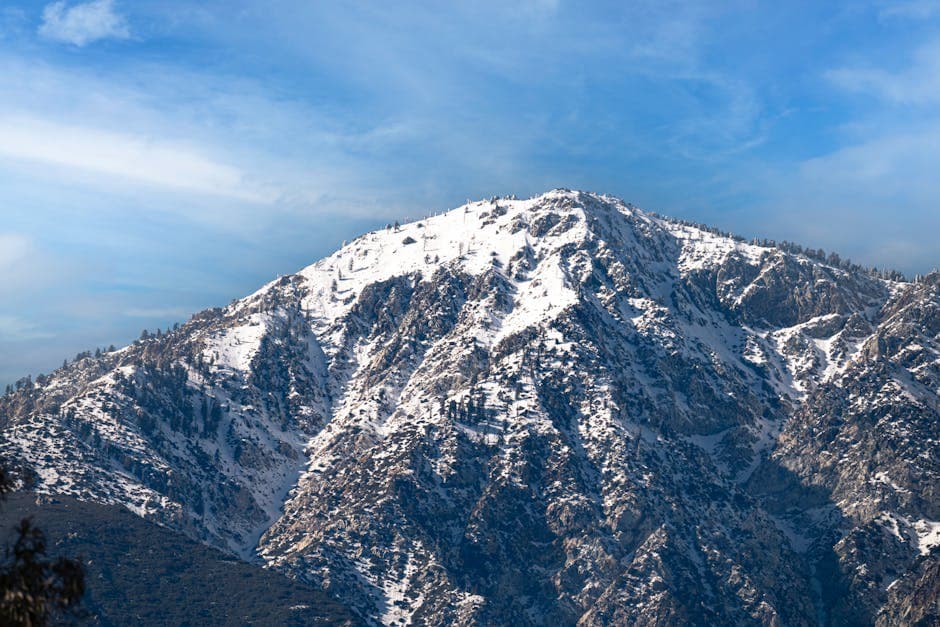
A 147 acre Main Street, a 1839 vineyard, and Route 66 through the middle of town.
A long read on Rancho Cucamonga: Victoria Gardens, the Cucamonga Valley AVA, the Sycamore Inn, the Frontier Town ghost, and the ordering stack the city's restaurants need.
City
Rancho Cucamonga, CA
~180,000 (Census 2024)
Metro
Inland Empire
~4.7M residents
Hispanic share
~37%
Census ACS 2024
Combined sales tax
8.5%
CDTFA, current
It is 6:42 on a Friday in May. The Lewis Family Playhouse house lights are about to dim. The Main Street patios are at capacity. The sky behind the San Gabriels is still pink.
The IE's premier open-air lifestyle district sits at the intersection of Foothill Boulevard, the I-15, and Day Creek Boulevard. Victoria Gardens opened in October 2004 as Forest City Realty Trust's flagship lifestyle center for the Inland Empire and remains the highest-trafficked open-air retail district in San Bernardino County. Brookfield Properties acquired Forest City in 2018 and operates the property today.
The Lewis Family Playhouse anchors a civic block on Main Street. The 565-seat municipal theatre opened in 2006 and shares its plate with the Paul A. Biane Library and Celebration Hall. The Mainstreet Theatre Company resident company runs a year-round calendar of professional and youth performing arts programming. It is the only municipally owned theatre embedded in an open-air lifestyle center in California.
Eight blocks south, on Foothill Boulevard at Haven Avenue, a couple in Alta Loma opens a Rancho taqueria's direct ordering page. Two tacos al pastor, an order of birria, a horchata, a tres leches. Pickup at 7:20, twenty-two minutes from now. They pay $26.10, all-in, no marketplace markup, no driver tip layered on top of the SB 478-mandated all-in price. The kitchen ticket prints in English. The customer side is bilingual.
Three miles east, in the historic Etiwanda neighborhood, a family places a wine-country catering inquiry through a restaurant's direct site. Thirty-person backyard birthday, 91739 delivery zip, Saturday two weeks out, asadero plus carnitas plus elote with a vegetarian option. The form auto-generates a quote and reserves the catering window in the kitchen's prep calendar.
Two miles west, an anniversary diner books a four-top at the Sycamore Inn through the restaurant's direct reservations link. The restaurant has stood at Foothill and Carnelian since 1939. The land beneath it served as a Butterfield Overland stagecoach stop in 1848, when this stretch of road was still raw and the next inn was a day's ride east in San Bernardino. The route is the same route the customer drives tonight, just paved.
Each of these is a different customer, a different geography, and a different demand pattern. They share two things. Foothill Boulevard is visible from each of their windows or off-ramps. And none of them is paying a 30 percent marketplace commission to a third party. This is what an ordering platform built for Rancho has to do.
Families spill onto Main Street between the Bass Pro Shops and the Macy's. The Lewis Family Playhouse house lights dim for the 7:00 curtain. Strollers, takeout bags, and the smell of wood-fired pizza drift up from the patio cafes.
A couple in Alta Loma opens a Rancho Cucamonga taqueria's direct ordering page. Two tacos al pastor, an order of birria, a horchata, a tres leches. Pickup at 7:20. They pay $26.10, all-in, no marketplace markup.
A family in the historic Etiwanda neighborhood places a wine-country catering inquiry for a 30-person backyard birthday. The form on the restaurant's direct site asks for the date, the head count, the menu set, and a delivery address inside the 91739 zip.
An anniversary diner books a four-top through the restaurant's direct reservations link. The route follows the original Route 66 alignment from Pomona to San Bernardino. The 1848 stagecoach stop became the Sycamore Inn in 1939.
147 acres of open-air Main Street, with a theatre at the center.
Victoria Gardens is the Inland Empire's premier outdoor lifestyle district. Macy's, JCPenney, AMC Dine-In, and Bass Pro Shops anchor a 1.5-million-square-foot grid of about 150 specialty retailers. The civic block at the center, the Lewis Family Playhouse plus the Paul A. Biane Library, is the model the lifestyle-center era never quite replicated anywhere else.
Visualization 1 of 4
Victoria Gardens: a 147-acre open-air Main Street.
Lewis Family Playhouse + AMC + Bass Pro Shops + Macy's anchors.
Forest City Realty Trust opened Victoria Gardens on October 7, 2004, as an open-air lifestyle center on a 147-acre site at Foothill Boulevard, the I-15, and Day Creek Boulevard. Brookfield Properties acquired Forest City in 2018 and operates the property today. The Lewis Family Playhouse and the Paul A. Biane Library anchor a civic block embedded in the retail Main Street grid, a model that pioneered the lifestyle-center-as-downtown approach in the Inland Empire.
Sources: City of Rancho Cucamonga; Brookfield Properties Victoria Gardens leasing fact sheet; Lewis Family Playhouse; Paul A. Biane Library. Diagrammatic block plan, not to scale. Anchor positioning approximated for clarity.
Forest City Realty Trust opened Victoria Gardens on October 7, 2004, as an open-air mixed-use lifestyle center on a 147-acre site at the intersection of Foothill Boulevard, the I-15, and Day Creek Boulevard. Brookfield Properties acquired Forest City in 2018 and operates the property today.
Source: Forest City Realty Trust / Brookfield Properties operator records
Victoria Gardens spans roughly 147 acres of mixed-use development, with about 1.5 million square feet of retail, dining, civic, and residential space organized around a walkable open-air Main Street grid.
Source: City of Rancho Cucamonga; Brookfield Properties leasing collateral
The center carries traditional department-store anchors (Macy's, JCPenney), a Bass Pro Shops outdoor anchor, an AMC Dine-In Theatres cinema, and roughly 150 specialty retailers across the Main Street grid.
Source: Brookfield Properties tenant directory
The 565-seat Lewis Family Playhouse, opened in 2006, hosts the Mainstreet Theatre Company and a year-round calendar of professional and youth performing arts programming. It is the only municipally owned theatre embedded in an open-air lifestyle center in California.
Source: City of Rancho Cucamonga Department of Community Services
The Paul A. Biane Library opened on the Victoria Gardens Main Street in 2006, integrating a public library, the Lewis Family Playhouse, and a Celebration Hall into a single civic block. It pioneered the lifestyle-center-as-downtown civic model in the Inland Empire.
Source: City of Rancho Cucamonga Library Services
Brookfield Properties leasing material cites annual visitation in the 12 million range, which places Victoria Gardens among the highest-trafficked open-air lifestyle centers in California outside of metropolitan Los Angeles and San Francisco.
Source: Brookfield Properties Victoria Gardens fact sheet
Victoria Gardens is the largest single demand driver in the Rancho Cucamonga restaurant economy. The 147-acre site sits at the city's eastern edge, immediately west of the I-15 and immediately north of Foothill Boulevard. The Main Street grid intentionally mimics a small-town civic core, with a public library, a 565-seat theatre, and a Celebration Hall built into the same plate as the Macy's anchor and the AMC cinema. The result is a destination that draws families from across the IE for an evening out, not just a shopping trip.
The implication for restaurant operators on the property and on the adjacent Foothill Boulevard pads is that demand is event-paced. Lewis Family Playhouse curtain times are predictable in advance. The Mainstreet Theatre Company schedule, the visiting Broadway tours, the family programming, and the holiday calendar all set demand peaks the restaurant can plan against. A direct ordering platform with scheduled pre-order pickup windows captures the pre-curtain dinner rush; a marketplace funnel does not.
The AMC Dine-In is a second demand driver with its own pattern. Friday and Saturday opening-weekend movie nights, family matinees, and the holiday tentpole release weekends all pull traffic onto Main Street outside the theatre's own dining footprint. Restaurants on the adjacent pads benefit from the spillover. The platform's role is to make the spillover capture clean: an SMS shortcode on the pad's signage, a QR-code-to-order on the patio, a direct page indexed for the Victoria Gardens search query.
Brookfield Properties' leasing material cites annual visitation in the 12 million range. Even discounting for the leasing-side framing, Victoria Gardens is comfortably among the highest-trafficked open-air centers in California outside of metropolitan Los Angeles and San Francisco. A restaurant operator on the property or adjacent corridor whose ordering stack does not capture that traffic share, who funnels it to DoorDash instead, is leaving meaningful margin on the table week after week.
The seventh and most operational implication is the catering channel. Victoria Gardens hosts a steady year-round calendar of civic events, corporate gatherings, library programming, and the seasonal holiday lighting. Catering inquiries arrive from city departments, from corporate tenants leasing office space adjacent to the center, and from the Lewis Family Playhouse production teams. Direct ordering's catering form, with net-15 invoicing and a corporate billing flow, fills those inquiries in a way that the marketplace catering products cannot.
Vines were planted here in 1839. The wine region is older than California statehood.
The Cucamonga Valley American Viticultural Area was federally recognized in 1995, but the vineyards predate the AVA designation by 156 years. Tiburcio Tapia planted vines at his 13,000-acre Rancho de Cucamonga land grant in 1839, eleven years before California became a state. Italian and Sicilian families scaled the industry through the late 19th and early 20th centuries. Galleano Winery, founded in 1933, still operates.
Visualization 2 of 4
Cucamonga Valley AVA: vines since 1839.
Commonly cited as the earliest commercial California wine region.
Tiburcio Tapia planted vines at Rancho de Cucamonga in 1839, anchoring what is commonly cited as the earliest commercial California wine region. Italian and Sicilian families scaled the industry through the late 19th and early 20th centuries. Galleano Winery, founded by Domenico Galleano in 1933, still operates immediately south of the city. The Cucamonga Valley American Viticultural Area was federally recognized by the ATF on April 8, 1995.
Sources: ATF Federal Register, Cucamonga Valley American Viticultural Area, 60 FR 16164, recognized April 8, 1995; San Bernardino County Museum; Galleano Winery; Joseph Filippi Winery and Vineyards; California Office of Historic Preservation, Landmark No. 490 (John Rains House). The 1839 founding claim is the standard heritage citation; some California regions (Mission grapes at Mission San Gabriel from 1771) predate commercial winemaking activity.
Tiburcio Tapia plants vines at Rancho de Cucamonga
Tiburcio Tapia, a former Mexican alcalde of Los Angeles, plants the first commercial vineyard in what is now Rancho Cucamonga at his 13,000-acre land grant. The planting is commonly cited as one of California's earliest commercial vineyards and is the historical anchor for the Cucamonga Valley American Viticultural Area.
Source: San Bernardino County Museum; California State Parks heritage records
John Rains acquires the rancho, builds the John Rains House
John Rains marries into the Tapia family, takes over Rancho de Cucamonga, and builds the John Rains House, the first burned-brick house in Southern California. The property is California Historical Landmark No. 490 and a San Bernardino County Museum-operated heritage site.
Source: California Office of Historic Preservation, Landmark No. 490
Italian and Sicilian growers scale the wine industry
Italian and Sicilian winemaking families (Vai, Galleano, Filippi, Opici, Regina) plant Zinfandel, Mission, Carignan, and Mataro grapes across the Cucamonga Plain. By the early 20th century the Cucamonga district is among the largest wine-producing regions in the United States by volume.
Source: San Bernardino County Museum; Daily Bulletin historical reporting
Galleano Winery opens in adjacent Mira Loma
Domenico Galleano founds Galleano Winery in 1933 at the western edge of the Cucamonga AVA in Mira Loma (now unincorporated Riverside County, immediately south of Rancho Cucamonga). The winery operates continuously to the present and remains the most-cited surviving Cucamonga Valley producer.
Source: Galleano Winery; ATF federal viticultural area records
Cucamonga Valley AVA federally recognized
The Bureau of Alcohol, Tobacco, Firearms and Explosives formally recognizes the Cucamonga Valley American Viticultural Area on April 8, 1995. The federal designation acknowledges the district's claim as the oldest continuously planted wine region in California, even as suburban development has reduced the planted acreage from its early 20th-century peak.
Source: ATF Federal Register, Cucamonga Valley AVA, 60 FR 16164
Heritage wineries still operate in the AVA
A handful of producers (Galleano, Joseph Filippi Winery and Vineyards, Rancho de Philo, San Antonio Winery's Cucamonga vineyard) still draw fruit from surviving Cucamonga Plain vineyards. The AVA's planted acreage is a fraction of its 1950s peak, but the heritage label remains a distinctive California marker.
Source: Joseph Filippi Winery and Vineyards; Galleano Winery; Press-Enterprise wine coverage
The Cucamonga Valley wine heritage is partly a cultural memory and partly an operating reality. Most of the 19th-century vineyard acreage was lost to suburban development between the 1950s and 2000s; the postwar planned communities (Alta Loma, Etiwanda's southern half, Terra Vista, Day Creek) sit on what was once Zinfandel, Mission, and Carignan vineyards. The surviving heritage producers, Galleano in Mira Loma, Joseph Filippi Winery and Vineyards, Rancho de Philo, and a handful of small producers, keep the AVA label alive even as planted acreage stays at a small fraction of its early 20th-century peak.
The implication for Rancho restaurants is that the heritage is a brand asset that competitors elsewhere in California cannot claim. A restaurant on Foothill Boulevard that builds a wine-pairing program around Cucamonga Valley AVA producers, with explicit menu callouts to Galleano Zinfandel or Filippi's heritage offerings, carries a story that a generic Napa or Sonoma list cannot match. The story sells. The marketplace listing strips the story out and reduces the restaurant to a four-line summary card.
The John Rains House at the corner of Vineyard Avenue and 8th Street is one of the most important preserved heritage sites in the IE. California Historical Landmark No. 490, the first burned-brick house in Southern California, and the operating center of the original Cucamonga Rancho. The San Bernardino County Museum operates it today as a public heritage site. Restaurants downstream of the museum's school-group and visitor calendar see predictable spikes around the Rains House event programming.
The wine-tasting circuit is the operational angle. The surviving Cucamonga Valley wineries draw a steady stream of weekend visitors, and the visitors stop at Rancho restaurants between tastings. A direct ordering page that maps a half-day wine route (Galleano, Filippi, Rancho de Philo) and recommends a Rancho lunch stop in between is a content angle the restaurant builds once and reaps for years. The marketplace cannot do this; the direct page can.
The fifth implication is the catering channel. Heritage producers and the small surviving cellar-door tasting rooms host events, weddings, and corporate gatherings throughout the year. Rancho restaurants that build a catering form integrated with their direct ordering platform, with the wineries on a partner list, capture the food side of the wine-event economy. The marketplace catering products are inflexible at this; the direct page is flexible.
Foothill Boulevard is the original Route 66 alignment through Cucamonga.
US Route 66 was commissioned in 1926 and ran the length of Foothill Boulevard from San Bernardino west to Pasadena before turning south to Santa Monica. The Sycamore Inn at Foothill and Carnelian, the most recognizable surviving heritage building, opened in 1939 on the site of an 1848 stagecoach stop. The road was decommissioned in 1974 but the alignment remains, marked with Historic Route 66 signage.
Visualization 3 of 4
Foothill Boulevard: Historic Route 66 through Rancho.
Commissioned 1926. Decommissioned 1974. Heritage corridor today.
US Route 66 was commissioned on November 11, 1926, and ran the length of Foothill Boulevard through Cucamonga from San Bernardino west to Pasadena and then down to Santa Monica. The original Frontier Town theme park (1962 to 1989) sat on the Route 66 alignment near the I-15. The Sycamore Inn (1939, on the site of an 1848 stagecoach stop) at Foothill and Carnelian is the most recognizable surviving roadside structure.
Sources: National Park Service Route 66 corridor planning; AAA Route 66 records; California Historic Route 66 Association; California Department of Transportation historic traffic records; City of Rancho Cucamonga historic resources inventory; Sycamore Inn historic register. Diagrammatic corridor map, not to scale.
US Route 66 is commissioned on November 11, 1926, running from Chicago to Santa Monica. The California segment from San Bernardino west to Santa Monica follows what is now Foothill Boulevard through Cucamonga, Upland, Claremont, Glendora, Azusa, and Pasadena before turning south to the coast.
Source: AAA Route 66 records; National Park Service Route 66 corridor planning
The post-World War II auto-tourism era brings the largest annual Route 66 traffic counts on record through Cucamonga. Roadside diners, motels, service stations, and citrus stands proliferate along Foothill Boulevard between Etiwanda and Vineyard avenues.
Source: California Department of Transportation historic traffic records
US Route 66 is officially decommissioned in California on June 27, 1974, after Interstate 40 and Interstate 15 replace it as the trunk auto route. The signage is removed but the Foothill Boulevard alignment through Rancho Cucamonga remains intact. The City of Rancho Cucamonga incorporates in 1977 from the three predecessor communities of Alta Loma, Cucamonga, and Etiwanda.
Source: California State Historic Preservation Office; City of Rancho Cucamonga incorporation records
Foothill Boulevard is designated Historic Route 66 in California with brown-and-white roadside signage. Several Rancho Cucamonga restaurants, motels, and citrus stands carry National Register-eligible historic structures from the 1930s to 1950s era, with the Sycamore Inn building (1939, on the site of an 1848 stagecoach stop) the most recognizable surviving example.
Source: National Park Service Route 66 corridor; California Historic Route 66 Association
The Route 66 corridor is the connective tissue of the city. Foothill Boulevard runs east-west across the full width of Rancho Cucamonga, from the western city limits at the Upland border to the eastern city limits at Etiwanda. Every neighborhood touches the boulevard. The historic Cucamonga town center at Foothill and Vineyard. The Sycamore Inn at Foothill and Carnelian. The Frontier Town site near Foothill and the I-15. Victoria Gardens at Foothill and Day Creek. The boulevard's seven-mile run through the city is the spine.
The implication for direct ordering is that the boulevard works as both an SEO axis and a foot-traffic axis. A restaurant on Foothill at any segment ranks naturally for the long-tail search foothill blvd restaurant rancho or the historic-route variant route 66 restaurant rancho cucamonga. The direct ordering page indexed against those queries outranks a marketplace listing on the local-intent surface in a way that a generic city-level page does not.
The other implication is the auto-tourism layer. Route 66 heritage tourism is a small but steady ecosystem of motorcyclists, vintage-car enthusiasts, foreign tourists doing the LA-to-Chicago drive, and school-group field trips. The Sycamore Inn, the surviving roadside signs at the Cucamonga historic core, and the Foothill Boulevard alignment itself draw a niche but reliable visitor base. Rancho restaurants with direct ordering pages that include a Route 66 callout, a heritage menu item, or a roadside-photo backdrop capture that visitor share. The marketplace listing does not surface the heritage angle.
The third implication is operational. Foothill Boulevard is the city's busiest east-west surface street outside of the I-210 freeway. Uber Direct dispatch sized for a Foothill-axis delivery radius (typically 3 to 5 miles east-west, narrower north-south) is the geometry that makes restaurant-controlled delivery work. The marketplace flat-rate model overcharges for short-haul Foothill deliveries and underpays drivers on cross-town orders. The direct dispatch lets the restaurant set the radius to its actual customer footprint.
The Sycamore Inn is the marquee heritage operator. Continuously running on the site since 1939, descended from the 1848 Butterfield Overland stagecoach stop, and one of the oldest continuously operating restaurants in the Inland Empire. A direct ordering platform sized for the kind of high-touch reservations, anniversary bookings, and prix-fixe seasonal menus the Sycamore Inn runs is a meaningfully different product than a fast-casual order-ahead flow. Both fit on the same platform; the configuration is what differs.
The ghost of a Western theme park on the Route 66 alignment.
Frontier Town opened in 1962 at the corner of Foothill Boulevard and the I-15 alignment as a Western-themed amusement park at the height of the California roadside attraction boom. It closed in 1989 as the lifestyle-center era replaced the standalone theme park. The site is now part of the modern Foothill commercial strip. The cultural memory persists; the rides do not.
Frontier Town opens at the corner of Foothill Boulevard and the I-15 alignment (then US 66) as a Western-themed amusement park developed at the height of the post-war California roadside attraction boom. The park is contemporaneous with Knott's Berry Farm, Pacific Ocean Park, and the original Magic Mountain plans.
Source: San Bernardino County Museum; Daily Bulletin historical archive
Frontier Town peaks as a regional draw for Inland Empire families. Stagecoach rides, mock gunfights, a saloon, a frontier general store, and a working blacksmith shop bring weekend traffic from across the IE and the eastern San Gabriel Valley. The park sits directly on the Route 66 alignment and benefits from auto tourism the freeway era has not yet fully replaced.
Source: Inland Valley Daily Bulletin historical reporting
Frontier Town closes in 1989 as the lifestyle-center era replaces the standalone roadside theme park. The site is redeveloped through the 1990s. The closure marks the end of the auto-tourism Route 66 era in Rancho Cucamonga; Victoria Gardens opens 15 years later as the city's next-generation Main Street destination.
Source: City of Rancho Cucamonga planning records
The Frontier Town site is one of several Foothill Boulevard parcels that has been redeveloped into modern strip retail, restaurant pads, and residential. The Route 66 historic signage along Foothill remains; the original Frontier Town infrastructure does not. The cultural memory persists in the Rancho Cucamonga Public Library archives.
Source: Rancho Cucamonga Public Library local history collection
Frontier Town is a useful historical reference for a marketing audience that thinks in customer eras. The 1962 opening was the peak of California auto tourism. The 1989 closing was the start of the lifestyle-center era that Victoria Gardens would crystallize fifteen years later. The arc from theme park to lifestyle center is the same arc the restaurant industry has run: from standalone diner to neighborhood concept to omnichannel direct ordering.
The operational lesson is about durability. Frontier Town survived 27 years before the format aged out. The Sycamore Inn has stood since 1939 and operates today, eighty-plus years later. Galleano Winery has stood since 1933 and operates today. The pattern is consistent: the operators who own their brand, their customer relationship, and their data outlive the operators who depend on a marketplace traffic source.
The direct ordering platform is the durability layer for a restaurant in Rancho today. The marketplace traffic source can be Frontier Town. The brand, the email list, the customer history, and the menu page are the Sycamore Inn. Owning the latter is what makes a restaurant a Sycamore Inn rather than a Frontier Town when the next platform shift arrives.
Alta Loma, Etiwanda, Cucamonga historic, Sycamore Inn, Sports Complex, Terra Vista.
Rancho Cucamonga incorporated in 1977 from three predecessor communities: Alta Loma to the north, Cucamonga in the center, and Etiwanda to the east. Today's six districts trace those origins. The Rancho Cucamonga Epicenter (the Quakes stadium and Sports Complex) anchors the southern half. The Sycamore Inn anchors the western Foothill corridor.
Visualization 4 of 4
Six districts of Rancho Cucamonga.
Alta Loma, Etiwanda, Sycamore Inn corridor, Cucamonga historic, Sports Complex, Terra Vista / Day Creek.
Rancho Cucamonga incorporated in 1977 from three predecessor communities: Alta Loma to the north, Cucamonga in the center, and Etiwanda to the east. Today's six districts trace those origins. Victoria Gardens sits at the eastern edge near the I-15. The Rancho Cucamonga Epicenter (Sports Complex) sits south on Rochester Avenue. The Sycamore Inn anchors the western Foothill Boulevard corridor.
Sources: City of Rancho Cucamonga General Plan; San Bernardino County Museum; Etiwanda Heritage Foundation; Rancho Cucamonga Quakes (Epicenter / Sports Complex). Diagrammatic, not to scale.
The historic Etiwanda colony was founded by the Chaffey brothers in 1882 as one of California's first planned irrigation colonies. The Chaffey-Garcia House and the Etiwanda Pacific Electric Depot are San Bernardino County heritage sites. The neighborhood retains a small-town agricultural character distinct from the rest of the city.
Source: Etiwanda Heritage Foundation; San Bernardino County Museum
Alta Loma was the northernmost of the three communities that incorporated into Rancho Cucamonga in 1977. Foothill horse-property residential, equestrian trails, and a higher median household income than the city as a whole. The local restaurant pattern leans family-casual and brunch concepts.
Source: City of Rancho Cucamonga General Plan; US Census Bureau ACS 2024
The original Cucamonga town center along Foothill Boulevard is the most Route 66 dense stretch in the city. Pre-war and mid-century commercial buildings, classic roadside signs, and the surviving historic structures from the wine-and-citrus era cluster here.
Source: City of Rancho Cucamonga historic resources inventory; California Historic Route 66 Association
The Epicenter is the city-owned stadium and sports complex that hosts the Rancho Cucamonga Quakes (Single-A affiliate of the Los Angeles Dodgers since 2011). Adjacent sports fields, the Adult Sports Complex, and tournament weekends drive predictable spikes in nearby restaurant traffic from April through September.
Source: City of Rancho Cucamonga Department of Community Services; Rancho Cucamonga Quakes (LADD affiliate)
The Sycamore Inn, built in 1939 on the site of an 1848 Butterfield Overland stagecoach stop, anchors the western Foothill Boulevard corridor. It is one of the oldest continuously operating restaurants in the Inland Empire and a National Register-eligible historic property. Adjacent restaurants on the corridor lean fine-dining and special occasion.
Source: Sycamore Inn historic register; City of Rancho Cucamonga historic resources inventory
Terra Vista and Day Creek are the master-planned residential rings around Victoria Gardens. Predominantly 1990s and 2000s construction, higher disposable income, and the highest direct-order pickup volume in the city per resident.
Source: City of Rancho Cucamonga General Plan
The district anchoring matters for direct ordering for the same reason it matters in Riverside or any other IE city: a restaurant on Etiwanda Avenue serves a different customer base than a restaurant on Day Creek Boulevard, and the direct ordering page indexed to the district outranks a generic city-level page on the local search surface. A taqueria in the Cucamonga historic core ranks for tacos foothill rancho and birria cucamonga in a way that the marketplace listing cannot.
The Rancho Cucamonga Epicenter at Rochester Avenue is the city's most consistent recurring demand driver outside of Victoria Gardens. The Rancho Cucamonga Quakes (Single-A affiliate of the Los Angeles Dodgers since 2011) run a 70-game home schedule from April through September. Each home game pulls 5,000 to 8,000 fans through the gates. Pre-game, post-game, and tournament-weekend traffic for the adjacent restaurant pads is predictable in advance. A direct ordering page with a pre-game pickup window captures that traffic share; the marketplace flattens it into the year-round funnel.
The Sycamore Inn corridor at Foothill and Carnelian is the city's heritage anchor and the highest fine-dining concentration in Rancho. The corridor leans special-occasion: anniversary dinners, prix-fixe wine pairings, holiday seatings, and Sunday family brunches. Direct ordering on this corridor is more about reservations management, dinner pre-orders, and catering inquiries than about delivery dispatch. The platform configuration is different.
Etiwanda is the district that most retains its small-town character. The Chaffey-Garcia House, the Etiwanda Pacific Electric Depot, and the surrounding agricultural-era street grid keep an identity distinct from the city's master-planned suburban core. Restaurants on Etiwanda Avenue, Etiwanda Heights, and the eastern fringe near the I-15 anchor a clientele that values that distinction. The direct ordering page that calls it out wins on it.
Bilingual ordering is not a feature. It is a baseline.
Hispanic and Latino residents are roughly 37 percent of Rancho Cucamonga. Spanish at home reaches 22 percent. The Asian American share is ~13 percent, with Chinese-American, Filipino-American, Korean-American, and Vietnamese-American residents concentrated in the Day Creek and Terra Vista master-planned rings. A bilingual ordering surface (English plus Spanish) plus a Voice AI that handles Spanish phone orders is the baseline for any Rancho restaurant operating south of Foothill or anywhere in the historic Cucamonga core.
Per US Census Bureau ACS 2024 (Rancho Cucamonga city). Compares to ~33 percent statewide and ~53 percent in Riverside city to the south. Rancho Cucamonga is more Anglo and Asian American than the IE metro average, but still well above the national Hispanic share of ~19 percent.
Per US Census Bureau ACS 2024 language-spoken-at-home tables. The single largest non-English home-language population in the city. The phone-order surface is bilingual by default for any restaurant operating south of Foothill or in the Cucamonga historic core.
Chinese-American, Filipino-American, Korean-American, and Vietnamese-American residents concentrate in the Day Creek, Terra Vista, and Alta Loma master-planned rings. The 91730 and 91737 zips carry the highest Asian-American share in the city.
Higher than the IE metro average. Rancho Cucamonga's residential pattern (master-planned suburbs from the 1980s through 2010s) produced a demographic mix closer to Orange County than to Riverside or San Bernardino. The mix is shifting toward Hispanic and Asian American with every Census release.
Rancho is more Anglo than Riverside but considerably more Hispanic and Asian American than the national average. The phone-order surface for a taqueria on Foothill at Vineyard runs heavily in Spanish. The phone-order surface for a Vietnamese pho shop in Terra Vista runs in Vietnamese and English. The phone-order surface for a Korean fried chicken concept in Day Creek runs in Korean and English. A Voice AI that handles those languages on the restaurant's phone line captures order volume that English-only IVRs lose to voicemail.
The Hispanic-Anglo split in Rancho is also a corridor split. Cucamonga historic core (Foothill at Vineyard, Archibald) leans Latino; Alta Loma, Terra Vista, and Day Creek lean Anglo-Asian-mixed. A direct ordering page that toggles language on the customer side, while the kitchen ticket stays in English, captures both customer bases on the same platform without forcing the operator to run two separate menu systems.
The Asian-American concentration in the eastern master-planned rings has implications the marketplace apps handle inconsistently. Filipino bakeries, Korean BBQ, Vietnamese pho, and Chinese-Vietnamese fusion concepts all draw a customer base that orders in their first language. The direct ordering page with multilingual checkout flow respects that surface; the marketplace listing reduces the menu to an English-only summary card that loses the nuance.
The third implication is the SB 478 all-in-pricing requirement. California's junk fee transparency law means the price the customer sees at checkout must include all mandatory fees. For a bilingual customer base, the all-in price needs to display in both languages, on both versions of the menu page, with the same exact total. The marketplace apps have been inconsistent at this. The direct ordering page is not.
AB 1228, SB 478, Prop 22, and an 8.5 percent combined sales tax.
The three California laws that reshape the Rancho P&L since 2020, plus the combined sales tax stack restaurants charge customers at checkout. State 7.25 percent base + San Bernardino County 0.25 percent district tax + City of Rancho Cucamonga 1.00 percent local tax = 8.5 percent combined.
Sets the hourly minimum at $20 for limited-service chains with 60 or more US locations. Independent Rancho Cucamonga restaurants follow the California state minimum (currently $16.50 statewide for most employers in 2026, indexed annually). The state Fast Food Council can index the chain rate annually.
Prohibits advertising a price that does not include all mandatory fees, except taxes and government fees. Restaurants must disclose service fees, packing fees, kitchen surcharges, and any other mandatory line item in the price shown at the time of ordering.
Allows Uber, DoorDash, and similar platform drivers to remain classified as independent contractors with a curated benefits floor. Sustains the Uber Direct driver pool the rest of this page depends on.
Effective rate, current per CDTFA
California state sales and use tax California Department of Tax and Fee Administration (CDTFA), statewide base | 7.25% |
San Bernardino County district transactions tax San Bernardino Associated Governments (SANBAG) Measure I, administered via CDTFA | 0.25% |
City of Rancho Cucamonga local district tax City of Rancho Cucamonga local transactions and use tax | 1.00% |
| Combined | 8.5% |
Source: California CDTFA district tax rate finder; City of Rancho Cucamonga finance. Combined rate effective for Rancho Cucamonga addresses; surrounding IE cities and unincorporated San Bernardino County addresses may differ.
Sources: California Department of Industrial Relations, Fast Food Minimum Wage Order; California Attorney General, SB 478 implementation guidance, June 2024; California Supreme Court, Castellanos v. State, S279622, July 25, 2024; California Department of Tax and Fee Administration district tax rate finder; City of Rancho Cucamonga local transactions and use tax.
How an 8.5 percent combined rate plays at checkout.
The combined 8.5 percent sales tax is competitive within California: lower than Los Angeles (9.5 percent), comparable to most San Bernardino County cities, and 0.25 percent below the City of Riverside's 8.75 percent rate. The 0.25 percent gap is small but real for a high-volume operator.
US Census Bureau ACS 2024, Rancho Cucamonga city
US Census Bureau ACS 2024
US Census Bureau ACS 2024, Riverside-San Bernardino-Ontario MSA
City of Rancho Cucamonga incorporation records (Alta Loma + Cucamonga + Etiwanda)
On a typical $25 takeout order, the 8.5 percent rate adds $2.13 in tax. On a $1,000-per-day restaurant doing 50 percent online order share, the daily tax pass-through is about $42.50, or roughly $15,500 annually. The number itself is not large for any single operator; the implication is structural. The SB 478 transparent-pricing requirement means the all-in price displayed at checkout must include the tax in the visible total. The marketplace apps have been inconsistent at this; the direct ordering page is not.
The San Bernardino County 0.25 percent layer comes from Measure I, the county-wide transportation tax administered through SANBAG. The City of Rancho Cucamonga 1.0 percent local tax funds general municipal services and pays for the Library, Lewis Family Playhouse subsidies, and the Rancho Cucamonga Sports Complex maintenance budget. The Rancho operator's customer is paying directly for the Victoria Gardens civic block they sit next to. The story is worth telling on the direct ordering page footer; the marketplace strips it out.
The third operational note is the destination-based rules. California sales tax is destination-sourced for delivery, which means a Rancho restaurant's delivery to a customer in Upland charges the Upland rate, not the Rancho rate. The platform that handles the destination calculation correctly (CDTFA's address lookup, applied per order) takes a compliance burden off the operator. The platform that flat-rates the calculation creates exposure.
How DirectOrders fits Rancho Cucamonga.
The Victoria Gardens demand engine is event-paced. Lewis Family Playhouse curtain times, AMC opening weekends, Library programming, and the Brookfield holiday calendar are scheduled in advance. A direct ordering platform with pre-order pickup windows, scheduled menu changes, and a catering channel captures that demand on the restaurant's terms. The marketplace funnel flattens the calendar into a single year-round commission curve.
The Cucamonga Valley wine heritage is a brand asset that competitors elsewhere in California cannot claim. A restaurant on Foothill that builds a wine-pairing program around Galleano, Filippi, or Rancho de Philo carries a story the marketplace strips out. The direct ordering page is the surface that surfaces it. The DoorDash listing does not.
The Route 66 corridor is the city's SEO axis and its auto-tourism axis. Direct ordering pages indexed to the Foothill Boulevard segment plus the heritage callout outrank a generic city-level listing on the local-intent surface. The Sycamore Inn corridor, the Cucamonga historic core, and the Victoria Gardens eastern anchor each carry a distinct identity the direct page reflects.
The 37 percent Hispanic population, the 13 percent Asian-American population, and the 22 percent Spanish-at-home share make bilingual ordering a baseline rather than a feature. Voice AI that handles Spanish on the restaurant's phone line, plus a bilingual customer-side menu page with the same kitchen-ticket flow, captures orders the English-only IVR drops to voicemail.
The Rancho Cucamonga Epicenter and the Quakes home schedule are the predictable secondary demand driver. A 70-game season from April through September brings 5,000 to 8,000 fans per home night through the Sports Complex. Direct ordering with a pre-game pickup window captures that share. The marketplace flattens the spike into the year-round funnel and skims 27 percent off the top.
The combined 8.5 percent sales tax is competitive within California and 0.25 percent below Riverside city. SB 478-compliant all-in pricing displayed at checkout, on a bilingual surface, with destination-sourced tax calculations, is the customer experience that respects the law and the customer. The marketplace apps are inconsistent at this; the direct page is not.
A 1839 vineyard, a 1939 stagecoach-stop restaurant, a 1962 frontier theme park, a 2004 lifestyle center, a 565-seat municipal theatre, a Single-A Dodgers affiliate, and seven miles of Route 66. Rancho has a stack. The platform that takes its orders should match it.
Where the numbers came from. Where to read more.
- US Census Bureau, ACS 2024 (Rancho Cucamonga city and IE MSA)Population, Hispanic and Latino share, language at home, median household income.
- California Department of Tax and Fee Administration (CDTFA)Combined sales tax (state 7.25% + San Bernardino County 0.25% + City 1.0% = 8.5%).
- California Department of Industrial Relations (AB 1228)Fast Food Minimum Wage Order, effective April 1, 2024.
- California Attorney General (SB 478)Junk fee transparency law implementation guidance.
- California Supreme Court, Castellanos v. State (Prop 22)Prop 22 upheld unanimously, July 25, 2024.
- ATF Cucamonga Valley AVA establishment, 60 FR 16164Cucamonga Valley American Viticultural Area federal recognition, April 8, 1995.
- Galleano Winery (founded 1933)Continuous Cucamonga Valley winery operation since 1933.
- Joseph Filippi Winery and VineyardsHeritage Cucamonga Valley AVA producer.
- California Office of Historic Preservation, Landmark No. 490John Rains House and Rancho de Cucamonga heritage designation.
- San Bernardino County Museum (Rains House heritage site)Tapia vineyard, Rains House, Cucamonga wine history operating record.
- National Park Service, Route 66 CorridorFoothill Boulevard Route 66 alignment, decommissioning, heritage corridor planning.
- City of Rancho CucamongaIncorporation history, General Plan, Victoria Gardens lifestyle center, Lewis Family Playhouse, Library Services.
- Brookfield Properties (Victoria Gardens)Victoria Gardens 147-acre lifestyle center, tenants, annual visitation.
- Lewis Family Playhouse565-seat municipal theatre and Mainstreet Theatre Company programming.
- Rancho Cucamonga Quakes (Single-A LA Dodgers affiliate)Epicenter stadium and sports complex programming.
- Sycamore Inn (1939 historic restaurant)Continuously operating Foothill Boulevard heritage restaurant on the site of an 1848 Butterfield stagecoach stop.
- Inland Valley Daily BulletinLocal daily reporting on Rancho Cucamonga, Frontier Town heritage, Cucamonga wine history.
- Riverside, CA22 mi south; IE capital and citrus origin
- Anaheim, CA38 mi west; Orange County resort corridor
- Los Angeles, CA42 mi west on the I-10
- Chula Vista, CA130 mi south; border-region restaurant economy
- Irvine, CA48 mi west; planned-city restaurant economy
- Bakersfield, CA140 mi north; agricultural-corridor metro
- Commission calculatorPlug in your DoorDash volume, see the Rancho dollar drag
- Voice AI demo (bilingual)Hear Spanish and English orders on the same phone line
- Uber Direct dispatchHow restaurant-owned dispatch beats marketplace
- Catering channelNet-15 / net-30 invoicing for Victoria Gardens and Epicenter events
- PricingFlat $249 / mo. No per-order commission. Zero.
Plant a vine on Foothill.
A 30 minute walkthrough with our Rancho implementation lead covers the corridor your restaurant sits on, the Voice AI languages your customer base needs, the Victoria Gardens or Epicenter or Sycamore Inn calendar effects to plan against, and the Uber Direct radius math for your specific kitchen address.