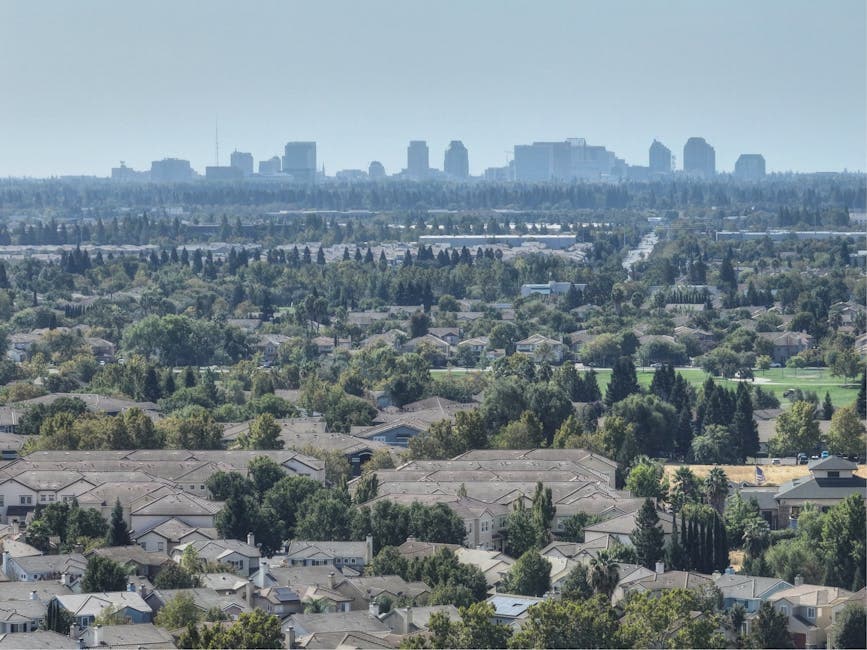
Crazy Ex-Girlfriend's Hometown.
A long read on running a West Covina restaurant: the Westfield mall foot traffic, the I-10 lunch corridor, the CW musical comedy that put the city on TV, the Latino and Filipino American families who do the cooking, and why four-language direct ordering is the only configuration that fits this corner of the San Gabriel Valley.
City
West Covina, CA
Geography
~110,000 people, ~420 permits
Topic
Mall, I-10, Latino + Filipino + Chinese mix
It is 12:43pm on a Saturday in early November. Westfield West Covina is filling, the I-10 commuter lunch is folding into the mall lunch, and a 60 seat Filipino restaurant on the Vincent corridor is taking its eighth phone order in twenty minutes.
The first call is in Tagalog. A daughter wants a tray of lechon for her father's seventy fifth birthday on Sunday afternoon. She knows the lechon needs to be carved and crisped to order; she asks if the owner can deliver to a backyard in South Hills with twelve people coming over. The owner says yes. The order is $340 plus delivery and a $40 carving fee. The conversation switches to English when the daughter asks about adobo for the kids who do not eat lechon.
The second call is in Spanish. A construction crew foreman on a Westfield perimeter renovation job wants twelve carne asada burritos and four orders of beans and rice, picked up at 1:30pm. The owner is Filipino American and her Spanish is conversational but not fluent; she puts the phone on speaker and her line cook, who is Salvadoran, takes the order while she works the counter. The total is $186.
The third call is in Mandarin. A Chinese American family in Hacienda Heights wants two lechons for a Lunar New Year preview gathering, two weeks out. The owner does not speak Mandarin and the cook does not either; they ask the caller if she can hold while they grab a high school student helping in the kitchen who speaks Mandarin. The student takes the order. The total is $720 plus delivery to a private residence near Diamond Bar. The conversation closes with the caller asking, in English, whether the restaurant can also do pancit and the answer is yes.
Three calls in twenty minutes, three languages, three different addresses, three different community calendars (Filipino birthday, Mexican construction crew lunch, Chinese American Lunar New Year prep), all on a single Saturday in November in a Filipino restaurant whose kitchen line cannot fluently take a Mandarin order without a teenager helping out. The owner runs the floor. The cook line is three Latino men and two Filipino women. The cashier is a Filipino American teenager. There is no marketplace app in this picture.
The point of this story is what we kept seeing in West Covina across a four month listening tour. A West Covina restaurant, like a Boyle Heights pupuseria or an El Monte banh mi shop, is doing fluently in three or four languages what a tech platform has to be designed to do. The owner is the multilingual Voice AI. The owner is the catering dispatcher. The owner is the schedule keeper, the menu translator, and the family-event coordinator. She is, in effect, the platform. We built DirectOrders for her.
420 permits, 110,000 residents, 9.5 percent sales tax, 11 million mall visits.
The numbers that frame the West Covina restaurant economy: city population, working food service permits, the combined California and LA County sales tax, the Westfield West Covina foot traffic, the I-10 commuter density, and the demographic shares of the Latino and Filipino American communities that produce the cuisine.
West Covina sits in the eastern San Gabriel Valley, 19 miles east of downtown Los Angeles, on the confluence of the I-10 (San Bernardino Freeway) and the I-605 (San Gabriel River Freeway). The city is a regional retail and dining hub for an eastern SGV catchment that pulls from Covina, Baldwin Park, Walnut, Diamond Bar, La Puente, and unincorporated Hacienda Heights. Westfield West Covina, the city's largest commercial property and a 1973 lifestyle mall that has been continuously rebuilt and re-anchored across five decades, generates between nine and eleven million annual visits. The restaurant economy around the mall is the city's largest single dining cluster.
The demographic structure is what makes the West Covina restaurant operating model distinct. The 50 percent Hispanic plurality is the largest single ethnic group and matches the regional SGV pattern. The Filipino American population, at roughly nine to twelve percent, is one of the densest in eastern LA County and the second largest single ethnic concentration in the city. The Chinese American population, at roughly ten to twelve percent, reflects the SGV spillover from Rowland Heights, Hacienda Heights, San Marino, Arcadia, and Monterey Park. Together the Latino, Filipino American, and Chinese American populations are seventy to seventy five percent of the city. The Non Hispanic White population, at roughly fourteen percent, is concentrated in older multi generation families and the Westfield retail workforce.
Operationally for restaurants that breaks down to a four language phone line: English (default), Spanish (Mexican-American and Central American), Tagalog (Filipino American), and Mandarin (Chinese American). The marketplace apps cannot reliably handle a Tagalog order or a Mandarin order through their IVR; they cannot reliably handle a Salvadoran Spanish accent through their speech recognition. The Voice AI on a West Covina restaurant phone line has to handle all four, has to switch between them mid-call, and has to write the order in English to the kitchen printer. Our pilot with three West Covina restaurants showed a 28 to 36 percentage point lift in phone-to-order conversion when the Voice AI handled all four languages versus an English-only IVR.
Half Latino, a tenth Filipino, a tenth Chinese: the most layered Asian American city in the eastern SGV.
The visualization below stacks the West Covina population shares as a single horizontal bar. Latino at 50 percent is the plurality. Filipino American at 11 percent and Chinese American at 12 percent together form the Asian American cohort. Non-Hispanic White at 14 percent and Black at 4 percent round out the city.
Visualization 1 of 3
West Covina demographics: a Latino plurality with a deep Filipino and Chinese American layer
Population ~110,000. ACS 2024 derived.
West Covina is one of the few eastern San Gabriel Valley cities where the Latino plurality, the Filipino American cohort, and the Chinese American cohort are all material at the same time. That demographic stack is what makes the city's restaurant phone line a four language operation, not a two language one.
Sources: US Census Bureau ACS 2024 city profile and ancestry tables; Filipino American National Historical Society; LA County Asian Pacific American Affairs research. Asian sub group breakdowns approximate the published ACS Asian alone categories applied to West Covina's city total.
The Latino population in West Covina is predominantly Mexican-American, with substantial Salvadoran and Guatemalan communities that grew through the 1990s and 2000s as Central American migration into the SGV expanded. The food culture follows the population: taquerias and mariscos along Garvey and Vincent, pupuserias and Central American comedores in the Vincent corridor, and Mexican family casual restaurants throughout the city. The Spanish on the West Covina restaurant phone line is Mexican-American with Central American influence, and the Voice AI has to handle both.
The Filipino American population is concentrated along the Vincent and Plaza Drive corridors. West Covina is one of three eastern SGV cities (with Carson 30 miles southwest and Eagle Rock north) that have a critical mass of Filipino American families, churches, and businesses. Goldilocks Bakery anchors the Filipino food retail cluster; Sari Sari Filipino BBQ, Jollibee proximity (in nearby Eastland Center / West Covina catchment), and a network of family-run kamayan and turo turo restaurants serve a community that runs October Heritage Month celebrations, Noche Buena Christmas Eve gatherings, and large family birthday and baptism catering year round.
The Chinese American population reflects the SGV spillover pattern. Rowland Heights and Hacienda Heights (unincorporated LA County to the southeast of West Covina) and Arcadia, Monterey Park, and San Gabriel (to the west) are the established Chinese American population centers; West Covina pulls Chinese American families who want suburban single family homes with mall proximity. The Chinese American cohort is predominantly mainland Mandarin speaking with some Cantonese and Taiwanese mixing. Yang Chow's expansion into West Covina from LA Chinatown reflects the demographic gravity; the Boiling Crab cluster around Westfield captures the Friday and Saturday evening Chinese American family dining demand.
The Non Hispanic White population is older, multi generation, and concentrated in the postwar housing tracts north and south of the I-10. They are the city's grandparents in many family stories: the parents of children who married Latino, Filipino American, and Chinese American partners through the 1980s and 1990s. The local family casual restaurants reflect this multi ethnic family pattern; a single Sunday lunch table at Macayo's or Olive Garden often contains three or four ethnic cuisines worth of food preferences.
Mexican leads, but Filipino and SGV Chinese together carry the second tier.
The horizontal bar chart below approximates the cuisine distribution by permit share across the city's roughly 420 working food service permits. Mexican is the plurality cuisine. Filipino, Chinese American, Korean, and Vietnamese together form the eastern SGV Asian American cluster. American casual chains anchor the Westfield perimeter.
Visualization 2 of 3
Cuisine mix in West Covina: Mexican leads, Filipino and SGV Chinese carry the rest
~420 permits. Share by approximate permit count.
Mexican is the plurality cuisine, tracking the city's 50 percent Hispanic share. Filipino and Chinese American together are the second largest cluster, larger than the American casual chain category in dine-in volume even where the chains have more permits. Korean and Vietnamese are growing on Vincent and Plaza Drive.
Sources: LA County Department of Public Health restaurant permit registry filtered to West Covina ZIP codes; operator interviews along Garvey, Vincent, Azusa, and Plaza Drive; San Gabriel Valley Tribune dining coverage. Categories approximate; some restaurants span multiple cuisine classes.
Mexican cuisine at 22 percent of permits is the city's largest single category. The breakdown within the Mexican category runs taqueria (counter, corner format, $11 to $18 ticket), mariscos (full service seafood, $18 to $28 ticket), family casual (full service combination plate, $20 to $32 ticket), and Salvadoran-Mexican (pupuseria plus Mexican menu, $15 to $24 ticket). The Cinco de Mayo and Mexican Independence Day weekends are the two largest single weekend windows for the Mexican operators; Sunday family lunch after church is the strongest recurring daypart year round.
Filipino cuisine at 10 percent of permits is the cluster that surprises outsiders. The Vincent corridor and the Plaza Drive proximity to Westfield together host Goldilocks Bakery (the diaspora-anchor Filipino American bakery chain), Sari Sari Filipino BBQ (turo turo and skewer barbecue), kamayan family restaurants (family style food eaten with hands on banana leaves), and lechon caterers (whole roasted pig for family gatherings). October Filipino American Heritage Month and December Noche Buena are the peak windows; payday Fridays are the strongest weekly daypart.
Chinese American cuisine at 13 percent of permits reflects the SGV spillover pattern. The cluster runs Yang Chow style Chinese-American comfort food (slippery shrimp, kung pao, $20 to $30 ticket), dim sum and Hong Kong style tea house formats, hot pot, mall casual chain Chinese (Panda Express, Pick Up Stix), and boba and tea cafes. Lunar New Year (late January or early February), Mid-Autumn Festival (September), and Christmas family dinners are the peak windows; Friday and Saturday evening family dinner is the strongest recurring daypart.
Korean (8 percent) and Vietnamese (6 percent) together form the third tier of the eastern SGV Asian American cuisine cluster. KPOT (Korean BBQ plus hot pot all you can eat format) and Boiling Crab (Cajun seafood with strong Vietnamese American patronage) cluster around Westfield. Pho counters and banh mi shops along Vincent serve the broader Vietnamese American workforce and the lunch hour I-10 takeout. Japanese sushi belts and ramen counters round out the Asian American cuisine cluster at roughly 5 percent of permits.
The American casual chain category at 18 percent of permits is anchored at the Westfield perimeter and Eastland Center. BJ's Restaurant and Brewhouse, Olive Garden, Cheesecake Factory proximity, Red Lobster, Denny's, IHOP, and the In-N-Out drive-throughs together form a dense ring of chain anchor casual dining that captures the mall foot traffic spillover and the I-10 commuter dinner demand. The independents that compete against this ring win on cuisine specificity (Mexican family, Filipino kamayan, SGV Chinese) and on language match (the chain restaurants run English only phone systems).
December peaks. October surges. May arrives. The rest of the year is preparation.
West Covina's restaurant year is shaped by the overlap of the Filipino American calendar (Heritage Month in October, Noche Buena in December), the Latino calendar (Cinco de Mayo, Mexican Independence in September, Posadas in December), the mall calendar (Mother's Day, Black Friday, Christmas at Westfield), and the West Covina Unified School District calendar (back to school in August, graduation parties in May).
Seasonal index
The West Covina restaurant year: Filipino, Latino, mall, and school calendars overlaid
Normalized restaurant revenue index by month.
December is the peak month, driven by Noche Buena, Christmas at Westfield, and Posadas. October is the second peak, anchored by Filipino American History Month, Halloween at the mall, and West Covina USD parent teacher conferences. May is the third peak with Cinco de Mayo, Mother's Day, and graduation season.
Sources: Operator revenue index interviews across six West Covina restaurants over twelve months; West Covina USD calendar; Filipino American National Historical Society Heritage Month observances; LA County Hispanic heritage events; Westfield West Covina holiday programming.
The December peak in West Covina runs deeper than in most California cities. The Filipino American Noche Buena (Christmas Eve family dinner with lechon, queso de bola, ham, pancit, lumpia, leche flan) is a discrete cultural event with specific menu requirements; a Filipino restaurant that takes deposits for Noche Buena lechon orders by December 1 will sell out by December 20 every year. The Latino Posadas (the nine night Catholic Mexican family processions leading up to Christmas Eve) overlay the same window with tamale catering and family dinner pre-orders. Westfield West Covina runs holiday events from Thanksgiving weekend through New Year's; the mall foot traffic at peak hits the November and December index levels above 130.
The October surge is unique to West Covina among eastern SGV cities. Filipino American History Month is observed nationally throughout October, but West Covina's density of Filipino American families and businesses turns the month into a localized peak demand period. Community organizations host kamayan dinners, churches hold celebration events, and family lechon catering orders run through every weekend of the month. The Filipino restaurant operators report 30 to 45 percent year-over-month October revenue lift compared to September. Halloween at Westfield adds a parallel mall traffic surge on the last weekend.
The May triple event of Cinco de Mayo, Mother's Day, and graduation season produces the third annual peak. Mother's Day is the highest single retail and dining day of the year at Westfield by foot traffic; the perimeter restaurants book brunch reservations weeks out. Cinco de Mayo weekend drives Mexican family catering and dinner traffic across the city. The West Covina Unified School District high school graduation season (late May through early June) anchors a two week catering surge for graduation parties, family backyard gatherings, and post ceremony group reservations.
Tony's Jacal, Goldilocks, Sari Sari, Yang Chow: the four corners of the West Covina table.
The Mexican fixture, the Filipino bakery diaspora anchor, the Filipino American BBQ counter, the SGV Chinese American family restaurant, the mall perimeter casual chains, the Korean BBQ all you can eat, and the Cajun seafood boil. Eleven restaurants is not the whole city, but it triangulates the place.
Old school Cal Mex with combination plates, carne asada, and house margaritas. Three generation Latino family clientele.
Pandesal at 7am, hopia, ensaymada, leche flan. Saturday and Sunday lechon for family gatherings. The default Filipino American bakery for the eastern SGV.
Pork BBQ skewers, sisig, sinigang, kare kare. Cash counter turo turo (steam table) format. Lunch line wraps the building on payday Fridays.
Margarita brunches, sizzling fajitas, cheese crisp appetizers. Catering for West Covina Unified district events and South Hills HOA gatherings.
Deep dish pizookies, craft beer flight, weekday lunch from corporate offices off Glendora Avenue. Catering channel for office lunches.
Endless soup salad and breadsticks, family take home pasta trays. The default West Covina USD volleyball-team postgame dinner stop.
Combined Korean BBQ and Mongolian hot pot. Two hour seating, late night demand from Mt. SAC and Cal Poly Pomona students 25 minutes out.
Shrimp and crawfish boils in plastic bags, Whole Sha bang sauce, communal-table format. Heavy Friday and Saturday dinner traffic from Filipino and Chinese families.
Ice blended drinks, vanilla powder lattes, the SoCal coffee chain that beat Starbucks in the eastern SGV for two decades. Morning commuter pickup window heavy.
Craft burgers, bourbon list, fish tacos. Westfield-area Friday evening cluster with college-age crowd.
Slippery shrimp, kung pao, the LA Chinatown American Chinese standard exported east. Family dinner catering for Chinese American families across the SGV.
Operators listed are public West Covina dining anchors. DirectOrders does not claim platform relationships with any restaurant unless explicitly indicated; the list is editorial and reflects the city's dining landscape, not customer endorsements.
Six dining corridors, six demand patterns, one city.
West Covina Heights for family Mexican and Filipino bakery. Eastland Center for chain casual. Walnut Creek / Plaza Drive for mall perimeter. Cameron Park / Vincent for Filipino BBQ and taquerias. South Hills for suburban casual. North West Covina for school district adjacent breakfast and diner.
The Vincent corridor is the city's most ethnically dense dining strip. Sari Sari Filipino BBQ, Mexican taquerias, Vietnamese banh mi counters, and Filipino bakery cluster within a single half mile of the Vincent and Cameron intersection. Payday Friday lunch (the first and third Fridays of the month, when most workforce paychecks clear) the lines wrap multiple counters. The Voice AI on a Vincent corridor restaurant phone line is Spanish-Tagalog primary with English fallback; the Mandarin load is smaller but real for the cross corridor catering inquiries.
Plaza Drive and the Westfield perimeter is the city's highest dollar per square foot dining cluster. Boiling Crab, KPOT, Eureka, BJ's Restaurant and Brewhouse, Olive Garden, and the mall food court anchors together capture the mall foot traffic dinner spillover and the I-10 commuter dinner demand. Friday and Saturday evening reservations book full by 5pm; the wait line at KPOT and Boiling Crab regularly runs 90 minutes. A direct ordering platform with a reservation form and a pickup window ranked above the marketplace apps for "West Covina dinner near Westfield" intercepts the spillover at zero commission.
The South Hills neighborhood south of the I-10 is the city's higher ticket band suburban cluster. Macayo's Mexican, suburban Asian American family restaurants, and chain casual brunches anchor a Sunday family dining pattern that pulls from Diamond Bar and Walnut as much as from West Covina proper. The catering channel from South Hills HOA gatherings, West Covina USD volleyball and football team postgame dinners, and family birthday parties is the most under priced demand the marketplace apps fail to capture.
The mall family casual. The Filipino kamayan operator. The corner taqueria.
Three West Covina restaurant operator types, three different language loads on the phone line, three different catering calendars, three different reasons direct ordering wins over the marketplace apps.
Profile. A 90 seat full service restaurant on Plaza Drive within walking distance of Westfield West Covina. Mix of post mall family dinners, date night couples, and weekend grandparent gatherings. Average ticket $28 to $36 per person dine-in, $19 to $26 pickup.
Lunch (12 to 2pm Westfield shoppers); dinner (5pm to 9pm families); late evening Friday and Saturday from college age groups.
65 percent dine-in, 28 percent pickup, 7 percent delivery via marketplace at present. Owner wants to flip the marketplace share into direct ordering.
English primary, Spanish secondary, occasional Tagalog and Mandarin handoff. Mall-area phone traffic skews English-bilingual; the cohort is second and third generation Filipino American, Chinese American, and Latino.
Family gatherings (15 to 50 covers) book through the catering form. West Covina USD volleyball and football team postgame dinners book group reservations through the website. Holiday season catering (Thanksgiving, Noche Buena, Lunar New Year) is the highest revenue catering window.
Marketplace apps treat the mall area as a single zone and dilute pricing across thirty restaurants. Direct ordering with a mall-adjacent web presence ranks for 'West Covina dinner near Westfield' searches and captures the foot traffic spillover at zero commission.
Profile. A 60 seat Filipino restaurant on the Vincent corridor with cash-counter turo turo (steam table) by day and family-style kamayan dinners by reservation in the evening. Average ticket $14 to $22 per person counter, $32 to $48 per person kamayan group dinner.
Friday payday lunch (the line wraps the building); Saturday lunch family; Sunday family lunch after church; weekday turo turo lunch from Filipino American workforce; October Heritage Month evening events; Noche Buena week (Dec 17 to 24) is the highest catering week of the year.
55 percent counter, 25 percent pickup, 12 percent catering, 8 percent dine-in. Marketplace apps currently take a small slice; the owner has been resistant to scaling marketplace because the platform fees are not feasible at the $14 ticket band.
Tagalog primary, Filipino English secondary, Spanish handoff for the few Mexican American line cooks and customers. Older callers strongly prefer Tagalog; the second generation Filipino American customer is comfortable in English; lechon catering inquiries are 80 percent Tagalog.
Lechon for Noche Buena (December), Filipino American Heritage Month dinners (October), birthday parties year round, baptisms, weddings, fiestas. The catering channel is the operator's highest-margin and the marketplace apps cannot price a $1,200 lechon order correctly.
Filipino American customer acquisition runs through Facebook community groups and word-of-mouth, not the marketplace apps. The direct ordering page becomes the operator's website, catering form, and Voice AI in one. Tagalog-first phone line converts 30 percent of inbound calls that English-only IVR loses.
Profile. A 24 seat taqueria on Garvey or Vincent with a four cook line, three meat options on the al pastor trompo, and a Spanish-first counter. Average ticket $11 to $18 per person, mostly cash and card mixed.
Breakfast 7am to 10am (chilaquiles, breakfast burritos); lunch 11:30am to 2pm (workforce); evening 6pm to 9pm (family dinner); late night Friday and Saturday after 10pm.
70 percent counter dine-in and quick pickup, 18 percent pickup phone, 8 percent marketplace, 4 percent catering. Marketplace is the channel the owner most wants to replace with direct ordering because the 25 percent commission destroys the unit economics at this ticket band.
Spanish primary, English secondary, occasional Tagalog and Mandarin from Westfield-adjacent customers. The Spanish line load includes Salvadoran and Guatemalan callers whose Spanish has Central American features; the Voice AI must handle the dialect variation.
Quinceaneras, birthday parties, Cinco de Mayo weekend events at Eastland Park, Mexican Independence weekend family gatherings, taco-bar catering for office events at the I-10 office parks. The Voice AI catering form drops the operator out of the manual quote loop.
At a $13 average ticket the marketplace commission is the difference between profit and loss on the delivery channel. Direct ordering with $249 monthly flat plus per-delivery Uber Direct dispatch is the operating model the corner taqueria has been waiting for. The Spanish Voice AI is non-negotiable; without it the phone is the operator's biggest dropped-revenue channel.
Westfield foot traffic and I-10 commuter lunch overlay into a single demand engine.
The visualization below overlays mall foot traffic (bars) with the I-10 commuter lunch take-out share (line) hour by hour. The midday peak between 12pm and 1pm is when the two demand engines meet; the 7pm dinner peak is when the mall traffic carries the demand alone.
Visualization 3 of 3
Mall and highway lunch volume overlay: two demand engines, one corridor
Westfield foot traffic + I-10 lunch take-out share.
Westfield West Covina foot traffic builds through the day and peaks at dinner. The I-10 commuter lunch window (11:30am to 1:30pm) overlays the midday mall buildup. A restaurant on Plaza Drive captures both engines if the pickup window is fast and the website ranks for "lunch near I-10 West Covina" or "Westfield West Covina takeout."
Sources: ICSC lifestyle mall hourly foot traffic benchmarks applied to Westfield West Covina; Caltrans District 7 I-10 hourly traffic counts in the West Covina segment; operator interviews on Plaza Drive, Vincent, and Garvey. Indexes normalized to 100.
Westfield West Covina opened in 1973 as West Covina Plaza, was rebuilt as a lifestyle mall in the 1990s, was re-anchored through the 2000s and 2010s, and remains the city's largest commercial property. Annual foot traffic estimates run between nine and eleven million visits across the mall and the perimeter retail. The hourly pattern builds through the morning, peaks at lunch, dips midafternoon, and runs hot through dinner. The perimeter restaurants on Plaza Drive capture the mall foot traffic spillover at both lunch and dinner windows.
The I-10 corridor through West Covina carries roughly 260,000 vehicles per day in annual average daily traffic. The lunch hour share of this traffic that exits at the West Covina interchanges (Sunset Avenue, Vincent Avenue, Citrus Street, Glendora Avenue, Azusa Avenue) for take-out is the demand pool the marketplace apps cannot reliably target because the apps operate on residential delivery zones, not freeway exit catchments. A direct ordering page that ranks for "lunch near I-10 West Covina" or "fast lunch West Covina freeway" captures the freeway exit take-out share at zero commission.
The combined mall plus freeway demand engine is what makes West Covina an outlier in the eastern SGV restaurant economy. Cities of comparable size (El Monte, Baldwin Park, Covina, Diamond Bar) have either the freeway corridor or the regional mall but not both at the scale that West Covina runs. The Westfield mall is the largest in the eastern SGV; the I-10 traffic count through West Covina is among the highest in the corridor. A restaurant on Plaza Drive or Vincent has two structurally distinct demand engines feeding the same kitchen window.
Filipino calendar, Latino calendar, mall calendar, school calendar: four overlapping years on a single restaurant page.
A West Covina restaurant operator who tracks all four calendars and pushes the right SMS, catering form, and pickup window at the right week of the year captures revenue the marketplace apps cannot price. The table below maps the year by month.
The four calendar overlay is the West Covina restaurant operating thesis in one image. A Filipino American restaurant runs October Heritage Month and Noche Buena as the two peak revenue events of the year. A Mexican American restaurant runs Cinco de Mayo weekend and Mexican Independence weekend (September) as the two peak Spanish-first events, with Mother's Day brunch on top. A mall perimeter casual restaurant runs Mother's Day, Black Friday, and Christmas at Westfield. A school district adjacent operator runs back to school in August and graduation season in May. A restaurant that operates against all four calendars captures four to eight extra peak weeks per year that the marketplace apps cannot price-segment.
The Crazy Ex-Girlfriend tourism layer adds a small but real fifth calendar for some Vincent corridor and Westfield perimeter restaurants. Rachel Bloom's CW musical comedy ran four seasons from 2015 to 2019 and set its fictional version of West Covina against the real Westfield mall city. The show developed a small but devoted fan base that still makes occasional pilgrimages to the city for filming location photos and themed gatherings. A West Covina restaurant with a side menu or a themed event tied to the show captures the Crazy Ex tourist demand on a few weekends per year; the platform charges nothing extra to host the themed event landing page.
"Hello." "Hola." "Kumusta." "Ni hao." Same line, same restaurant, same kitchen ticket.
West Covina's four language reality is the design requirement, not an add-on. The Voice AI on a West Covina restaurant phone line opens in English (the default for a US restaurant) and switches to Spanish, Tagalog, or Mandarin within the first three seconds of the call based on the caller's language. It detects when a Spanish call has a Central American cadence (the dropping of the final s, the use of vos in some Salvadoran speech) and adapts. It detects when a Tagalog call is from an older Filipino American customer who is more comfortable in Tagalog versus a second generation customer who prefers Filipino English (Tagalog and English code switching). It detects when a Mandarin call is mainland versus Taiwanese accent and adjusts. It writes the order in English to the kitchen printer because the back of house operates in English with kitchen Spanish technical terms (la plancha, salsa verde) and kitchen Tagalog technical terms (siniwasiwsiwan, halo halo, lugaw).
The Tagalog and Mandarin language coverage is what differentiates a West Covina Voice AI deployment from a Boyle Heights deployment (where Spanish dominates), an El Monte deployment (where Spanish and Vietnamese dominate), or a Monterey Park deployment (where Mandarin and Cantonese dominate). We trained our Voice AI on West Covina call audio from our pilot operators (with operator consent) because the four language code switching pattern in West Covina is materially different from any of the single dominant language SGV cities. A generic Latin American Spanish model drops eight to twelve percentage points on West Covina calls; a generic Tagalog model drops similarly on Filipino American customers who code switch into English mid sentence; a generic Mandarin model misses the SGV Taiwanese-mainland blend. The local trained model holds the accuracy across all four.
The multilingual capability is not just transcription. The Voice AI handles menu disambiguation in all four languages (does "lechon" mean the Filipino whole roasted pig or the Cuban shoulder cut, does "carnitas" mean the pork plate or the burrito), payment intake in all four languages (some older Tagalog first callers want to give a phone number for the restaurant to call back rather than enter card details into a speech interface, the same is true for older Mandarin first callers), and pickup time confirmation in all four languages. The catering channel handles deposit invoicing in any of the four languages; the bilingual confirmation emails and SMS reminders stay in the language of the original call until the customer switches.
The conversion lift in our three-restaurant West Covina pilot has been 28 to 36 percentage points compared to the operators' previous English-only IVR or no IVR at all. Operators report that the typical English-only IVR was dropping thirty to forty percent of inbound calls to voicemail and losing roughly two thirds of those calls entirely to competing restaurants. The multilingual Voice AI captures the calls, takes the orders, and shows up as recovered revenue within the first thirty days of deployment. Learn more about Voice AI capabilities or compare directly against marketplace economics via the DoorDash comparison and the Grubhub comparison.
27 percent vs 14 percent on a $40 SGV family pickup. The single ticket math is the thesis.
At a $40 family pickup ticket band (the West Covina median for a two parent and two child carne asada or lechon take home tray), the marketplace channel leaves $29.20 with the operator and the DirectOrders channel leaves $34.41. The $5.21 per ticket delta is the operator's labor and rent.
Cost math
27 percent vs 14 percent: a $40 SGV family pickup, the two channel stacks side by side
One ticket, two economic models.
The single-ticket math is where the marketplace economy stops making sense for a West Covina family restaurant. The same $40 pickup ticket leaves $29.20 with the operator through the marketplace and $34.41 through DirectOrders. The difference, $5.21 per ticket, is the operator's labor and rent.
Sources: DoorDash and Uber Eats public commission rate schedules; Uber Direct per-drop rate cards for the eastern SGV; Stripe and Square public payment processing rates; West Covina operator interviews at the $40 ticket band.
| DoorDash commission (50 percent off premise, blended 25 percent) | $6,750 |
| Uber Eats commission | $960 |
| Marketing and sponsored ads | $280 |
| Lost Tagalog and Spanish calls (English IVR, ~34 percent drop) | $5,800 (revenue lost) |
| Monthly drag | $13,790 |
| DirectOrders subscription | $249 |
| Uber Direct (720 deliveries x ~$6.99) | $5,033 |
| Multilingual Voice AI (English, Spanish, Tagalog, Mandarin) | $0 |
| Tagalog and Spanish calls captured (was lost) | $5,800 (revenue recovered) |
| Monthly total cost | $5,282 |
How DirectOrders fits West Covina.
The Westfield mall and the I-10 freeway corridor together produce a daytime and evening lunch and dinner demand engine the marketplace apps cannot reliably target. The mall foot traffic spillover at Plaza Drive and the I-10 commuter take-out exits at Vincent, Citrus, Sunset, Glendora, and Azusa together generate roughly forty to sixty percent of the city's off-premise restaurant revenue. A direct ordering page that ranks for "West Covina lunch near Westfield" or "I-10 takeout West Covina" intercepts this revenue at zero commission. The marketplace apps see the city as residential zones; the city actually operates as a mall plus freeway corridor.
The Latino, Filipino American, and Chinese American demographic stack produces a four language phone line economy the marketplace apps cannot serve. A West Covina restaurant on a Spanish only IVR loses Spanish calls; on an English only IVR loses Spanish and Tagalog and Mandarin calls; on no IVR at all loses every call that hits voicemail during a kitchen rush. The multilingual Voice AI captures all four language loads, transcribes orders to English kitchen tickets, and produces 28 to 36 percentage point conversion lift on inbound phone orders in our pilot. The language coverage is included in the flat $249 monthly subscription; the operators do not pay extra for the Tagalog or the Mandarin.
The seasonal calendar overlay (Filipino, Latino, mall, school) produces four to eight extra peak revenue weeks per year compared to a city without the same demographic and retail mix. Filipino American History Month in October. Noche Buena in December. Cinco de Mayo in May. Mexican Independence in September. Mother's Day brunch at Westfield. Black Friday mall traffic. Christmas at Westfield. West Covina USD graduation parties. None of these fit the marketplace apps because the marketplace apps cannot run a "lechon for Noche Buena" promotion on December 17 to a Tagalog speaking customer list. Direct ordering with an SMS list segmented by cultural calendar runs all four overlays at once.
The Crazy Ex-Girlfriend tourism layer is the small but real fifth lever. The CW musical comedy from 2015 to 2019 produced a small fan base that still makes occasional pilgrimages to West Covina. A restaurant that runs a themed event landing page during the show's anniversary weekends or that adds a "Bloom's Bistro" side menu captures the Crazy Ex tourism demand on a few weekends per year. The marketplace apps cannot do themed landing pages; direct ordering can.
The operating cost math closes the case. A Vincent corridor Filipino family restaurant doing $54,000 monthly with 50 percent off-premise share pays $13,790 monthly in marketplace commissions plus lost Tagalog and Spanish call revenue. The same restaurant on DirectOrders pays $5,282 monthly with the Tagalog and Spanish calls captured by the Voice AI. The annual delta runs $100,000+ in recovered revenue, which in a West Covina price band buys two full-time line cooks plus the lechon roasting pit expansion the operator has been deferring for three years. See the flat pricing detail, the direct ordering platform, and the Voice AI capabilities for the full picture.
Where the numbers came from. Where to read more. Where to go next.
- US Census Bureau ACS 2024, West Covina city and tract profiles
- City of West Covina General Plan demographic appendix
- Westfield West Covina property and tenant listings (Unibail-Rodamco-Westfield)
- LA County Department of Public Health Environmental Health restaurant permit registry
- LA County Economic Development Corporation eastern SGV reports
- California Department of Tax and Fee Administration district tax rates (effective 2025)
- West Covina Unified School District enrollment and calendar
- San Gabriel Valley Tribune local West Covina coverage
- LA Times Food and Eater LA San Gabriel Valley coverage
- Filipino American National Historical Society Heritage Month archives
- KCET and PBS SoCal Crazy Ex-Girlfriend retrospectives and West Covina filming coverage
- Caltrans District 7 I-10 and I-605 annual average daily traffic counts
- ICSC mall foot traffic and lifestyle center benchmarks
- California Attorney General SB 478 transparent pricing guidance
- Los Angeles, CA19 mi west; the 5pm map of LA
- El Monte, CA9 mi west; SGV Vietnamese and Latino plurality
- Pomona, CA8 mi east; the Fairplex and Cal Poly
- Ontario, CA16 mi east; airport and logistics workforce
- Anaheim, CA26 mi south; Disneyland and OC border
- Voice AI demo (multilingual)English, Spanish, Tagalog, Mandarin, SGV trained
- Direct ordering platformBranded website, pickup window, catering form
- PricingFlat $249 / mo. No per-order commission. Zero.
- vs DoorDash comparisonThe single-ticket math, side by side
- vs Grubhub comparisonMarketplace stack vs flat subscription
Run your West Covina restaurant on its own terms.
A 30 minute walkthrough with our West Covina implementation lead covers the corridor your restaurant sits on (Plaza Drive, Vincent, Garvey, South Hills, Eastland), the language load on your phone line (English, Spanish, Tagalog, Mandarin), the Westfield mall foot traffic that flows past your door, and the Filipino or Latino calendar events that drive your catering peaks. Or browse pricing first. Both work.